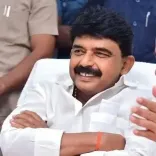
Piyush Goyal Pays Tribute to Ahilyabai Holkar on Birth Anniversary
Synopsis
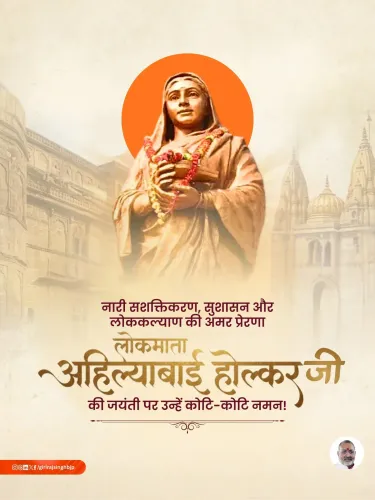
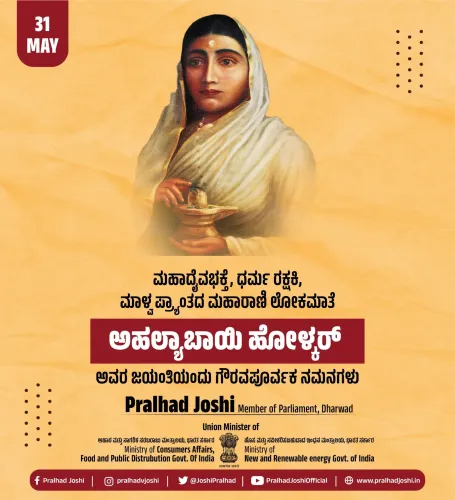
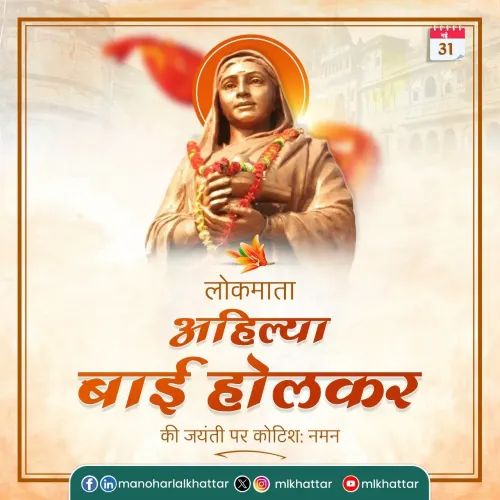
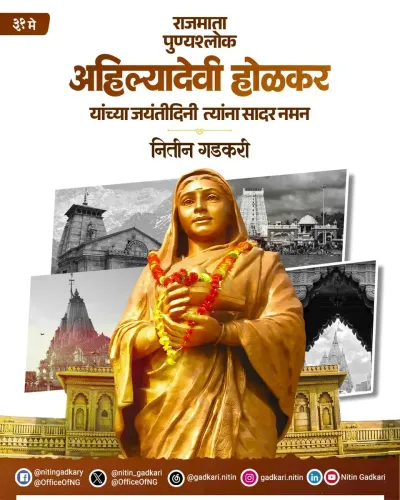
Union Commerce Minister Piyush Goyal on 31 May 2026 paid tribute to 18th-century Malwa queen Ahilyabai Holkar on her birth anniversary, honouring her legacy of temple patronage, social welfare, and just governance that continues to inspire India.
Key Takeaways
Union Commerce Minister Piyush Goyal paid tribute to Ahilyabai Holkar on her birth anniversary on 31 May 2026 .
Goyal described her as an 'unparalleled symbol of sacrifice, service, justice, dignity, and good governance.' Ahilyabai Holkar was an 18th-century queen of the Malwa kingdom renowned for temple construction and public welfare across India.
She patronised the reconstruction of the Kashi Vishwanath Temple in Varanasi , among many other shrines nationwide.
The tribute was posted in Marathi , signalling cultural outreach to Maharashtra.
The post fits a broader BJP pattern of commemorating pre-colonial rulers associated with temple patronage and good governance.
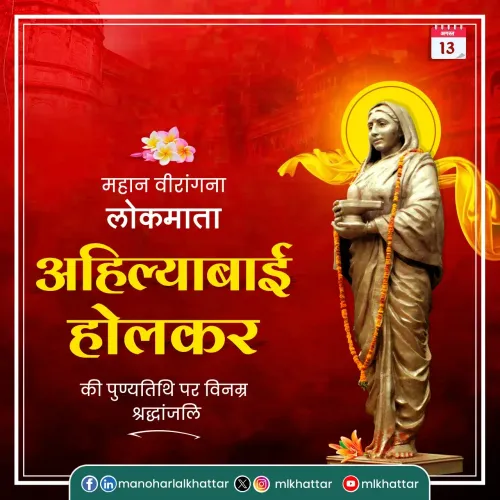
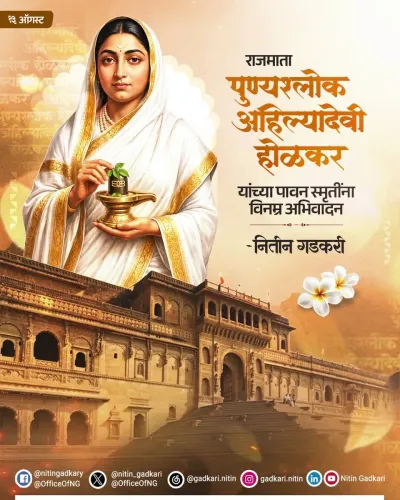
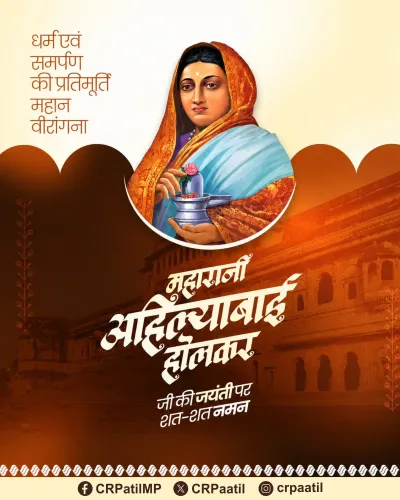
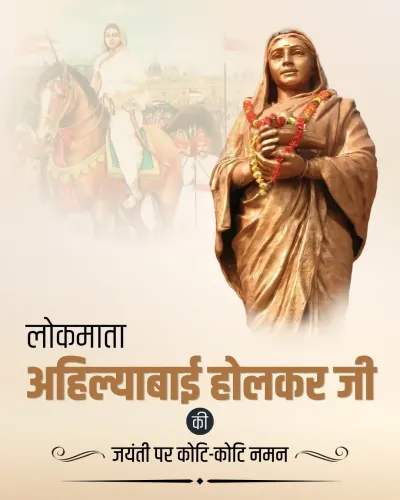
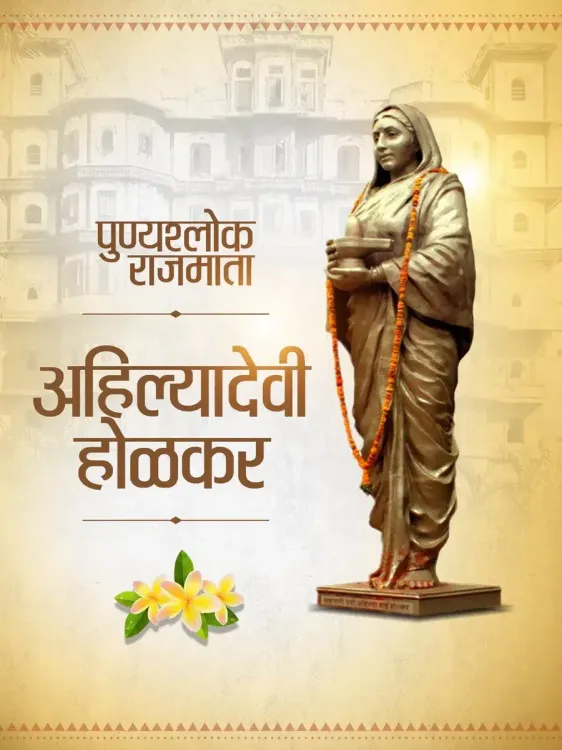
Union Commerce and Industry Minister Piyush Goyal on Sunday, 31 May 2026 paid tribute to Punyashlok Rajmata Ahilyabai Holkar on her birth anniversary, describing her as an unparalleled symbol of sacrifice, service, justice, dignity, and good governance.
In a post on X in Marathi, Goyal wrote: 'त्याग, सेवा, न्याय, प्रतिष्ठा आणि सुशासन यांचे अद्वितीय प्रतीक असलेल्या पुण्यश्लोक राजमाता अहिल्यादेवी होळकर यांना त्यांच्या जयंतीनिमित्त कोटी कोटी नमन.' ('Countless salutations to Punyashlok Rajmata Ahilyabai Holkar, an unparalleled symbol of sacrifice, service, justice, dignity, and good governance, on the occasion of her birth anniversary.') He added that her devotion to dharma, culture, and public service continues to inspire society even today.
Context
Ahilyabai Holkar was an 18th-century queen of the Malwa kingdom who is widely revered across India for her extensive patronage of temples, ghats, and dharamshalas. Her reign is regarded as a model of just and compassionate governance, and she is honoured with the title 'Punyashlok' — meaning one of virtuous fame — by devotees and historians alike.
Her contributions spanned the length and breadth of the subcontinent, from the renovation of the Kashi Vishwanath Temple in Varanasi to the construction and restoration of shrines at major pilgrimage sites including Dwarka, Somnath, Gaya, and Nashik. She is also remembered for building roads, wells, and rest houses for travellers and pilgrims.
Policy Backdrop
The Kashi Vishwanath Temple, whose 18th-century reconstruction was patronised by Ahilyabai Holkar, was at the centre of a major government-led heritage initiative when the Kashi Vishwanath Corridor was inaugurated in 2021, modernising the precinct around the ancient shrine. The corridor project drew a direct civilisational line from Ahilyabai's original patronage to contemporary heritage restoration efforts.
Commemorations of Ahilyabai Holkar have become a recurring feature in the political calendar of the BJP-led government, which has consistently highlighted pre-colonial rulers associated with temple patronage, social welfare, and what it frames as a tradition of good governance rooted in Indian cultural values.
Stakeholders and Impact
Goyal's tribute resonates with a wide cross-section of society, including Hindu devotees, heritage researchers, and communities across Maharashtra, Madhya Pradesh, and other states where Ahilyabai's legacy is deeply embedded in local memory. Her identity as a woman ruler who championed both public welfare and religious culture gives her an appeal that cuts across regional and caste lines.
The minister's use of Marathi — Ahilyabai's native tongue — in the post signals a deliberate outreach to Maharashtra's electorate and cultural sensibility, reinforcing the BJP's effort to claim ownership of Maratha heritage icons at a time of active political competition in the state.
What's Next
State governments in Madhya Pradesh and Maharashtra have in previous years organised events around Ahilyabai Holkar's birth anniversary, and further cultural programmes or heritage-restoration announcements linked to her legacy are possible in the coming days. At the national level, such commemorations often precede or accompany policy-level discussions on temple corridor development and heritage-site management, making this anniversary a marker worth watching for any follow-up government action.
Point of View
The post draws an implicit thread from Ahilyabai's 18th-century patronage to the BJP-era Kashi Vishwanath Corridor redevelopment. The choice of Marathi also reflects the party's ongoing effort to consolidate its cultural footprint in Maharashtra, where Maratha heritage has become a significant political battleground. Such commemorations serve a dual purpose: reinforcing civilisational continuity as a governing philosophy while simultaneously building electoral goodwill among devotees and heritage-conscious voters.
NationPress
19 Sept 2026
Frequently Asked Questions
Who was Ahilyabai Holkar?
Ahilyabai Holkar was an 18th-century queen of the Malwa kingdom, celebrated for her just rule, extensive temple patronage across India — including the Kashi Vishwanath Temple in Varanasi — and numerous public welfare works such as roads, wells, and dharamshalas for pilgrims.
Why is Ahilyabai Holkar called Punyashlok?
The title 'Punyashlok' means one of virtuous fame and is conferred on individuals of exceptional righteousness. Ahilyabai Holkar earned this honorific for her lifelong dedication to dharma, public service, and compassionate governance.
What did Piyush Goyal say about Ahilyabai Holkar?
Piyush Goyal described Ahilyabai Holkar as an unparalleled symbol of sacrifice, service, justice, dignity, and good governance, and said her devotion to dharma, culture, and public service continues to inspire society today.
What is the connection between Ahilyabai Holkar and Kashi Vishwanath Temple?
Ahilyabai Holkar patronised the reconstruction of the Kashi Vishwanath Temple in Varanasi in the 18th century. The temple precinct later became the site of the government-led Kashi Vishwanath Corridor project inaugurated in 2021.
Why did Piyush Goyal post in Marathi?
Ahilyabai Holkar is a revered figure in Maharashtra, and posting in Marathi reflects cultural respect for her legacy as well as a deliberate outreach to Maharashtra's audience, where Maratha heritage carries significant political and emotional weight.