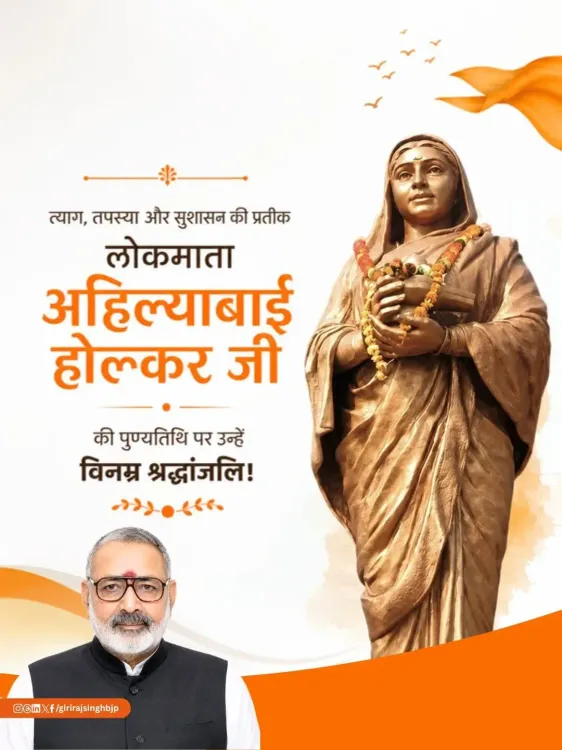
Giriraj Singh pays tribute to Ahilyabai Holkar on death anniversary
Synopsis
Union Textiles Minister Giriraj Singh marked the death anniversary of 18th-century Malwa ruler Ahilyabai Holkar on 13 August, honouring her as 'Lokmata' and an immortal emblem of dharma, justice, compassion, and good governance.
Key Takeaways
Union Textiles Minister Giriraj Singh posted a tribute to Ahilyabai Holkar on her death anniversary, 13 August .
He addressed her as Lokmata — 'Mother of the People' — and praised her as an embodiment of sacrifice, penance, and good governance.
Ahilyabai ruled the Malwa kingdom from 1767 to 1795 , administering from Maheshwar in present-day Madhya Pradesh.
She is renowned for constructing and restoring temples, ghats, and public infrastructure across the subcontinent.
13 August is an established point in India's political commemorative calendar, marked annually by leaders and state governments.
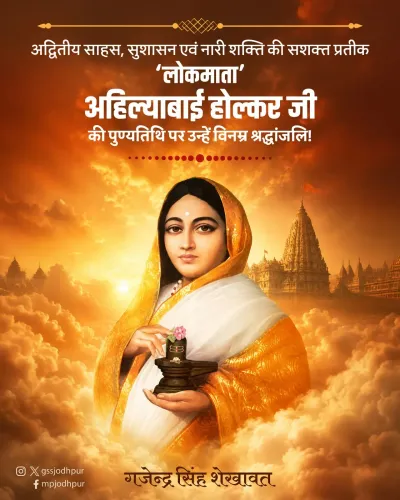
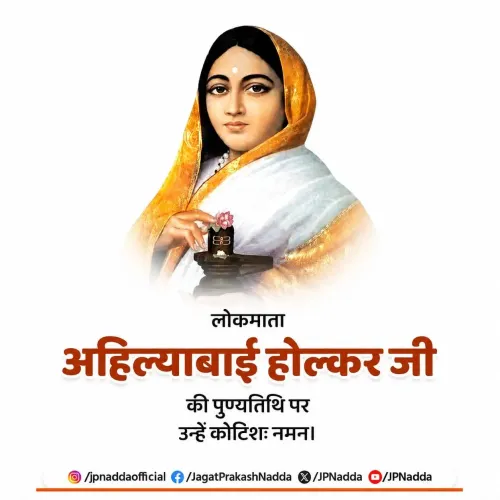
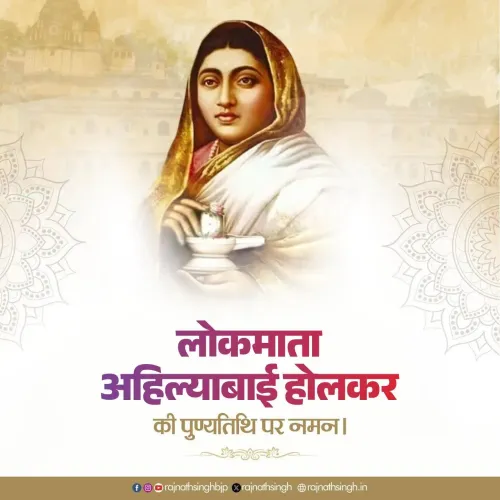
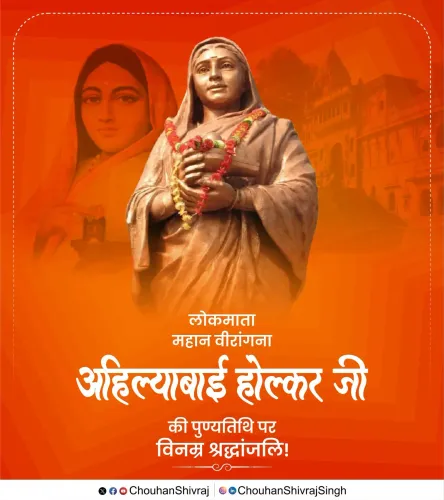
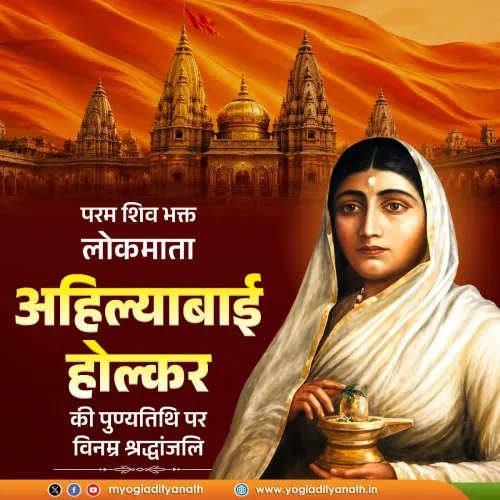
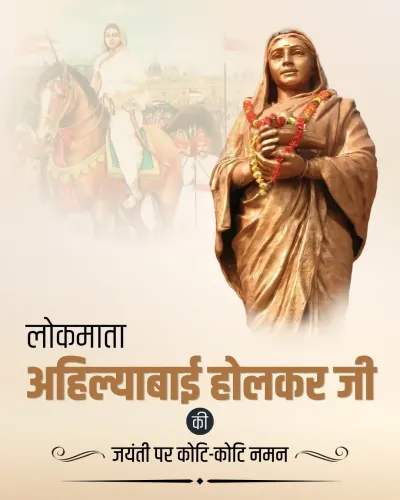
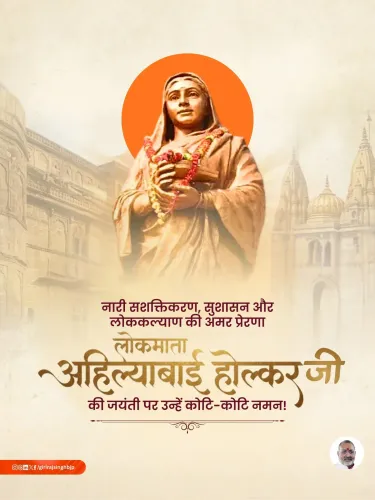
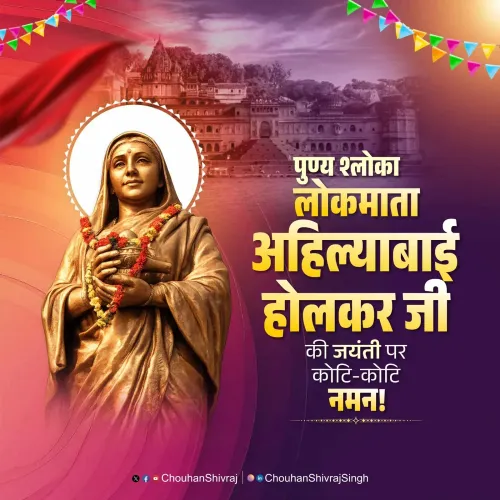
On the death anniversary of Ahilyabai Holkar, Union Textiles Minister Giriraj Singh on Thursday, 13 August offered a heartfelt tribute to the 18th-century Malwa queen, hailing her as an enduring symbol of dharma, justice, and compassionate rule.
In his post, Singh wrote — 'Dharm, nyay aur karuna ki pavan dhara, jinke shasan se roshan hua jag sara!' — 'The sacred stream of dharma, justice and compassion; whose reign illuminated the entire world!' He described Ahilyabai as the immortal embodiment of sacrifice, penance, and good governance, addressing her by the reverential title Lokmata, or 'Mother of the People'.
Who was Ahilyabai Holkar?
Ahilyabai Holkar ruled the Malwa kingdom from 1767 to 1795, administering from her capital at Maheshwar on the banks of the Narmada river in present-day Madhya Pradesh. She is remembered for an extraordinary record of public works: the construction and restoration of temples, ghats, wells, and rest-houses across the subcontinent, from Varanasi to Dwarka to Rameshwaram. Her administration was marked by direct access for subjects to petition the ruler — a form of participatory governance rare for her era.
A date marked across India's political calendar
The 13th of August has become a fixed point in India's commemorative calendar, with political leaders and state governments across the spectrum paying tribute to Ahilyabai each year. The practice reflects a broader cultural impulse to draw legitimacy and moral authority from pre-colonial rulers who embodied welfare-oriented governance. Singh's tribute follows this established tradition, invoking Ahilyabai's legacy as a benchmark for ethical statecraft.
The reverence she commands cuts across regions and parties — a testament to how deeply her administrative and spiritual legacy is woven into India's collective memory. For a minister overseeing a sector rooted in craft and community, the invocation of a ruler who patronised weavers and artisans carries a quiet resonance of its own.
Point of View
Welfare-oriented governance. Ahilyabai's cross-regional appeal — her public works spanned from Varanasi to Rameshwaram — makes her a particularly unifying symbol. The 'Lokmata' framing also subtly reinforces a political vocabulary around maternal, moral authority in statecraft. As these commemorations grow more visible on social media, they function as soft-power cultural positioning as much as historical remembrance.
NationPress
28 Sept 2026
Frequently Asked Questions
Who was Ahilyabai Holkar?
Ahilyabai Holkar was an 18th-century ruler of the Malwa kingdom who governed from 1767 to 1795. She is celebrated for her administrative reforms, extensive public welfare works — including temple construction and restoration of ghats across India — and her reputation for just, compassionate rule.
When is Ahilyabai Holkar's death anniversary?
Ahilyabai Holkar's death anniversary falls on 13 August each year, and is widely commemorated by political leaders and state governments across India.
Why is Ahilyabai Holkar called Lokmata?
'Lokmata,' meaning 'Mother of the People,' is a reverential title given to Ahilyabai Holkar in recognition of her deep commitment to public welfare, accessible governance, and the care she showed for ordinary subjects during her reign.
What did Giriraj Singh say about Ahilyabai Holkar?
Giriraj Singh described Ahilyabai Holkar as 'the sacred stream of dharma, justice, and compassion' and called her the immortal embodiment of sacrifice, penance, and good governance, offering her a heartfelt tribute on her death anniversary.
Where did Ahilyabai Holkar rule from?
Ahilyabai Holkar administered the Malwa kingdom from her capital at Maheshwar , situated on the banks of the Narmada river in present-day Madhya Pradesh.