Afghanistan malnutrition doubles as 6 million migrants return from Pakistan, Iran
Synopsis
Malnutrition has doubled in three months across parts of Afghanistan, and a UN-backed survey covering 401 districts finds 21.9 million people — nearly half the population — need humanitarian assistance. The mass return of six million Afghans expelled from Pakistan and Iran since September 2023 is overwhelming communities that were already on the edge, as aid coverage has actually shrunk since March.
Key Takeaways
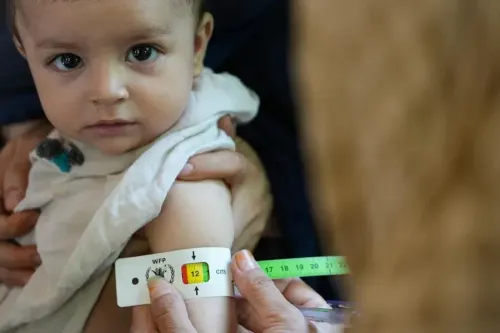
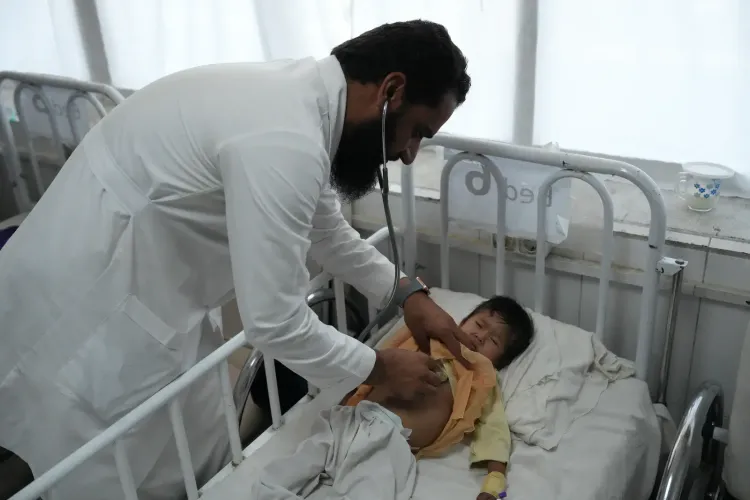
Malnutrition cases have doubled in three months across several surveyed areas in Afghanistan , per a UN-supported assessment.
21.9 million people — nearly 45 per cent of Afghanistan's population — require humanitarian assistance.
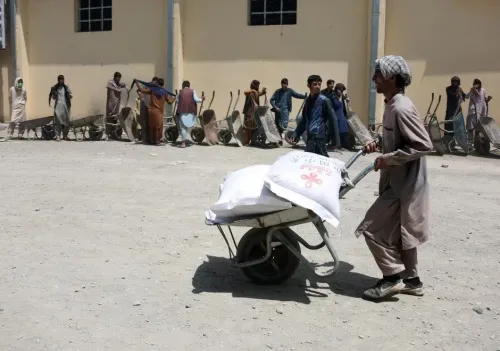
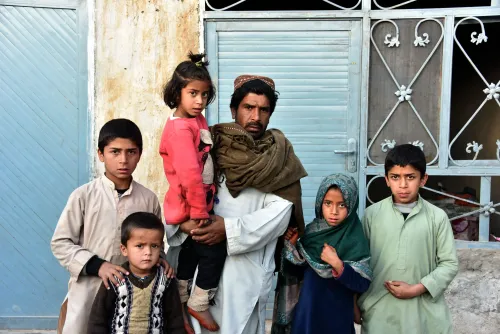
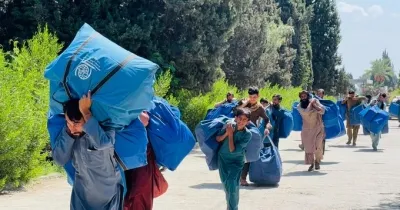
Close to six million Afghans have been forcibly expelled from Pakistan and Iran since September 2023 , straining fragile communities.
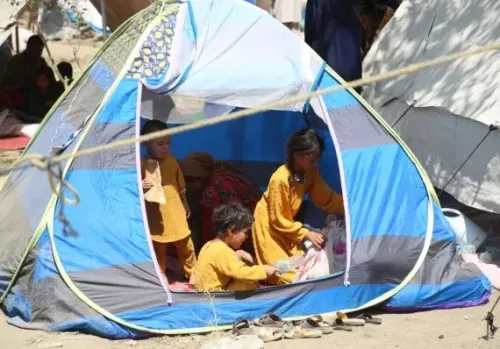
57 per cent of areas receiving returnees reported those individuals got no humanitarian assistance upon arrival.
Humanitarian aid coverage fell from 37 per cent of surveyed areas in March to 29 per cent — even as needs grew.
Panjshir , Faryab , and Laghman recorded the steepest malnutrition increases at 89% , 85% , and 83% respectively.
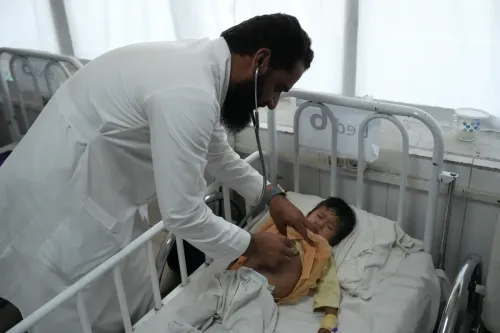
Malnutrition cases have doubled in the past three months across several surveyed areas in Afghanistan, as the war-torn country grapples with a compounding humanitarian crisis driven by mass migrant returns, rising food prices, climate shocks, and a sharp decline in aid coverage, according to an assessment supported by the United Nations.
Scale of the Crisis
The assessment — conducted by REACH with UN support between 10 May and 7 June across 401 districts and drawing on information from 12,854 key informants — found that 21.9 million people, nearly 45 per cent of Afghanistan's population, currently require humanitarian assistance. Food insecurity was reported as a serious or very serious problem in 65 per cent of surveyed areas, while 55 per cent reported significant food-price increases in the preceding month.
The provinces of Panjshir, Faryab, and Laghman recorded the sharpest spikes in reported malnutrition cases, at 89 per cent, 85 per cent, and 83 per cent, respectively.
Migrant Returns Adding Pressure on Vulnerable Communities
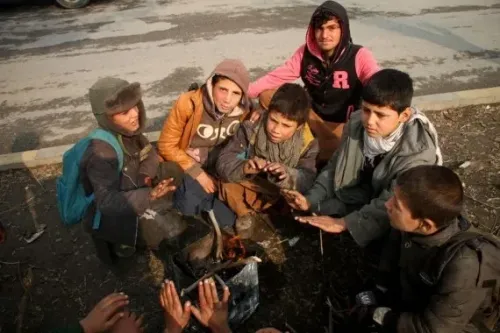
The return of Afghan migrants from Iran and Pakistan is placing further strain on already fragile communities. Half of the surveyed areas reported receiving returnees from the two countries, while 57 per cent said those returnees had received no humanitarian assistance after arriving, according to Khaama Press, Afghanistan's leading English-language news agency.
A separate alert by the UN World Food Programme (WFP) noted that close to six million Afghans have been forcibly expelled from neighbouring countries since September 2023. John Aylieff, WFP Country Director for Afghanistan, briefing journalists in Geneva from Kabul, said the mass expulsions have increased the strain on Afghanistan's already fragile economy.
Healthcare Access and Economic Hardship
Barriers to healthcare remain severe: 77 per cent of surveyed areas reported shortages of medicines and medical equipment, while 59 per cent identified treatment costs as unaffordable. Economic hardship is also driving asset depletion — key informants from 87 per cent of areas reported a rise in households selling livestock due to insufficient income or food.
This comes amid a broader collapse in coping capacity. Rising food prices, economic contraction, and recurring climate shocks are collectively worsening food insecurity across the country.
Humanitarian Aid Gap Widening
Humanitarian assistance was reported in only 29 per cent of surveyed areas during the preceding three months — down from 37 per cent in March — highlighting a widening gap between needs and available support. Climate stress is compounding the picture: drought was identified as a displacement factor in 40 per cent of surveyed areas, while 15 per cent reported flood damage to homes.
With aid coverage shrinking and returnee numbers continuing to rise, humanitarian agencies warn that without urgent intervention, the situation across Afghanistan's most affected provinces could deteriorate sharply in the months ahead.
Point of View
But what this assessment surfaces is a structural deterioration that is qualitatively different: humanitarian coverage is actually contracting at the same moment that six million returnees are flooding back in. Pakistan and Iran's mass expulsions are not a migration story; they are an aid-burden transfer, and Afghanistan's already overwhelmed system is absorbing the cost. The 29 per cent aid-coverage figure, down from 37 per cent in March, is the number that should alarm donors — it means the gap is widening even before the next climate shock or displacement wave arrives.
NationPress
23 Sept 2026
Frequently Asked Questions
Why has malnutrition doubled in Afghanistan in three months?
A UN-supported assessment found that rising food prices, economic hardship, declining humanitarian assistance, and the mass return of migrants from Pakistan and Iran have combined to worsen food insecurity sharply. Malnutrition cases doubled across several surveyed areas between the assessment period of May and June 2025.
How many Afghan migrants have returned from Pakistan and Iran?
Close to six million Afghans have been forcibly expelled from Pakistan and Iran since September 2023, according to the UN World Food Programme. WFP Country Director John Aylieff said these returns have significantly increased strain on Afghanistan's fragile economy.
What share of Afghanistan's population needs humanitarian assistance?
The REACH assessment, supported by the UN and covering 401 districts, estimated that 21.9 million people — nearly 45 per cent of Afghanistan's population — currently need humanitarian assistance.
Which provinces are worst affected by malnutrition in Afghanistan?
Panjshir, Faryab, and Laghman recorded the sharpest increases in reported malnutrition cases, at 89 per cent, 85 per cent, and 83 per cent respectively, according to the assessment.
Is humanitarian aid coverage in Afghanistan improving?
No — aid coverage has declined. Humanitarian assistance was reported in only 29 per cent of surveyed areas in the three months preceding the assessment, down from 37 per cent in March, indicating the gap between needs and available support is widening.