Kimberley Process 2026 Intersessional Meeting opens in Mumbai, India chairs talks on diamond trade
Synopsis
India is chairing the Kimberley Process for the first time in 2026, hosting a four-day intersessional meeting in Mumbai with delegates from 86 countries. The talks centre on the 3Cs — Credibility, Compliance, and Consumer Confidence — at a moment when consumer scrutiny of diamond sourcing has never been sharper.
Key Takeaways
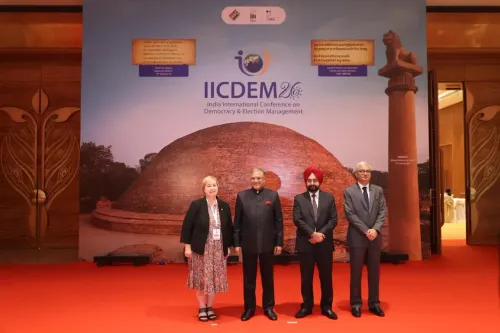
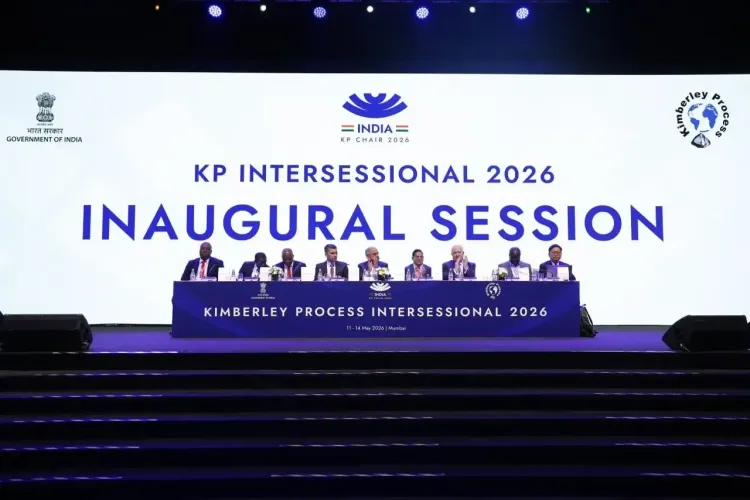
The Kimberley Process Intersessional Meeting 2026 opened in Mumbai on 11 May 2026 , running through 14 May .
India assumed the KP Chairship on 1 January 2026 , with Suchindra Misra serving as KP Chair.
The meeting brings together 60 Participants representing 86 countries , including the European Union as a single bloc.
India's 2026 theme centres on the 3Cs — Credibility, Compliance, and Consumer Confidence in the natural diamond sector.
Discussions will cover KPCS implementation , compliance monitoring, artisanal diamond production, and consumer trust in ethically sourced diamonds.
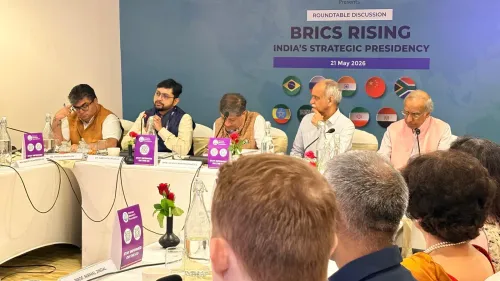
The Kimberley Process (KP) Intersessional Meeting 2026 opened in Mumbai on 11 May 2026, with India holding the Chair, as representatives from 60 Participants spanning 86 countries gathered to deliberate on the future of the global natural diamond trade. The four-day meeting, running through 14 May, was convened to address certification, compliance, and consumer confidence in ethically sourced diamonds, according to a Commerce Ministry statement.
Key Agenda and Working Groups
The intersessional meeting will host discussions across multiple Working Groups and Committees, covering the implementation of the Kimberley Process Certification Scheme (KPCS), monitoring and compliance mechanisms, and artisanal and alluvial diamond production. Delegates will also examine statistical frameworks and measures aimed at strengthening trust across the natural diamond value chain.
Participants and observers are additionally expected to exchange views on emerging challenges and collaborative approaches for enhancing consumer confidence in ethically sourced natural diamonds, the ministry noted.
What the KP Chair Said
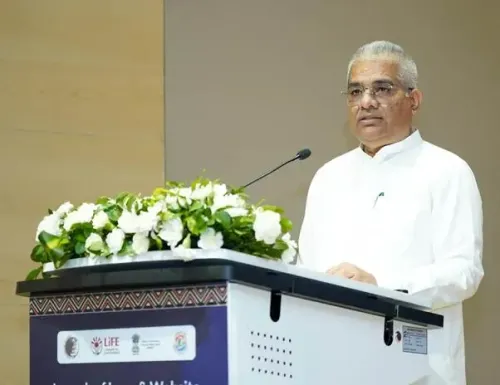
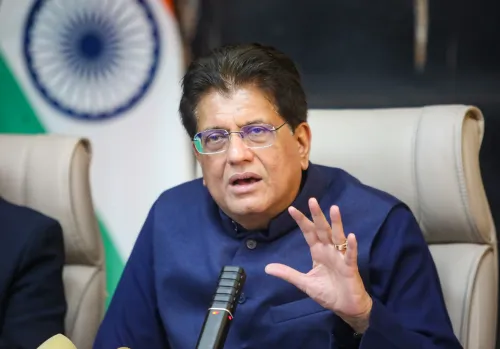
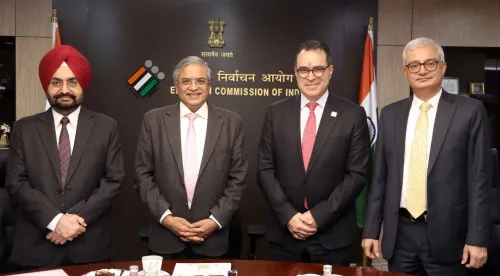
Suchindra Misra, serving as KP Chair 2026, stated that the Kimberley Process has played an important role in supporting peace, protecting livelihoods, and strengthening legitimate diamond trade across producing nations. He emphasised the need to further strengthen trust in the system, enhance cooperation among participants, and ensure that the Kimberley Process remains relevant and effective in a changing global environment.
Misra also highlighted that natural diamonds represent a sustainable product and that the Kimberley Process continues to remain one of the most progressive certification systems globally, according to the ministry statement.
India's Chairship and the 3Cs Framework
India assumed the Chairship of the Kimberley Process on 1 January 2026, reaffirming its commitment to responsible sourcing, transparency, and sustainability in the global diamond sector. India's 2026 Chairship theme is built around the 3Cs — Credibility, Compliance, and Consumer Confidence — with an emphasis on strengthening responsibly sourced natural diamonds through constructive dialogue and international collaboration.
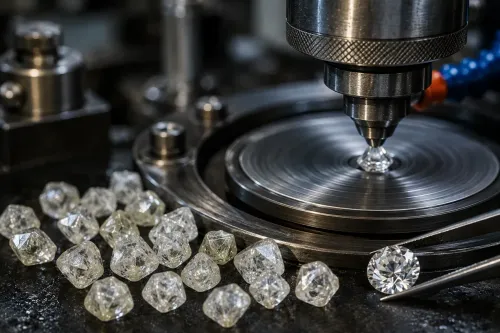
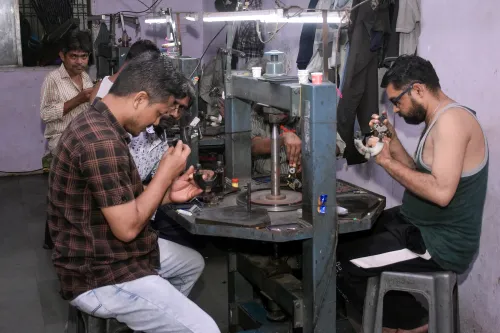
As one of the world's leading centres for diamond cutting and polishing, India occupies a pivotal position in advancing the objectives of the Kimberley Process. The country's dominance in diamond processing gives its chairship added strategic weight in shaping global certification norms.
About the Kimberley Process
The Kimberley Process Certification Scheme (KPCS) is an international initiative aimed at preventing the flow of conflict diamonds — also known as blood diamonds — into the legitimate global trade. Established in the early 2000s following international pressure over diamond-funded conflicts in Africa, the scheme now counts 60 Participants representing 86 countries, with the European Union and its member states participating as a single bloc.
With the intersessional deliberations under way, the outcomes of this meeting are expected to shape the agenda for the KP Plenary later in 2026, particularly on questions of compliance enforcement and the growing consumer demand for traceable, ethical diamonds.
Point of View
The KP's credibility is under pressure from two directions — lax compliance in some producing nations and an industry struggling to differentiate ethical naturals from synthetic alternatives. The 3Cs framework is a coherent response, but the harder question is enforcement. Past KP cycles have been criticised for weak monitoring, and without binding compliance consequences, credibility risks remaining a talking point rather than a standard. India's position as the world's dominant diamond polishing hub gives it real leverage — the question is whether it will use this chairship to push structural reform or settle for consensus diplomacy.
NationPress
23 Sept 2026
Frequently Asked Questions
What is the Kimberley Process Intersessional Meeting 2026?
It is a four-day international gathering held in Mumbai from 11 to 14 May 2026, under India's chairship, where representatives from 86 countries deliberate on the certification, compliance, and sustainability of the global natural diamond trade. It is a mid-year working meeting ahead of the annual KP Plenary.
Why is India chairing the Kimberley Process in 2026?
India assumed the KP Chairship on 1 January 2026, reflecting its stature as one of the world's leading centres for diamond cutting and polishing. The chairship allows India to shape global certification norms and advance responsible sourcing standards in the diamond sector.
What is the Kimberley Process Certification Scheme (KPCS)?
The KPCS is an international initiative established to prevent conflict diamonds — stones used to finance armed conflict against governments — from entering the legitimate global diamond trade. It currently has 60 Participants representing 86 countries.
What does India's 3Cs theme mean for the diamond trade?
India's 2026 Chairship theme focuses on Credibility, Compliance, and Consumer Confidence. It aims to strengthen the certification system's reliability, ensure member countries meet compliance standards, and rebuild consumer trust in ethically sourced natural diamonds amid growing competition from lab-grown alternatives.
Who is the KP Chair for 2026?
Suchindra Misra is serving as the KP Chair for 2026, representing India. He has called for stronger trust in the certification system and greater cooperation among KP participants to keep the process relevant in a changing global environment.