FM Sitharaman Meets NGJCI Chairman Parmod Agrawal
Synopsis
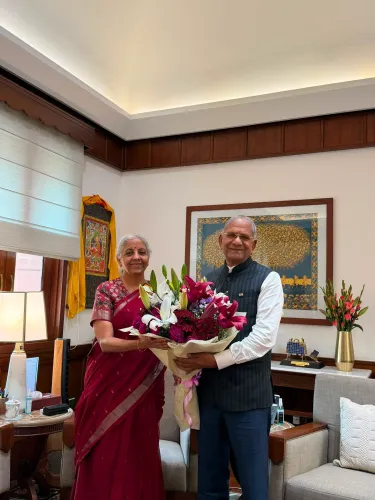
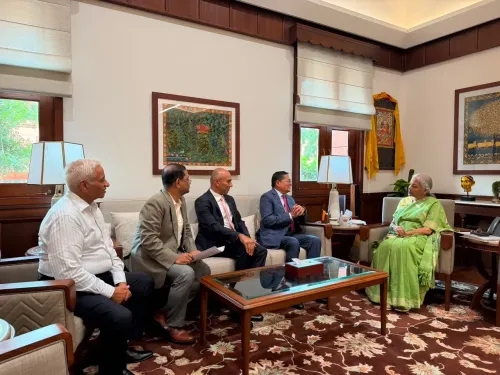
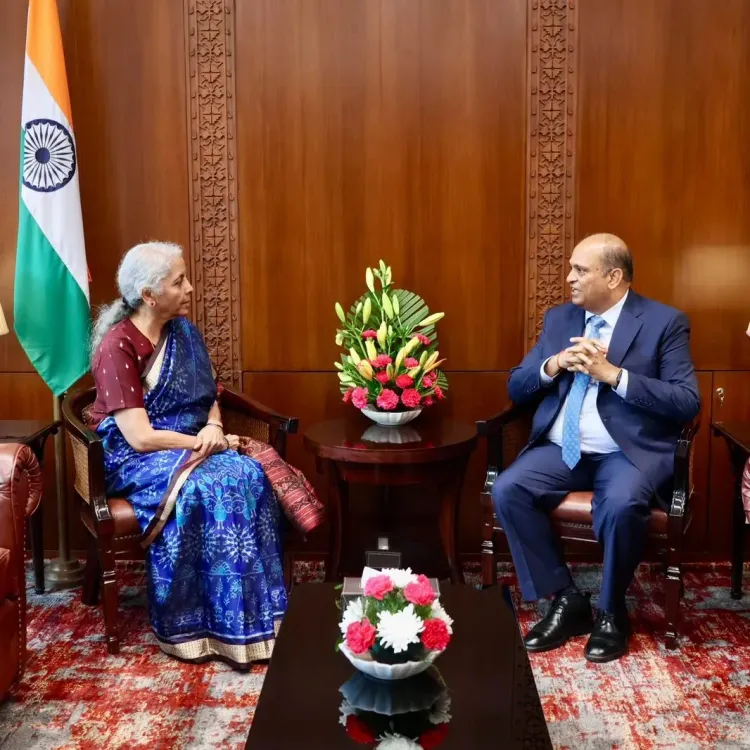
Union Finance Minister Nirmala Sitharaman met National Gems and Jewellery Council of India Chairman Parmod Agrawal on 6 November 2026. The formal call-on signals active industry engagement ahead of the next Budget cycle, with the sector eyeing duty and export policy relief.
Key Takeaways
Parmod Agrawal , Chairman of the National Gems and Jewellery Council of India (NGJCI) , called on Union Finance Minister Nirmala Sitharaman on 6 November 2026 .
No agenda or outcomes were officially disclosed following the meeting.
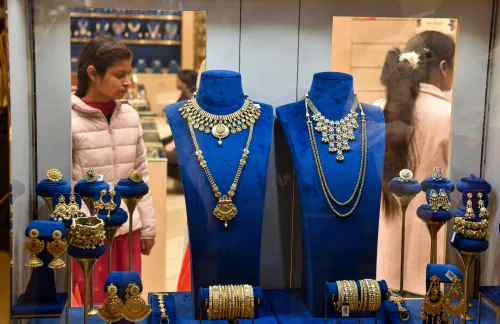
The gems and jewellery sector is one of India's largest merchandise export contributors, with manufacturing hubs in Surat , Mumbai , Jaipur , and Kolkata .
Such industry-Finance Ministry meetings typically feed into Union Budget deliberations or foreign trade policy updates.
Key policy areas the sector watches include import duties on rough diamonds and gold, GST structures, and export incentive schemes.
India's gems and jewellery sector — a multi-billion-dollar export engine employing millions across cutting, polishing, and trading hubs — walked into the Finance Ministry on Friday, 6 November 2026, when Union Finance Minister Nirmala Sitharaman received Shri Parmod Agrawal, Chairman of the National Gems and Jewellery Council of India (NGJCI).
The meeting, confirmed by the Finance Minister's official handle, was a formal 'call on' — the standard diplomatic term for an industry leader seeking a direct audience with a senior minister. No agenda or outcomes were disclosed in the post.
Who Is NGJCI and Why It Has the FM's Ear
The National Gems and Jewellery Council of India is an apex industry body representing one of India's most export-intensive sectors. Gems and jewellery consistently rank among the top contributors to India's merchandise export basket, alongside engineering goods and textiles, and the sector supports a vast workforce concentrated in cities like Surat, Mumbai, Jaipur, and Kolkata. For an industry this size, the Finance Ministry is not just a regulator — it is the gatekeeper on import duties for rough diamonds and gold, GST structures, export incentive schemes, and credit access for small manufacturers. A direct meeting with Sitharaman signals that the sector has specific representations to table, even if the room stays quiet about the details.The Routine That Shapes Policy
Meetings between the Finance Minister and industry body heads are a standard feature of India's pre-Budget and trade-policy calendar. These engagements typically feed into the Union Budget speech or foreign trade policy updates — the two moments when the government can materially shift the economics of an export sector through duty tweaks, scheme extensions, or new incentive windows. With the next Union Budget cycle on the horizon, any ask from Agrawal and the NGJCI — whether on import duty rationalisation for rough stones, working-capital credit for artisans, or export promotion support — now has a direct line into the room where those decisions are made. The gems and jewellery sector has historically lobbied for lower customs duties on rough diamonds and gold to stay competitive against global hubs like Antwerp and Dubai. Whether Friday's conversation moved any of those needles is a question only the next Budget speech can answer.Point of View
Formal audience rather than a structured policy consultation — is a well-worn instrument of Indian industry lobbying, particularly in the months preceding a Union Budget. For the gems and jewellery sector, which has faced margin pressure from competing global hubs and currency volatility, securing face-time with the Finance Minister is itself a strategic signal to the trade. Sitharaman's consistent accessibility to sector bodies fits a broader pattern of stakeholder-managed policymaking that the BJP government has cultivated since 2014. The real policy test will come when the Budget papers are tabled — only then will the meeting's weight become legible.
NationPress
6 Nov 2026
Frequently Asked Questions
Who is Parmod Agrawal and what is NGJCI?
Parmod Agrawal is the Chairman of the National Gems and Jewellery Council of India (NGJCI) , an apex industry body representing India's gems and jewellery sector, which is a major contributor to the country's merchandise exports.
Why did the NGJCI chairman meet Finance Minister Sitharaman?
The meeting was a formal 'call on,' a standard industry engagement with the Finance Minister. While no agenda was officially disclosed, such meetings typically involve discussions on sector concerns including import duties, GST, export incentives, and credit access.
What policy areas does India's gems and jewellery sector seek from the Finance Ministry?
The sector typically seeks relief on customs duties for rough diamonds and gold, favourable GST treatment, working-capital credit support for artisans, and export promotion schemes to stay competitive with global hubs like Antwerp and Dubai .
How significant is the gems and jewellery sector to India's economy?
Gems and jewellery is one of India's top merchandise export categories, supporting a large workforce in manufacturing and trading hubs including Surat , Mumbai , Jaipur , and Kolkata .
What comes next after the NGJCI-Finance Ministry meeting?
Sector-specific outcomes, if any, are likely to surface in the next Union Budget speech or in updates to India's foreign trade policy, which are the primary instruments through which the Finance Ministry can materially shift the economics of the export sector.