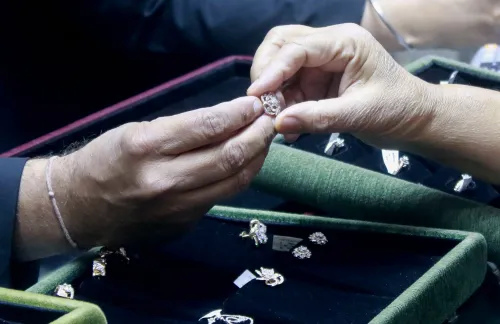
Will India Lead the Kimberley Process as Chair from January 1?
Synopsis
India is set to take over the leadership of the Kimberley Process from January 1, 2026. This pivotal role showcases the global trust in India's commitment to integrity in international trade. As a major player in diamond production, India's leadership arrives at a crucial time for the industry.
Key Takeaways
India will chair the Kimberley Process from January 1, 2026.
This marks India's third leadership term in the KP.
The process aims to prevent the trade of conflict diamonds.
India is committed to enhancing governance and transparency in diamond trade.
The Kimberley Process accounts for over 99% of the global rough diamond trade.
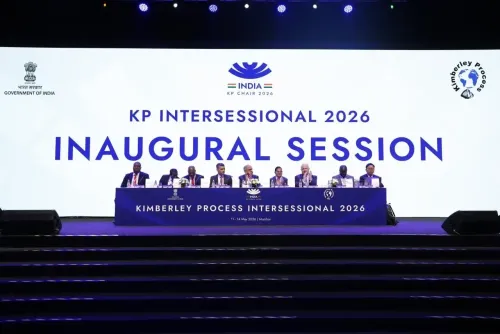
New Delhi, December 25 (NationPress) — The Indian government announced on Thursday that the Kimberley Process (KP) Plenary has chosen India to serve as Chairperson of the Kimberley Process starting January 1, 2026.
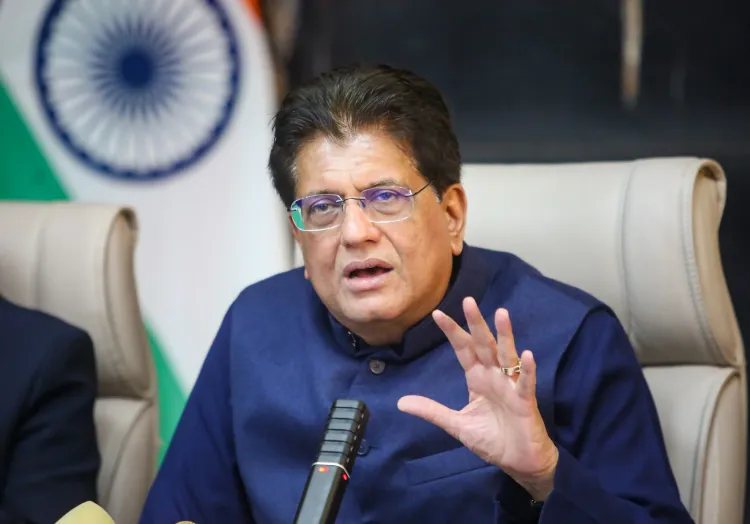
Commerce and Industry Minister Piyush Goyal stated that India's selection signifies global confidence in Prime Minister Narendra Modi's administration and its dedication to fostering integrity and transparency in international trade.
As the Vice Chair in 2025 and subsequently the Chair in 2026, India aims to collaborate closely with all stakeholders to bolster trust in the Kimberley Process, ensure adherence to rules, and enhance its credibility, aligning with its core goals and the evolving expectations of the global community. The focus will be on making the KP a more inclusive and efficient multilateral framework.
As highlighted by the Commerce Ministry, the Kimberley Process is a collaborative initiative among governments, the global diamond industry, and civil society, designed to prevent the trade of “conflict diamonds” — uncut diamonds exploited by rebel factions to fund conflicts that threaten legitimate governments, as per United Nations Security Council resolutions.
India has commenced its role as KP Vice Chair from December 25, preparing for its upcoming leadership in the new year. This marks the third occasion India has been appointed to chair the Kimberley Process, as noted by the ministry.
Recognized as a premier global center for diamond manufacturing and trade, India’s leadership emerges amidst shifting geopolitical landscapes and an increasing focus on sustainable and responsible sourcing.
During its term, India will emphasize strengthening governance and compliance, promoting digital certification and traceability, enhancing transparency through data-driven monitoring, and fostering consumer confidence in conflict-free diamonds.
The Kimberley Process Certification Scheme (KPCS), established following a UN resolution, became effective on January 1, 2003, and has evolved into a robust mechanism for combating the trade of conflict diamonds.
Currently, the Kimberley Process comprises 60 participants, with the European Union and its member states counted as a single entity. Collectively, KP participants represent over 99 percent of the global rough diamond trade, solidifying it as the most comprehensive international framework governing this sector.
Point of View
India's leadership in the Kimberley Process is a significant development that underscores the country's growing influence in global trade. It reflects a commitment to ethical practices and responsible sourcing, aligning with international efforts to combat conflict diamonds. This initiative not only enhances India's global standing but also contributes positively towards sustainable practices in the diamond industry.
NationPress
30 Sept 2026
Frequently Asked Questions
What is the Kimberley Process?
The Kimberley Process is an international initiative aimed at preventing the trade of conflict diamonds, which are diamonds mined in war zones and sold to finance armed conflict against governments.
When will India assume the Chair of the Kimberley Process?
India will take over as Chair of the Kimberley Process starting January 1, 2026.
What role does India currently hold in the Kimberley Process?
India is currently serving as Vice Chair of the Kimberley Process, effective from December 25, 2025.
What are the objectives of the Kimberley Process?
The main objectives include ensuring that diamond purchases do not finance violence and promote the transparent and ethical trade of diamonds.
How many participants are involved in the Kimberley Process?
The Kimberley Process currently has 60 participants, including the European Union, which is counted as a single participant.