Is Only Camellia sinensis Eligible to Be Labeled as Tea?
Synopsis
India's food safety authority has laid down strict regulations, stating that only products derived from Camellia sinensis can be labeled as “tea”. This decision aims to prevent misleading marketing practices and ensure consumer protection. Read on to understand the implications and regulations set forth by the FSSAI.
Key Takeaways
Only Camellia sinensis products can be labeled as tea.
Mislabeling as herbal or flower tea is prohibited.
Non-compliance may lead to legal consequences.
Consumer protection is a priority of the FSSAI.
State officials are tasked with enforcing these regulations.
New Delhi, Dec 25 (NationPress) India's food safety authority has tightened regulations regarding what can be termed as “tea”. They have made it abundantly clear that only products sourced from the plant Camellia sinensis are permitted to carry this label.
In a recent directive, the Food Safety and Standards Authority of India (FSSAI) highlighted that numerous food business operators are incorrectly categorizing herbal infusions and plant-based beverages as “tea”, which is misleading to consumers and constitutes misbranding under the Food Safety and Standards Act, 2006.
The FSSAI's investigation revealed that several products are marketed as “Rooibos tea”, “herbal tea”, and “flower tea”, despite these drinks not being derived from the actual tea plant.
The authority clarified that these products do not satisfy the legal definition of tea and thus cannot be marketed with that designation.
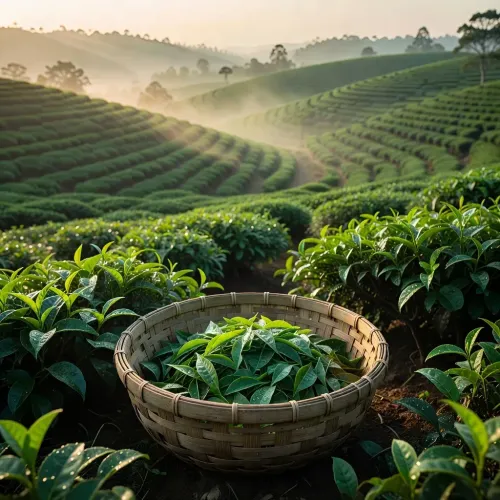
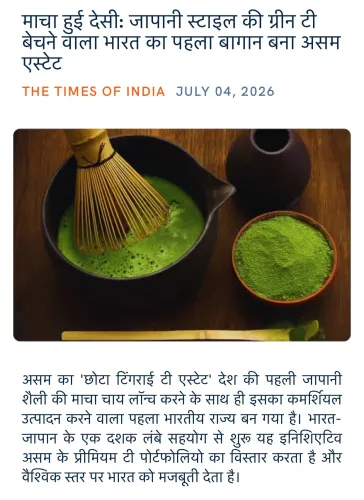
According to the existing regulations, only infusions made from Camellia sinensis qualify as tea. This includes popular varieties such as green tea, Kangra tea, and instant tea. Any beverage made from alternative plants, herbs, or flowers is excluded from this classification.
The regulator has cautioned all food business operators—including manufacturers, packers, marketers, importers, sellers, and e-commerce platforms—to refrain from using the term “tea”, either directly or indirectly, for products that do not originate from Camellia sinensis.
Failure to adhere to these guidelines will be regarded as a violation of food safety laws.
The FSSAI has also directed state food safety officials to rigorously enforce these regulations and ensure that both offline and online sellers comply with the appropriate labeling standards.
Experts assert that this initiative aims to safeguard consumers from confusion and promote transparency in the marketing of food and beverage products.
Point of View
I observe that the FSSAI's directive not only enhances consumer protection but also sets a precedent for clarity in food labeling. This step is essential for maintaining trust in food safety standards, and it is crucial for businesses to comply to avoid legal repercussions.
NationPress
30 Sept 2026
Frequently Asked Questions
What does the FSSAI's directive entail?
The FSSAI mandates that only products made from Camellia sinensis can be labeled as tea, prohibiting the use of the term for herbal infusions or plant-based drinks.
What are the consequences of non-compliance?
Failure to comply with the FSSAI's regulations will be treated as a violation of food safety laws, potentially leading to legal actions against the offending businesses.
Why is this regulation important?
This regulation is designed to protect consumers from misleading information and to ensure transparency in the labeling of food and beverage products.