Kimberley Process 2026: India chairs meet to strengthen natural diamond trade
Synopsis
India used its 2026 Kimberley Process chairship to push for a more transparent, consumer-trusted natural diamond trade — but the real test is whether Mumbai's commitments produce structural reforms before the KP Plenary. With millions of livelihoods and global consumer confidence at stake, the pressure on India's stewardship is significant.
Key Takeaways
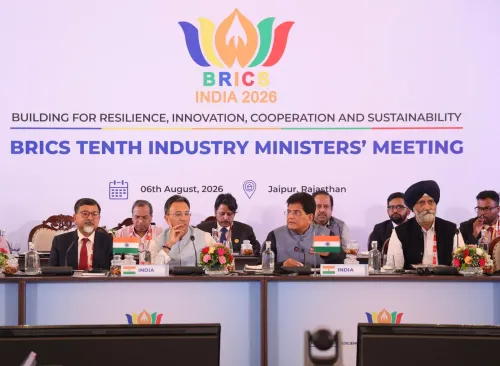
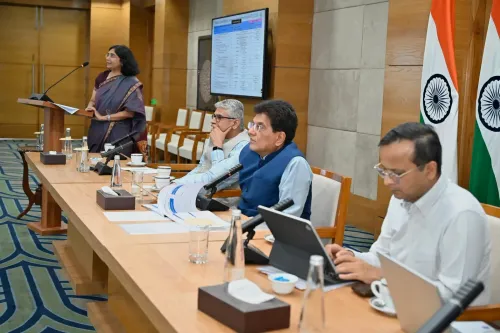
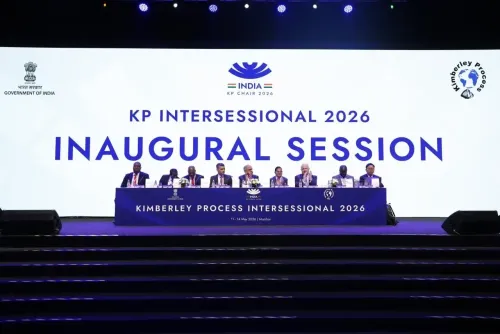
The Kimberley Process Intersessional Meeting 2026 concluded in Mumbai on 15 May 2025 under India's chairship .
The four-day meeting covered monitoring, governance, statistics, and artisanal diamond production.
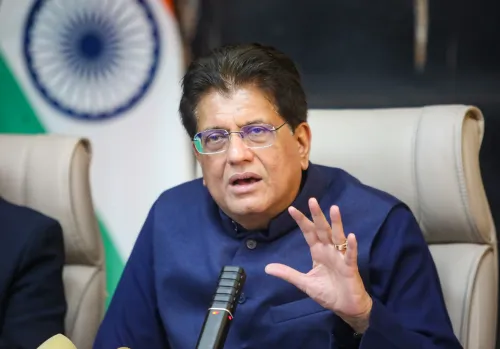
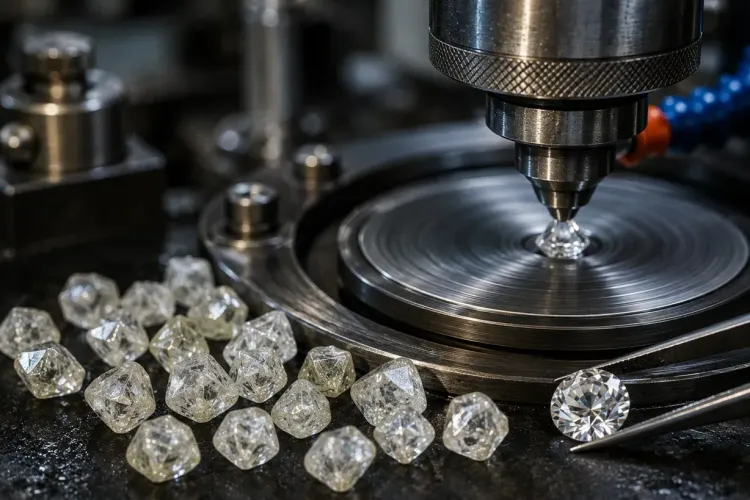
Commerce Minister Piyush Goyal called India the world's leading centre for diamond cutting and polishing and pledged continued support for a robust KP.
KP Chair 2026 Suchindra Misra emphasised trust and responsible sourcing as the foundation of the natural diamond trade.
The Kimberley Process Certification Scheme was established under a UN General Assembly Resolution to prevent conflict diamonds from entering legitimate trade.
India reaffirmed its commitment to credibility, compliance, and consumer confidence in the natural diamond sector as the Kimberley Process Intersessional Meeting 2026 concluded in Mumbai on 15 May 2025, with the country holding the chair for the proceedings. The Ministry of Commerce and Industry confirmed the development on Friday.
Key Developments at the Mumbai Meeting
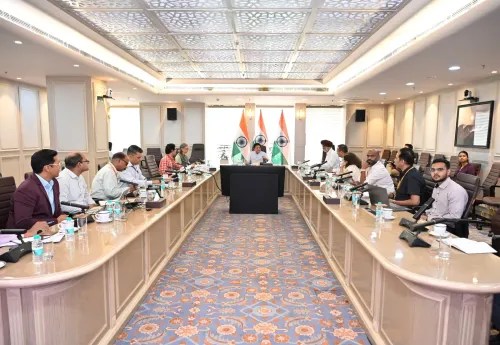
The four-day intersessional meeting brought together Kimberley Process (KP) participants, observers, industry stakeholders, and civil society organisations. Discussions centred on monitoring, technical processes, governance, statistics, and artisanal diamond production. A sustained focus on strengthening transparency, improving operational mechanisms, and reinforcing trust across the natural diamond value chain defined the proceedings, according to the ministry's statement.
What the Government Said
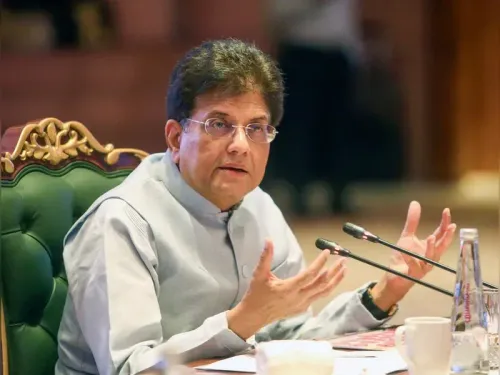
Union Minister of Commerce and Industry Piyush Goyal said, 'India, as the world's leading centre for diamond cutting and polishing, recognises the vital role of the KP in ensuring that natural diamonds remain a symbol of trust, responsibility and shared prosperity.' He underscored that the natural diamond sector sustains millions of livelihoods across producing, processing, and consuming nations, and pledged that India would continue to champion a KP that is 'robust, transparent and responsive to both industry and consumer expectations.'
KP Chair 2026 Suchindra Misra emphasised that trust remains the foundation of the natural diamond trade, highlighting the importance of reinforcing the Kimberley Process as a pillar of responsible sourcing, transparency, and confidence across the diamond value chain.
Consumer Outreach and Responsible Sourcing
The meeting also spotlighted the need to enhance communication and outreach efforts to better convey the positive impact of the Kimberley Process to end consumers. This includes messaging around responsible sourcing practices, development outcomes, and livelihood support across producing nations and communities — an area where the KP has historically faced scrutiny over the adequacy of its public communication.
About the Kimberley Process
The Kimberley Process Certification Scheme (KPCS), established under a United Nations General Assembly Resolution, is a global initiative aimed at preventing conflict diamonds from entering legitimate trade and promoting responsible sourcing across the natural diamond supply chain. India's chairship of the 2026 cycle places it at the centre of ongoing reforms to modernise the scheme's governance and expand its scope.
With the intersessional meeting concluded, attention now shifts to whether the commitments made in Mumbai translate into concrete reforms ahead of the KP Plenary later in 2025.
Point of View
But the KP has long faced criticism for narrow definitions of 'conflict diamonds' that exclude stones mined under abusive conditions short of outright civil war. The Mumbai meeting's emphasis on transparency and consumer communication is welcome, yet the harder question — whether the scheme's certification standards will be substantively tightened — remains unanswered. India's diamond industry, centred in Surat, processes roughly 90% of the world's rough diamonds by volume, giving New Delhi both the leverage and the commercial incentive to shape reforms carefully. Whether it uses that leverage for genuine accountability or to preserve the status quo will define the legacy of its 2026 chairship.
NationPress
24 Sept 2026
Frequently Asked Questions
What is the Kimberley Process Intersessional Meeting 2026?
It is a mid-year gathering of Kimberley Process member states, observers, industry groups, and civil society to advance discussions on diamond trade governance, monitoring, and responsible sourcing. The 2026 intersessional meeting was held in Mumbai over four days under India's chairship, concluding on 15 May 2025.
Why is India chairing the Kimberley Process in 2026?
India holds the KP Chair for 2026, a rotating role among member states. As the world's leading centre for diamond cutting and polishing, India has a significant stake in the credibility and governance of the global natural diamond trade.
What is the Kimberley Process Certification Scheme?
The Kimberley Process Certification Scheme (KPCS) is a global initiative established under a UN General Assembly Resolution to prevent conflict diamonds — also called blood diamonds — from entering legitimate trade. It promotes responsible sourcing across the natural diamond supply chain.
What did Commerce Minister Piyush Goyal say at the meeting?
Minister Piyush Goyal stated that India, as the world's leading diamond cutting and polishing hub, recognises the vital role of the KP in ensuring natural diamonds remain a symbol of trust, responsibility, and shared prosperity. He pledged India would champion a KP that is robust, transparent, and responsive to industry and consumer expectations.
What happens next after the Mumbai intersessional meeting?
The commitments and discussions from the Mumbai meeting are expected to feed into the KP Plenary later in 2025, where member states will take stock of governance reforms and any updates to the certification scheme's scope and standards.