CM Yogi joins 'Save Democracy' padyatra in Gorakhpur
Synopsis
Uttar Pradesh CM Yogi Adityanath joined BJP national president Nitin Nabin at a 'Loktantra Bachao, Anarchata Hatao' padyatra in Gorakhpur on 4 November 2026, accusing Congress and the INDIA alliance of turning electoral losses into anarchic politics.
Key Takeaways
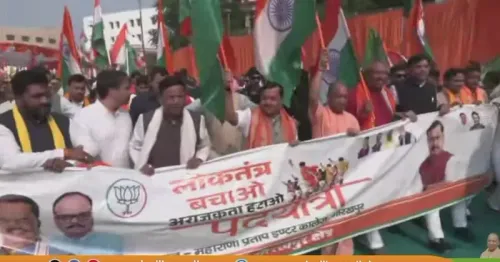
CM Yogi Adityanath participated in the 'Loktantra Bachao, Anarchata Hatao' (Save Democracy, Remove Anarchy) padyatra in Gorakhpur on 4 November 2026 .
The march was held jointly with BJP National President Nitin Nabin , signalling high-level party endorsement.
Yogi accused Congress and the INDIA alliance of lacking 'clarity, capacity and credibility' and of disrespecting the popular mandate.
The event was anchored in Gorakhpur , Yogi's political and spiritual base as head of the Gorakhnath Math.
CM Yogi reaffirmed commitment to protecting Indian democracy under Prime Minister Narendra Modi 's leadership.
The BJP has a pattern of using such padyatras as template mobilisations that subsequently spread to other states.
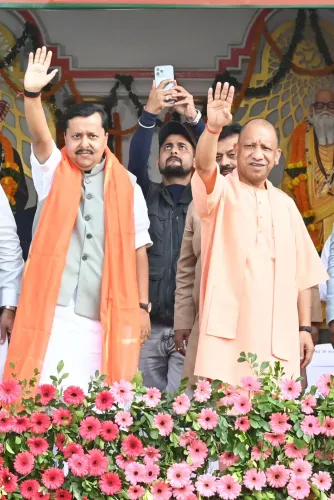
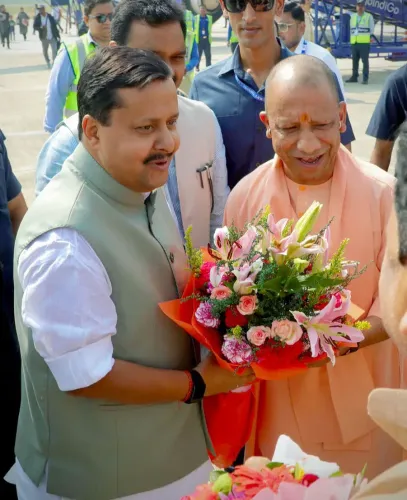
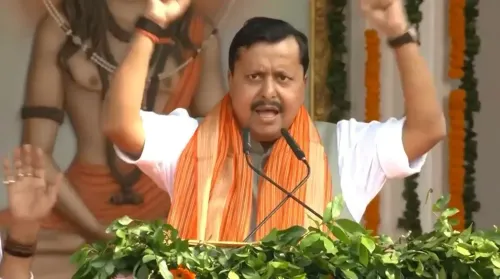
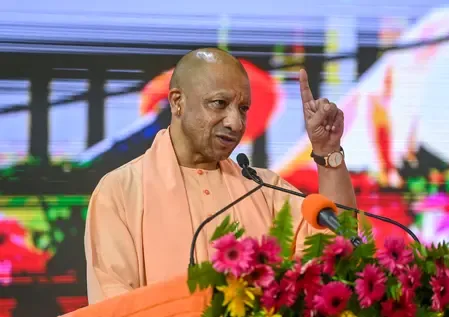
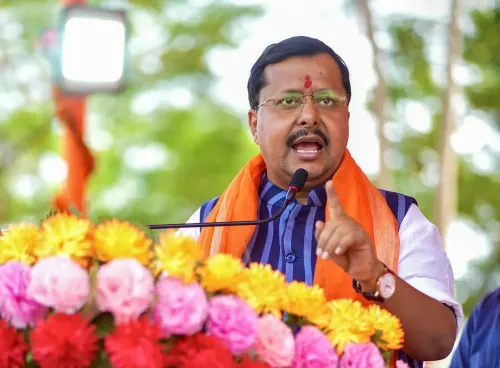
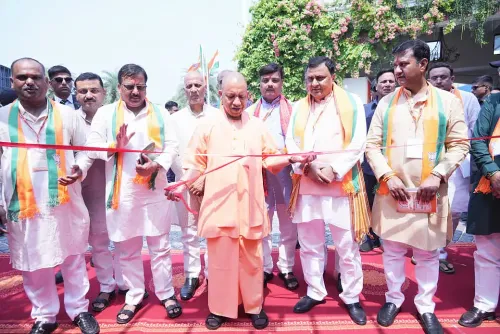
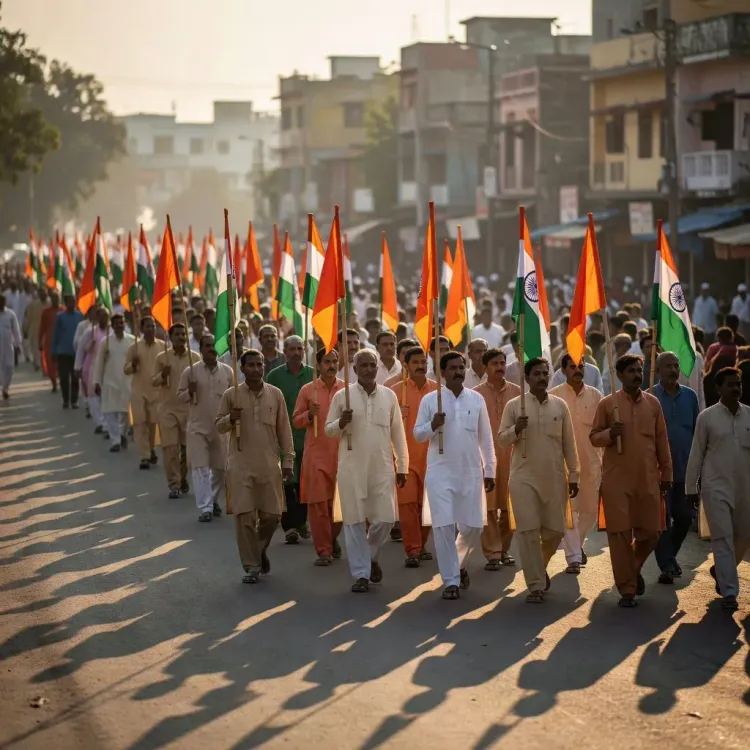
A padyatra under the banner 'Loktantra Bachao, Anarchata Hatao' — Save Democracy, Remove Anarchy — rolled through Gorakhpur on Wednesday, 4 November 2026, with Uttar Pradesh Chief Minister Yogi Adityanath marching alongside BJP National President Nitin Nabin in what the party framed as a direct counter to opposition disruption tactics.
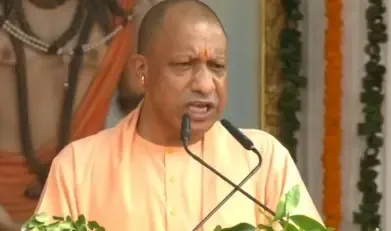
Posting ahead of the march, CM Yogi accused Congress and the INDIA alliance of converting electoral frustration into what he called 'the politics of anarchy.' In his words: 'Congress and the INDIA alliance, which is setting new records of electoral defeats, has now turned its desperation into anarchic politics. Their leadership is entirely lacking in clarity, capacity and credibility. Disrespecting the popular mandate is the product of exactly this thinking.'
Gorakhpur as the launchpad
Gorakhpur is not an incidental venue. It is Yogi Adityanath's political and spiritual base — home to the Gorakhnath Math, the ancient monastery he heads. When the BJP seeks to send a signal about democratic legitimacy, staging the event here adds the weight of a stronghold. The city has repeatedly served as a mobilisation centre for the Chief Minister, and Wednesday's padyatra follows that established pattern.
The march brings together two of the party's most prominent faces at the state and national level, underscoring the event's intent to project organisational strength rather than simply local sentiment.
BJP's counter-narrative on electoral mandates
The 'Save Democracy' framing is a recurring instrument in BJP's political vocabulary — deployed specifically when the party characterises opposition protests or legislative disruptions as an affront to voter verdicts. The INDIA alliance, formed in July 2023 as a coalition of opposition parties to take on the BJP-led NDA, has faced persistent BJP criticism that its post-election behaviour undermines democratic norms.
Yogi anchored the event explicitly in Prime Minister Narendra Modi's leadership, pledging commitment to protecting 'India's great democracy' under his stewardship — a framing that ties the padyatra's local energy to the national party line.
What the march signals
Public marches of this kind rarely end at the city limits. BJP has used padyatras as template events — once one lands in a stronghold like Gorakhpur, similar mobilisations typically follow in other states, testing the message and amplifying it. The coming weeks will reveal whether the 'Loktantra Bachao' format travels.
For the opposition, the challenge is now whether to respond substantively — or let the march's framing go unanswered on the ground.
Point of View
The party steps outside institutions and onto the street to reclaim the narrative of democratic legitimacy. By anchoring the event in Gorakhpur — Yogi's undisputed political citadel — and pairing him with the national party president, the BJP simultaneously reinforces the UP chief minister's national stature and ties the state-level mobilisation to the central party's strategic posture. The 'clarity, capacity, credibility' formulation is a compact attack line designed to follow the INDIA alliance across news cycles. If this padyatra format replicates in other BJP-governed states, it will signal a coordinated pre-emptive campaign rather than a one-off local event.
NationPress
4 Nov 2026
Frequently Asked Questions
What is the 'Loktantra Bachao, Anarchata Hatao' padyatra?
It is a public march organised by the BJP in Gorakhpur on 4 November 2026 under the slogan 'Save Democracy, Remove Anarchy,' led by UP Chief Minister Yogi Adityanath and BJP National President Nitin Nabin to counter what the party described as anarchic politics by the opposition.
Why did CM Yogi hold this padyatra in Gorakhpur?
Gorakhpur is Yogi Adityanath's political and spiritual base — he heads the Gorakhnath Math there — making it his primary mobilisation centre for major political events.
What did CM Yogi say about Congress and the INDIA alliance?
Yogi accused them of setting new records of electoral defeats and converting their desperation into 'anarchic politics,' arguing their leadership lacks clarity, capacity and credibility, and that they are disrespecting the popular mandate.
Who is the BJP national president Nitin Nabin?
Nitin Nabin is identified in CM Yogi's post as the BJP national president who co-led the Gorakhpur padyatra on 4 November 2026; further biographical details are unverified beyond this event.
What is the INDIA alliance and why does BJP criticise it?
The INDIA alliance is a coalition of opposition parties formed in July 2023 to contest BJP-led NDA. The BJP has consistently argued that the alliance's post-election protests challenge the popular mandate and undermine democratic norms.