PM Modi: Cabinet clears Rs 14,500 cr for 92 GWh energy storage
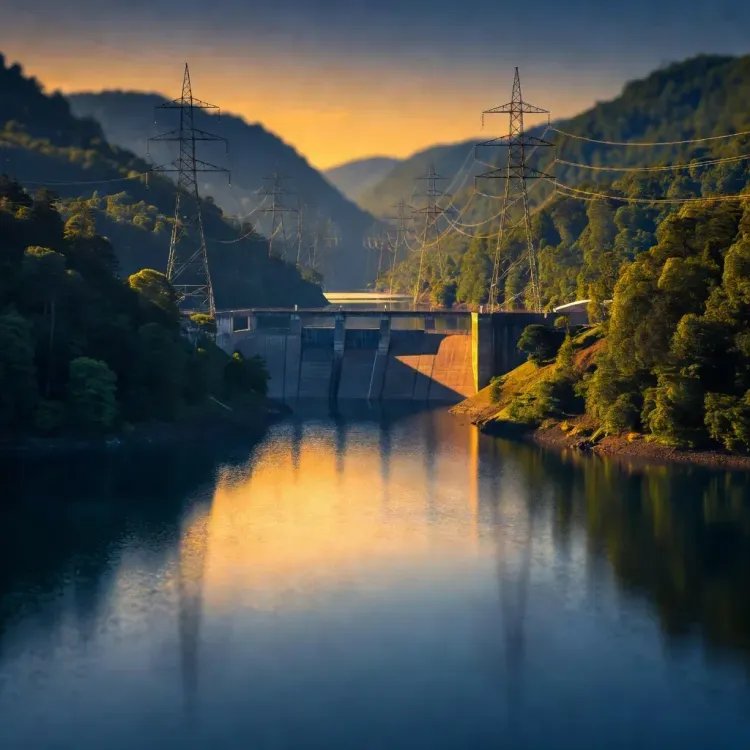
Synopsis
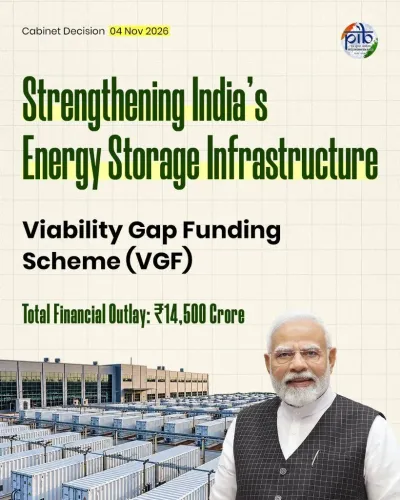
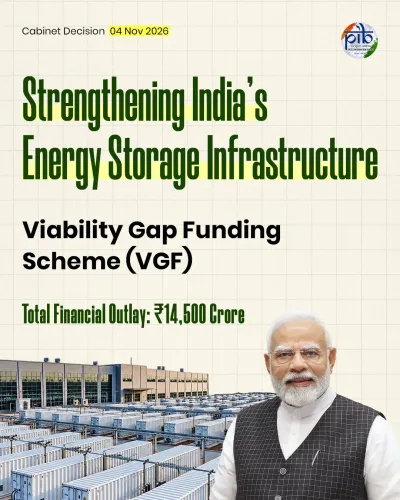
The Union Cabinet approved Rs 14,500 crore to develop 92 GWh of energy storage capacity — including 60 GWh of pumped hydro — to deliver round-the-clock renewable power and catalyse nearly Rs 1 lakh crore in total investment, PM Modi announced on 4 November 2026.
Key Takeaways
The Union Cabinet approved Rs 14,500 crore for 92 GWh of new energy storage capacity.
60 GWh of the target will be met through pumped hydro storage , with remaining capacity from other technologies.
The scheme is expected to catalyse nearly Rs 1 lakh crore in total investment, far exceeding the central outlay.
The move directly supports India's pledge of 500 GW non-fossil fuel capacity by 2030 , made at COP26 in 2021.
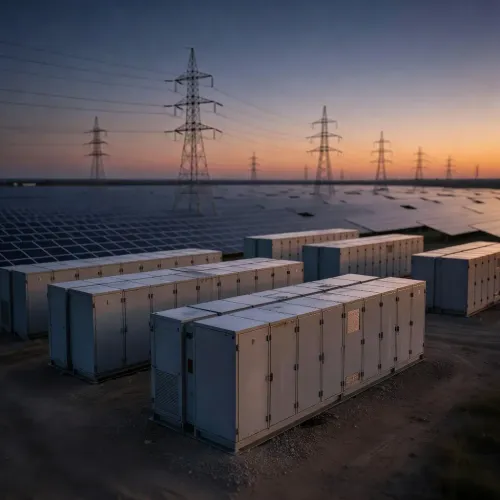
Storage infrastructure is designed to deliver firm, round-the-clock renewable power and reduce dependence on imported fossil fuels.
Detailed guidelines, bidding timelines, and state-level allocations are expected within the next 12 to 18 months .
India's power grid just got a major new backbone. Prime Minister Narendra Modi announced on Wednesday, 4 November 2026 that the Union Cabinet has approved a Rs 14,500 crore outlay to build 92 GWh of energy storage capacity — a move designed to end the stop-start rhythm of renewable power and keep lights on around the clock.
What Rs 14,500 crore buys India's grid
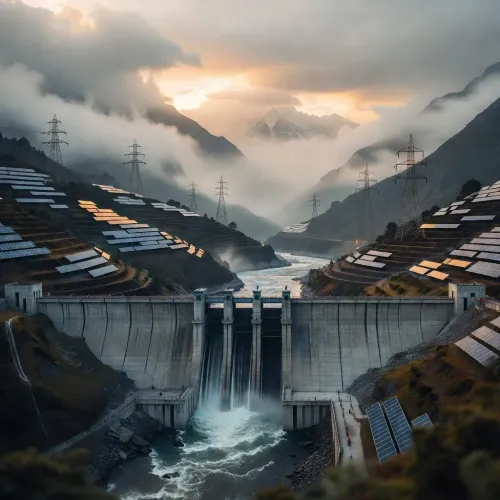
The Cabinet-cleared package is not just a budget line — it is an architecture decision. Of the 92 GWh target, 60 GWh will come from pumped hydro storage, the proven workhorse of large-scale electricity banking: water pumped uphill when the sun blazes or the wind blows, then released through turbines when demand spikes after dark. The remaining capacity is split across other storage technologies. PM Modi's post frames the logic in a sharp three-step slogan: 'Store More → Import Less → Power India Round the Clock.'
The government estimates the scheme will catalyse nearly Rs 1 lakh crore in total investment — roughly seven times the central outlay — by drawing in power utilities and private renewable developers who need firm, dispatchable storage to anchor their projects.
The 500 GW deadline breathing down India's neck
The timing is not incidental. At COP26 in 2021, India pledged to reach 500 GW of non-fossil fuel capacity by 2030. Solar panels and wind turbines can hit that number on paper; what they cannot do alone is guarantee power when the sky is cloudy and the air is still. Storage is the missing link, and without it, the 500 GW pledge risks delivering gigawatts on a nameplate but not kilowatt-hours in a socket.
India has simultaneously pushed to cut its dependence on imported coal and oil for power generation. Every gigawatt-hour of domestically stored renewable energy is one less fuel shipment — a point the Prime Minister's 'Import Less' framing makes explicit.
Pumped hydro's starring role — and what comes next
Pumped hydro storage accounts for the lion's share — 60 GWh — of the approved capacity. The technology requires the right geography (elevation differentials, water availability) and long construction timelines, but once built, it delivers decades of low-cost, large-volume storage with no battery chemistry to degrade. India's Himalayan foothills, Western Ghats, and peninsular highlands offer abundant suitable sites.
The critical next steps — detailed scheme guidelines, competitive bidding timelines, and state-level project allocations — are expected to unfold over the next 12 to 18 months. How quickly states move to identify and clear sites will determine whether the 92 GWh target stays on schedule for the decade's end.
India is making a clear bet: build the storage now, and the renewable gigawatts already coming online become genuinely firm power. Get the storage wrong, and the 2030 clean-energy promise remains an intermittent one.
Point of View
500 crore storage approval is best read as a structural fix for India's most stubborn clean-energy problem: the gap between installed renewable capacity and reliable supply. By anchoring 60 GWh in pumped hydro — a mature, long-lived technology — the government is prioritising durability over novelty, a signal that this is infrastructure policy, not pilot-project optics. The seven-to-one private leverage ratio (Rs 1 lakh crore total against Rs 14,500 crore central spend) reflects the same blended-finance logic that has underpinned recent infrastructure programmes. The real test is execution speed: pumped hydro projects are geographically constrained and time-intensive, and the 2030 deadline leaves little room for state-level delays in site clearance and bidding.
NationPress
5 Nov 2026
Frequently Asked Questions
What did the Union Cabinet approve for energy storage in India?
The Union Cabinet approved Rs 14,500 crore to develop 92 GWh of energy storage capacity in India, as announced by PM Modi on 4 November 2026.
What is pumped hydro storage and why does India need it?
Pumped hydro storage uses reservoirs at different elevations to store electricity — pumping water uphill when power is surplus and generating electricity by releasing it downhill when demand is high. India needs it to store solar and wind energy and deliver firm, round-the-clock power.
How much private investment is the energy storage scheme expected to attract?
The government estimates the scheme will catalyse nearly Rs 1 lakh crore in total investment, leveraging the Rs 14,500 crore central outlay roughly seven times over.
How does this scheme connect to India's 2030 renewable energy target?
India pledged 500 GW of non-fossil fuel capacity by 2030 at COP26 in 2021. Large-scale energy storage is essential to make that intermittent renewable capacity deliver reliable, round-the-clock power.
When will the energy storage projects under this scheme be built?
Detailed guidelines, competitive bidding timelines, and state-level project allocations are expected over the next 12 to 18 months, with projects aimed at supporting India's 2030 clean-energy commitments.