Pakistan among top 10 hunger hotspots in GRFC 2026 amid climate and economic crisis
Synopsis
Pakistan is now officially one of the world's ten worst hunger hotspots — with 11 million people acutely food insecure, floods having displaced over 6 million, and a fuel price spiral threatening to add Rs 1.38 trillion in current-account stress. The crisis is no longer a single-cause emergency; it is a self-reinforcing loop of climate, economics, and geopolitics.
Key Takeaways
Pakistan has been listed among the world's 10 most severe hunger hotspots in the GRFC 2026 .
Nearly 11 million people faced acute food insecurity in 2025 — 9.3 million in 'crisis' and 1.7 million in 'emergency' conditions.
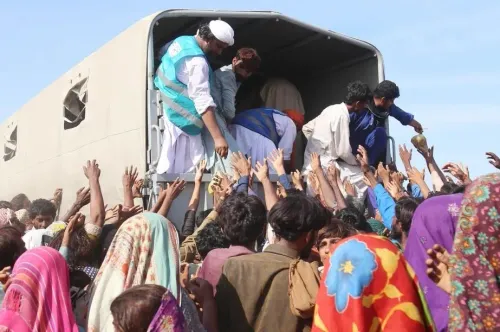
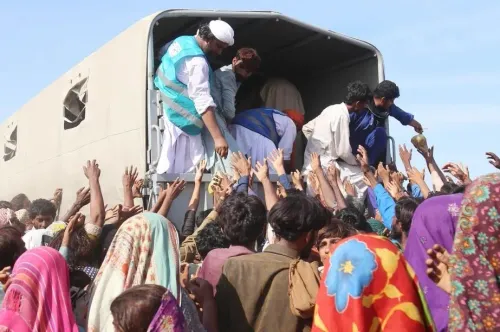
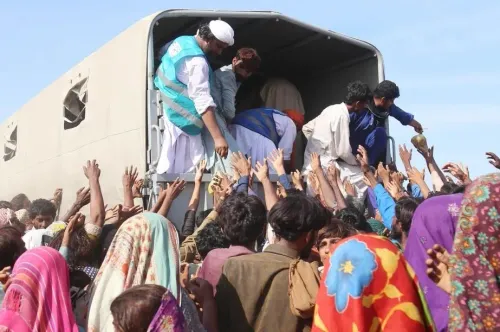
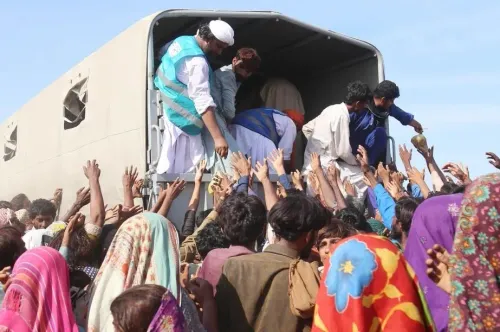
Monsoon floods and flash floods in 2025 affected over 6 million people , destroying crops and supply chains.
Inflation is projected to rise to around 6 per cent , eroding food affordability across the country.
A sustained oil price near $100 per barrel could impose a current-account stress of Rs 1.38 trillion and a fiscal hit of Rs 459 billion on Pakistan.
The Human Rights Council of Pakistan has called the fuel price hike an 'economic suicide attack.'
Pakistan has been listed among the world's ten most severe hunger hotspots in the Global Report on Food Crises (GRFC) 2026, facing a dangerous convergence of climate shocks, economic fragility, and surging inflation, according to a new report. The findings underscore a deepening humanitarian crisis in the country, compounded by fresh pressure from rising global fuel prices.
Scale of Food Insecurity
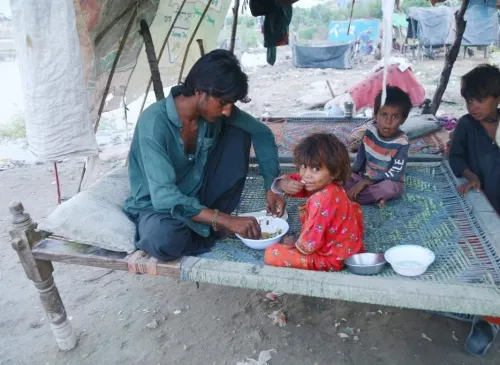
The GRFC 2026 found that nearly 11 million people in Pakistan experienced high levels of acute food insecurity in 2025. Of these, 9.3 million were classified in 'crisis' conditions, while 1.7 million fell into the more severe 'emergency' category — a distinction that signals imminent risk of famine-like conditions at the household level.
Climate Shocks Disrupting Agriculture
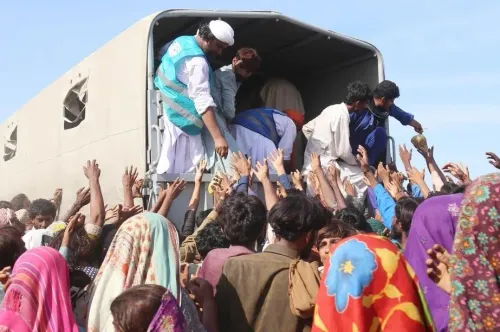
Heavy monsoon rains and flash floods in 2025 affected over 6 million people, destroying crops and infrastructure while severely disrupting food distribution networks. According to the report, 'the persistence of extreme weather events has introduced a degree of unpredictability into agricultural cycles, further complicating planning and recovery efforts.'
Inflation and the Fuel Price Spiral
Inflation in Pakistan is projected to rise to around 6 per cent, eroding purchasing power and limiting access to affordable food. Surging fuel prices — driven in part by the ongoing Middle East conflict — have added a fresh layer of stress to an already strained economy, according to the Maldives Insight report.
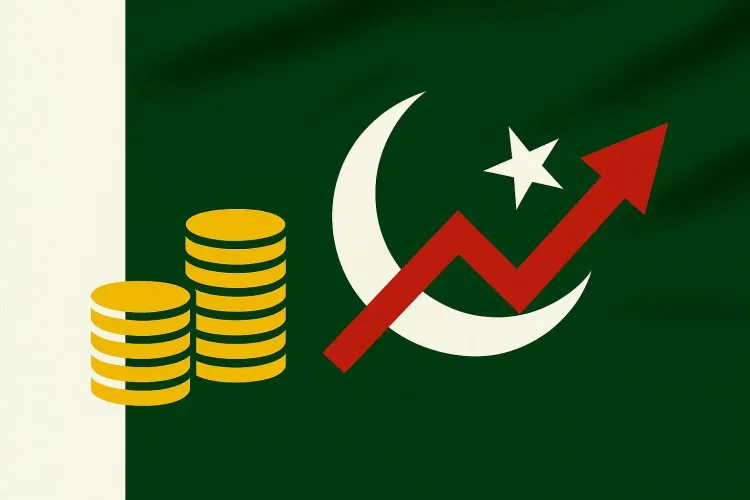
The Human Rights Council of Pakistan warned that the fuel price hike amounts to an 'economic suicide attack' that will trigger a fresh wave of inflation. Analysts have estimated that a sustained oil price near $100 per barrel could translate into a full-year stress of around Rs 1.38 trillion on Pakistan's current account and a fiscal hit of about Rs 459 billion, based on Pakistan's nominal GDP in FY25 of approximately Rs 114.7 trillion. A fuel price shock, according to a separate report, would worsen Pakistan's current-account balance by about 0.3 percentage points of GDP and its fiscal balance by about 0.1 percentage points, with much of the burden likely to spill into FY27 if prices remain elevated.
A Reinforcing Feedback Loop
The Maldives Insight report warned that these crises are not isolated — they are mutually reinforcing. 'This dynamic has created a feedback loop in which economic stress exacerbates food insecurity, which in turn deepens economic hardship,' the report noted. This cycle is particularly acute in rural and flood-affected regions where agricultural livelihoods have already been disrupted.
What Comes Next
With monsoon season approaching and global oil markets remaining volatile amid the Middle East conflict, Pakistan's food and economic outlook for 2026 remains precarious. Analysts warn that without targeted fiscal relief and international humanitarian support, the number of people in emergency-level food insecurity could rise significantly in the coming months.
Point of View
Which deepens economic hardship. That cycle, once entrenched, is extraordinarily difficult to break without large-scale external intervention. The fuel price dimension adds a geopolitical variable Islamabad cannot control — and the Rs 1.38 trillion current-account stress estimate, if realised, would arrive on top of an already fragile IMF-dependent fiscal position. The humanitarian numbers will likely worsen before they improve.
NationPress
21 Sept 2026
Frequently Asked Questions
Why has Pakistan been listed among the world's top 10 hunger hotspots in 2026?
Pakistan has been included in the Global Report on Food Crises (GRFC) 2026's list of the ten most severe hunger hotspots due to a combination of climate shocks, economic fragility, and rising inflation. Nearly 11 million people in the country experienced acute food insecurity in 2025, with 1.7 million in the most severe 'emergency' category.
How many people in Pakistan are facing acute food insecurity?
According to the GRFC 2026, nearly 11 million people in Pakistan faced high levels of acute food insecurity in 2025. Of these, 9.3 million were in 'crisis' conditions and 1.7 million were in the more severe 'emergency' category.
How have floods worsened Pakistan's food crisis?
Heavy monsoon rains and flash floods in 2025 affected over 6 million people in Pakistan, destroying crops, damaging infrastructure, and disrupting food distribution networks. The report notes that recurring extreme weather events have made agricultural planning and recovery increasingly difficult.
What is the economic impact of rising fuel prices on Pakistan?
Analysts estimate that a sustained oil price near $100 per barrel could impose a current-account stress of approximately Rs 1.38 trillion and a fiscal hit of about Rs 459 billion on Pakistan, based on its FY25 nominal GDP of Rs 114.7 trillion. A fuel price shock could also worsen the current-account balance by 0.3 percentage points of GDP, with spillover effects likely into FY27.
What is the feedback loop described in the report?
The Maldives Insight report describes a self-reinforcing cycle in which economic stress exacerbates food insecurity, which in turn deepens economic hardship. This dynamic is particularly severe in flood-affected and rural areas where agricultural livelihoods have already been destroyed.