Pakistan among top 10 acute food insecurity nations: UN report flags agriculture crisis
Synopsis
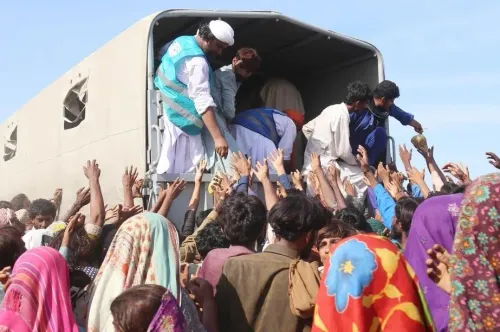
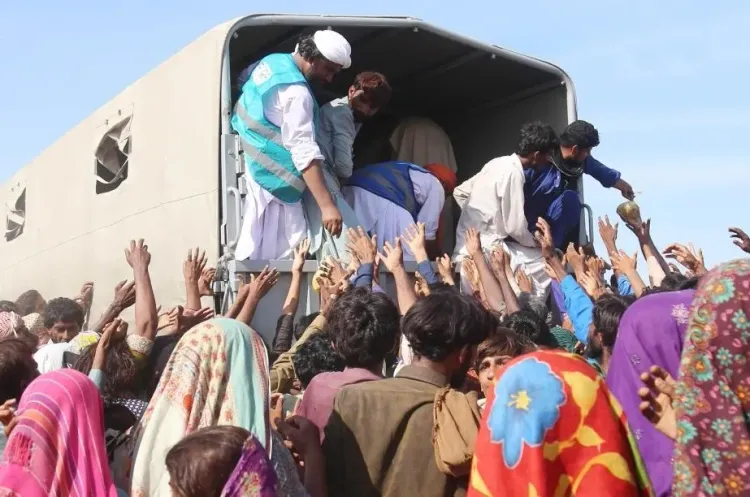
Despite having one of South Asia's largest agricultural bases, Pakistan ranks among the world's top 10 hunger hotspots — a paradox the 2026 Global Report on Food Crises attributes to structural agricultural failures, relentless climate shocks, and economic fragility that together trap over 11 million people in acute food insecurity.
Key Takeaways
The 2026 Global Report on Food Crises names Pakistan among 10 countries with the highest concentration of acute food insecurity.
More than 11 million people face acute food insecurity — 9.3 million in crisis and 1.7 million in emergency conditions.
Recurrent floods and extreme weather in Balochistan , Khyber Pakhtunkhwa , and Sindh are key drivers.
Data coverage expanded from 43 to 68 rural districts, adding over 14 million people to the assessed population.
Pakistan's inflation is projected to rise to 6 per cent in 2026 , further straining food access.
Co-listed nations include Afghanistan , Sudan , Syria , and Yemen .
A United Nations-backed report has named Pakistan among 10 countries where acute food insecurity is most concentrated, attributing the crisis to deep-rooted weaknesses in the country's agriculture sector, compounded by repeated climate shocks and persistent economic fragility. The findings are part of the 2026 Global Report on Food Crises, published in April 2025.
Scale of the Crisis
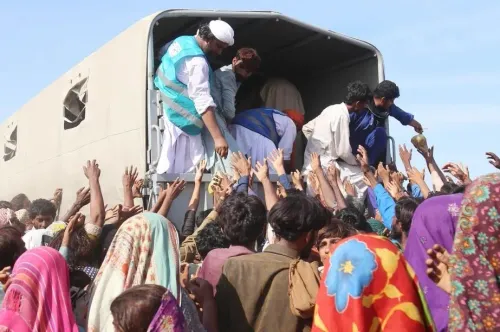
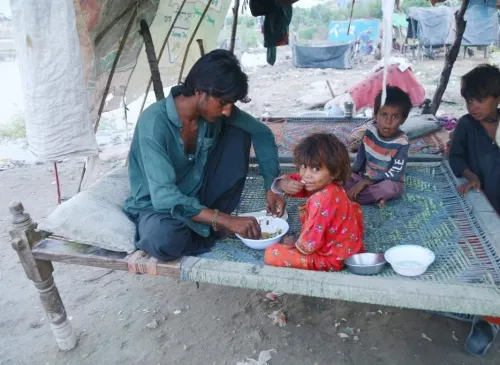
According to the report, more than 11 million people in Pakistan continue to face acute food insecurity — including 9.3 million classified under crisis conditions and 1.7 million in emergency conditions. The report characterises food insecurity in Pakistan as chronic rather than temporary or cyclical, pointing to a thin margin of resilience across affected communities.
Notably, fewer people were placed in the most severe categories in 2025 compared to the previous year, suggesting that emergency humanitarian responses and some stabilisation in food prices may have had a limited positive impact, according to an editorial in Pakistan's daily Dawn.
Climate Shocks as a Force Multiplier
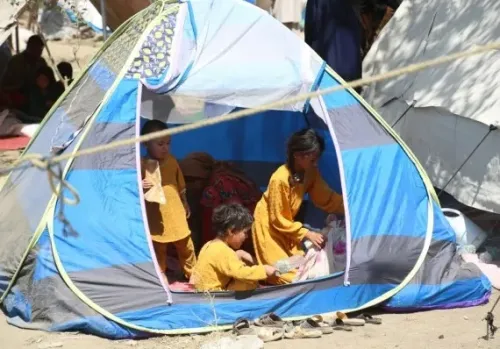
Climate volatility continues to drive vulnerability across Pakistan's rural landscape. Recurrent floods and extreme weather events have damaged crops and disrupted rural livelihoods, pushing already vulnerable populations into cycles of asset depletion and dependency.
These shocks carry a compounding effect in Pakistan's provinces of Balochistan, Khyber Pakhtunkhwa, and Sindh, where pre-existing deprivation already limits access to healthcare, nutrition, and clean water. The report also includes Pakistan in its analysis of malnutrition risk pathways, highlighting vulnerabilities linked to diet, healthcare access, water and sanitation, and disease burden.
Economic Fragility Deepens the Problem
Food insecurity is also taking a measurable toll on Pakistan's national economy. A rising food import bill is placing additional pressure on an already strained external account, while a malnourished workforce is reportedly impacting productivity and long-term growth prospects, according to the Dawn editorial.
The report projects that inflation in Pakistan will rise to 6 per cent in 2026, adding further strain to household food access. This comes amid an already fragile macroeconomic environment marked by recurring balance-of-payments stress.
Expanded Data Coverage Reveals Deeper Reach
Pakistan's inclusion in the top 10 nations also reflects a significant expansion in data coverage. The analysis was extended from 43 rural districts in 2024 to 68 districts in 2025, covering areas across Balochistan, Khyber Pakhtunkhwa, and Sindh. As a result, the share of Pakistan's population included in the analysis rose from 16 per cent to 21 per cent, adding more than 14 million people to the assessed population. The report notes that Pakistan's ranking reflects both the severity of need and the improved breadth of data.
Pakistan's Peers in the Global Top 10
The 2026 Global Report on Food Crises lists Pakistan alongside Afghanistan, Bangladesh, Congo, Myanmar, Nigeria, South Sudan, Sudan, Syria, and Yemen as primary centres of acute hunger globally. Pakistan's inclusion in this group — despite having a large agricultural base — underscores a structural disconnect between agricultural potential and food security outcomes.
With inflation projected to climb and climate risks showing no sign of abating, Pakistan's food security trajectory will depend heavily on whether structural agricultural reforms and climate adaptation investments materialise in the near term.
Point of View
Syria, and Yemen is a damning indictment — not of a country at war, but of one that has chronically under-invested in agricultural resilience while repeatedly absorbing climate shocks with no structural buffer. The expansion of data coverage from 43 to 68 districts partly explains the higher numbers, but it does not explain away the underlying reality: over 11 million people in a country with vast farmland cannot reliably feed themselves. Successive governments have treated agriculture as a vote-bank issue rather than a food-security infrastructure challenge. Without land reform, irrigation modernisation, and climate-adaptive cropping systems, the next flood will simply reset whatever marginal gains emergency aid achieves.
NationPress
16 Sept 2026
Frequently Asked Questions
Why has Pakistan been listed among the top 10 most food-insecure countries?
Pakistan has been listed because of deep-rooted weaknesses in its agriculture sector, compounded by repeated climate shocks and persistent economic fragility. The 2026 Global Report on Food Crises identifies the country's food insecurity as chronic rather than temporary, with over 11 million people facing acute hunger.
How many people in Pakistan face acute food insecurity according to the UN report?
More than 11 million people in Pakistan face acute food insecurity — 9.3 million classified under crisis conditions and 1.7 million in emergency conditions, according to the 2026 Global Report on Food Crises.
Which provinces in Pakistan are most affected by food insecurity?
Balochistan, Khyber Pakhtunkhwa, and Sindh are the most affected provinces. These regions face compounding effects of climate shocks, limited healthcare access, poor nutrition, and inadequate water and sanitation infrastructure.
Why did Pakistan's numbers appear higher in 2025 than in previous years?
The increase partly reflects expanded data coverage — the analysis grew from 43 rural districts in 2024 to 68 districts in 2025, adding over 14 million people to the assessed population. However, the report notes that fewer people were in the most severe categories compared to the previous year.
What is the economic impact of food insecurity on Pakistan?
Food insecurity is straining Pakistan's external account through a rising food import bill and reducing workforce productivity due to malnutrition. The report also projects inflation will rise to 6 per cent in 2026, adding further pressure on household food access.