Is 7.5 Million in Pakistan Facing Severe Food Insecurity?
Synopsis
A staggering report from the UN reveals that 7.5 million people in Pakistan are grappling with critical food insecurity. With urgent aid needed, the situation is dire after a year of climate disasters and rising violence. Discover the alarming trends affecting food access and the implications for education in this crucial analysis.
Key Takeaways
7.5 million people in Pakistan are facing high levels of food insecurity.
Emergency aid is crucial to prevent a catastrophe.
Household spending on food has decreased significantly.
Education costs are now largely borne by families.
Approximately 20 million children are out of school.
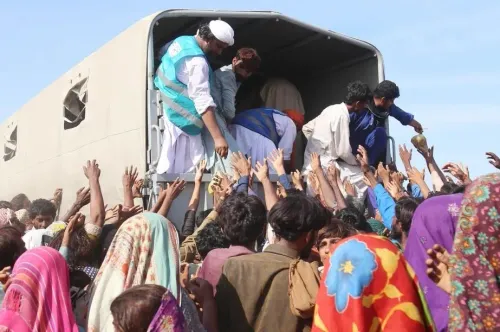
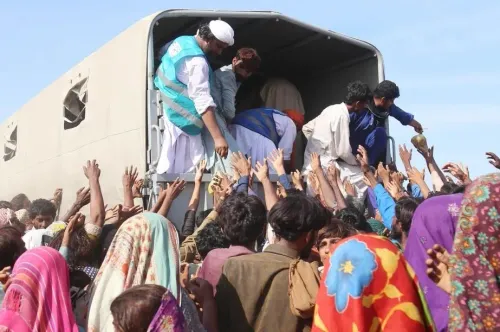
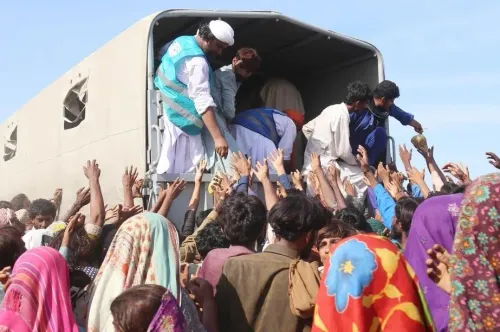
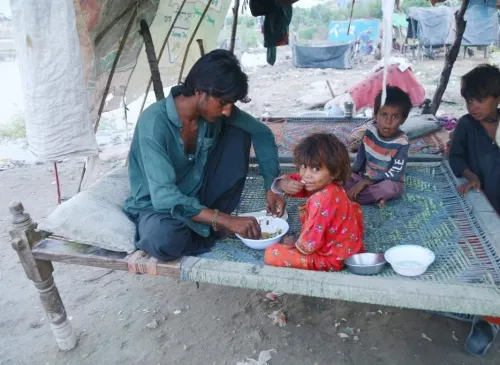
Islamabad, Feb 19 (NationPress) A recent evaluation by the United Nations (UN) has indicated that approximately 7.5 million individuals in Pakistan are confronting severe levels of food insecurity and malnutrition, following a year marked by intense monsoon floods, prolonged droughts, dry spells, and escalating violence.
Between December 2025 and March 2026, around 1.25 million people will experience 'emergency' levels of acute food insecurity, characterized by significant food shortages and high rates of acute malnutrition, as reported by the Integrated Food Security Phase Classification (IPC). Urgent lifesaving aid is essential to avert a potential catastrophe affecting over a million people in Pakistan facing critical food insecurity.
The lingering effects of the 2025 monsoon floods, drought, and localized violence have diminished agricultural and pastoral livelihoods, decreased production, disrupted markets, and strained coping abilities.
Moreover, seasonal factors have exacerbated the crisis, with the lean season curtailing farm labor and income opportunities while harsh winter conditions in certain regions have further hindered access and livelihoods, according to the UN's statement.
Access to food in some areas of Pakistan has been hindered by weak purchasing power, market dependence, price fluctuations, and rising debt, as indicated in the UN's statement. Wheat flour has been particularly highlighted as a major concern during the lean season.
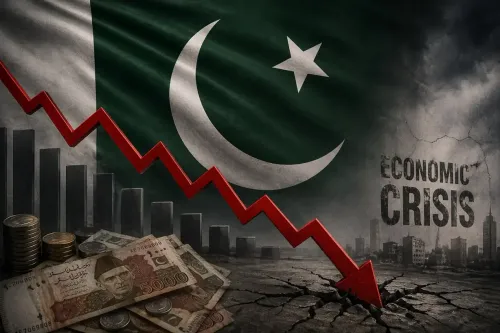
Last month, a report revealed that Pakistan is struggling to finance food and education. A 20-year comparison of household consumption in Pakistan indicates a structural reallocation of funds towards managing living costs rather than spending on food, as revealed by a new poll from Gallup Pakistan.
Data from the Household Integrated Economic Survey (HIES) shows that the percentage of household expenditure on food has decreased from 43 percent to 37 percent between 2005 and 2025. During the same period, spending on housing and utilities has surged from 15 percent to a quarter of household budgets, as noted in an editorial from Pakistan's leading daily, The News International.
According to the Gallup analysis, when viewed alongside declining real incomes and evidence of decreasing food quantities, this trend likely reflects households reducing food consumption to manage rising fixed expenses, such as housing and utilities, rather than food becoming more affordable. This is not the only analysis to suggest that Pakistanis are cutting back on food.
The HIES 2024-25 survey revealed that individuals experiencing moderate to severe food insecurity rose from one in six to one in four between 2018-19 and 2024-25, complicating survival for residents of Pakistan, with future prospects also appearing dim.
According to the Institute of Social and Policy Science (I-SAP)’s 15th annual report on ‘Public Financing of Education’, families are now shouldering the majority of education expenses; a first in the nation’s history. Of the total education cost of Rs 5.03 trillion, household spending accounts for PKR 2.8 trillion, while the public sector contributes PKR 2.23 trillion, as detailed in the editorial.
Household expenditures include PKR 1.31 trillion on private school fees, PKR 613 billion on tuition and shadow education, and PKR 878 billion on other costs. This disparity arises as families prefer the private education system for their children amidst significant concerns regarding the adequacy of the public education system.
Approximately 20 million children remain out of school, suggesting that only those who can afford private education will have access to learning opportunities in Pakistan, as noted by The News International.
Point of View
It is imperative to recognize the profound implications of the UN's assessment. The alarming rise in food insecurity and the significant burden of educational costs demand immediate attention from both the government and society. We must stand united to address these critical challenges faced by millions of our fellow citizens.
NationPress
2 Oct 2026
Frequently Asked Questions
What is the current food insecurity status in Pakistan?
According to the UN, approximately 7.5 million people in Pakistan are experiencing high levels of food insecurity.
What factors are contributing to food insecurity in Pakistan?
Factors include severe monsoon floods, prolonged droughts, escalating violence, and economic challenges.
How many people are expected to face emergency levels of food insecurity?
Around 1.25 million people are projected to face emergency levels of acute food insecurity from December 2025 to March 2026.
What has been the trend in household food expenditure in Pakistan?
The share of household expenditure on food has decreased from 43% to 37% between 2005 and 2025.
What is the current status of education expenses in Pakistan?
Families now bear the majority of education costs, with household spending reaching PKR 2.8 trillion.