Pakistan Among Top 10 Hunger-Hit Nations: 11 Million Face Food Crisis
Synopsis
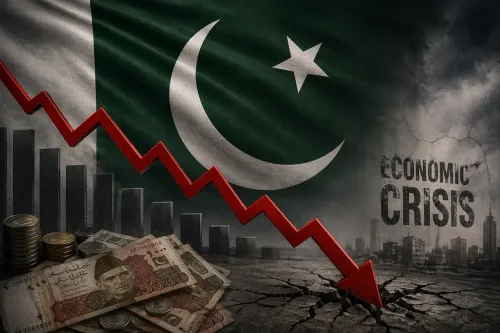
Pakistan has landed among the world's top 10 acute hunger nations in the UN-backed 2026 Global Report on Food Crises, with 11 million people facing severe food insecurity in 2025. Flash floods, inflation, and data gaps in Balochistan, Sindh, and KP paint a grim picture of a nation in deepening crisis.
Key Takeaways
Pakistan has been ranked among the world's top 10 nations facing acute food insecurity in the 2026 Global Report on Food Crises , a UN-backed assessment.
Approximately 11 million Pakistanis faced severe food insecurity in 2025 , with 9.3 million in 'crisis' and 1.7 million in 'emergency' conditions under the IPC scale.
Heavy monsoon rains and flash floods in 2025 affected over 6 million people , destroying cropland and infrastructure across Pakistan.
Balochistan, Sindh, and Khyber Pakhtunkhwa are flagged as high-risk nutrition zones, though Pakistan lacks formal severity data for 2025 nutrition outcomes.
Data coverage expanded from 43 districts in 2024 to 68 districts in 2025 , adding over 14 million people to the analysis and raising Pakistan's population coverage from 16% to 21% .
Pakistan's inflation is projected to reach 6 per cent in 2026 , threatening to deepen food access challenges for millions of vulnerable households.
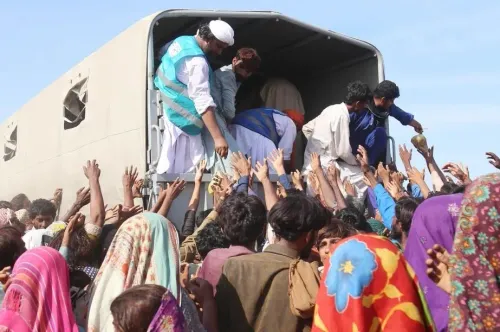
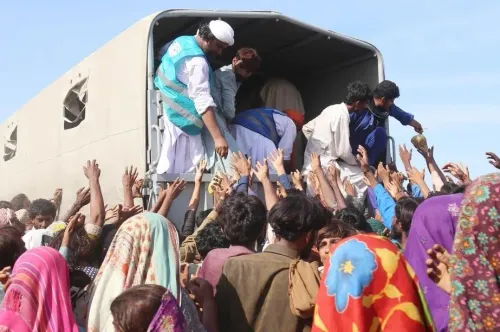
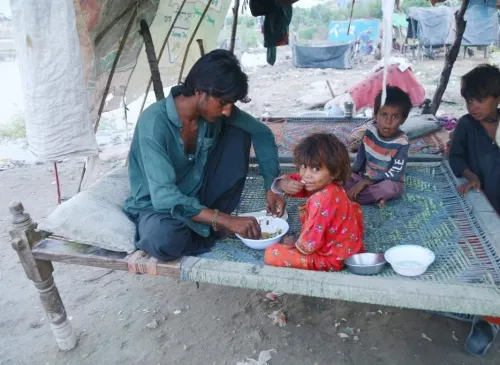
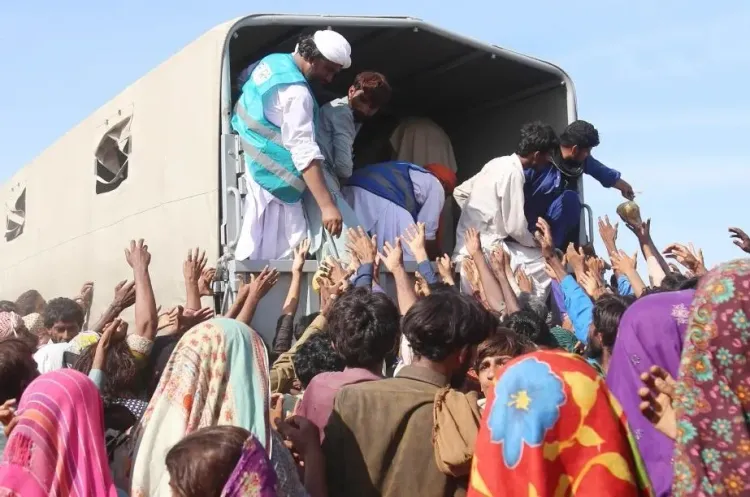
Pakistan has been placed among the world's top 10 most fragile nations suffering from acute food insecurity, according to the 2026 Global Report on Food Crises, a United Nations-backed assessment. The report identifies approximately 11 million Pakistanis as facing severe food insecurity in 2025, marking the country as one of the largest food crisis centres on the planet. The findings were reported by Pakistani daily Dawn and have drawn urgent international attention.
Pakistan Named Alongside World's Most Vulnerable Nations
The 2026 Global Report on Food Crises lists Pakistan alongside Afghanistan, Bangladesh, Congo, Myanmar, Nigeria, South Sudan, Sudan, Syria, and Yemen — countries where acute hunger is most concentrated globally. This grouping places Pakistan in deeply troubling company, nations that are either embroiled in active conflict, extreme poverty, or systemic governance collapse.
Of the 11 million Pakistanis identified as severely food insecure, 9.3 million were classified under "crisis" conditions, while 1.7 million were placed in the "emergency" category — the two most severe classifications under the Integrated Food Security Phase Classification (IPC) system, stopping just short of a formal famine declaration.
The IPC framework defines a food crisis as any situation requiring urgent intervention to protect lives and livelihoods. Acute food insecurity, as defined in the report, occurs when food access becomes so severely restricted that it directly threatens human survival.
Floods, Climate Shocks Driving Pakistan's Food Emergency
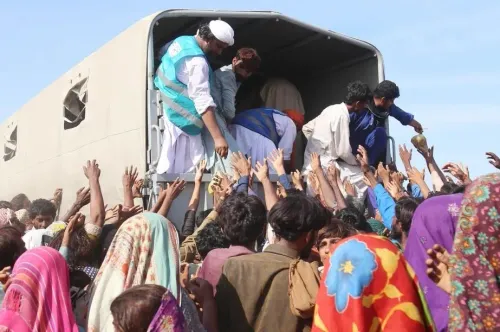
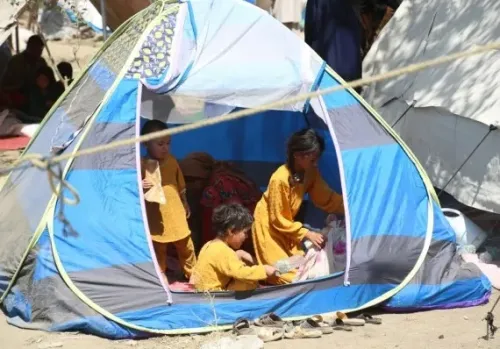
The report identifies extreme weather events as a persistent and worsening driver of food insecurity across Pakistan. In 2025, heavy monsoon rains and flash floods affected more than 6 million people, causing widespread destruction of cropland and critical infrastructure.
This is not an isolated phenomenon. Pakistan has been battered by catastrophic flooding repeatedly in recent years — most devastatingly in 2022, when one-third of the country was submerged, displacing over 33 million people and wiping out vast agricultural output. The 2025 floods represent a continuation of this climate-driven cycle that Pakistan's fragile agricultural economy has been unable to absorb.
The report warns that inflation in Pakistan is projected to rise to 6 per cent in 2026, which will place additional strain on already-stretched household food budgets, particularly among the urban and rural poor.
Balochistan, Sindh, and KP Flagged as Nutrition Crisis Zones
The report's nutrition analysis specifically identifies Balochistan, Sindh, and Khyber Pakhtunkhwa (KP) as areas of acute concern. These provinces are among Pakistan's most underdeveloped and have historically suffered from poor healthcare access, inadequate sanitation, and chronic malnutrition.
Despite the gravity of the situation, Pakistan lacks sufficient recent data to be assigned a formal nutrition severity classification for 2025, placing it among countries with "no severity data" for nutrition outcomes. This data gap itself is alarming — it suggests that the full scale of the malnutrition crisis may be significantly underreported.
The report also flags Pakistan's vulnerabilities across multiple malnutrition risk pathways, including poor diet quality, limited healthcare access, inadequate water and sanitation systems, and high disease burden — a convergence of factors that compound the food insecurity emergency.
Expanded Data Coverage Reveals True Scale of Crisis
A critical aspect of Pakistan's prominent placement in the report is the expansion of analytical coverage. The assessment was extended from 43 rural districts in 2024 to 68 districts in 2025, now encompassing broader areas of Balochistan, Khyber Pakhtunkhwa, and Sindh.
As a result, the share of Pakistan's population included in the analysis grew from 16 per cent to 21 per cent, adding more than 14 million additional people to the data pool. This means Pakistan's ranking reflects both the genuine severity of need and the improved visibility of previously undocumented suffering.
Critics argue this is a double-edged finding — while better data is welcome, it also exposes how vast swathes of Pakistan's most vulnerable populations had been invisible to global monitoring systems for years, raising serious questions about governance accountability and resource allocation.
Broader Implications: Pakistan's Hunger Crisis in Global Context
Pakistan's inclusion in this list alongside conflict-ravaged nations like Sudan, Syria, and Yemen is a stark indictment of structural failures that go beyond weather and geography. The country spends a disproportionate share of its national budget on debt servicing and defence, while social protection, agriculture investment, and rural infrastructure remain chronically underfunded.
This comes amid Pakistan's ongoing engagement with the International Monetary Fund (IMF) for financial bailouts, with austerity measures squeezing public spending further. The irony is sharp: a nation seeking global financial rescue is simultaneously home to 11 million people who cannot reliably access food.
As the 2026 Global Report on Food Crises circulates among international donors and policymakers, pressure will mount on Islamabad to prioritise food security, strengthen early warning systems, and channel climate adaptation funding toward frontline agricultural communities. The next monsoon season will be a critical test of whether Pakistan has learned from the recurring devastation of recent years.
Point of View
It signals a systemic failure of accountability. India and the international community should watch closely — food insecurity at this scale, combined with economic instability, has historically been a precursor to serious internal and regional instability.
NationPress
26 Sept 2026
Frequently Asked Questions
Why is Pakistan ranked among the top 10 hunger-affected nations in 2025?
Pakistan is ranked among the world's top 10 nations facing acute hunger due to approximately 11 million people experiencing severe food insecurity in 2025, as documented in the UN-backed 2026 Global Report on Food Crises. Key drivers include devastating monsoon floods, crop destruction, and rising inflation, compounded by chronic underfunding of agriculture and social protection.
How many people in Pakistan are facing food insecurity in 2025?
Around 11 million people in Pakistan faced severe food insecurity in 2025. Of these, 9.3 million were classified in 'crisis' conditions and 1.7 million in 'emergency' — the two most severe IPC categories before a formal famine declaration.
Which provinces in Pakistan are most affected by food and nutrition crises?
Balochistan, Sindh, and Khyber Pakhtunkhwa (KP) are identified as areas of acute nutrition concern in the 2026 Global Report on Food Crises. These regions face compounding vulnerabilities including poor diet, limited healthcare, inadequate sanitation, and high disease burden.
What role did floods play in Pakistan's food crisis?
Heavy monsoon rains and flash floods in 2025 affected more than 6 million people in Pakistan, destroying cropland and critical infrastructure. Extreme weather has been identified as a continuing and worsening driver of food insecurity in the country, echoing the catastrophic 2022 floods.
What is the IPC classification system used in the food crisis report?
The Integrated Food Security Phase Classification (IPC) is a global framework used to measure the severity of food insecurity. It defines a food crisis as a situation requiring urgent action to protect lives, with 'crisis' and 'emergency' being the most severe phases before famine is formally declared.