Pakistan measles deaths: 71 children killed in first four months of 2026
Synopsis
Pakistan has recorded 71 measles deaths and over 4,500 cases in just the first four months of 2026 — a preventable toll driven by more than one million unvaccinated 'zero-dose' children. With Sindh accounting for more than half the deaths and vaccine hesitancy cited as a structural barrier, the crisis exposes deep failures in public health outreach that go well beyond geography.
Key Takeaways
71 children have died of measles in Pakistan in the first four months of 2026 .
Sindh recorded the most deaths at 40 , followed by Punjab and Khyber Pakhtunkhwa with 12 each , and Balochistan with 4 .
A total of 4,541 measles cases were reported nationally; Khyber Pakhtunkhwa led with 1,712 cases .
Pakistan has over one million 'zero-dose' children and ranks among the top 10 countries globally for unvaccinated children.
The government offers free MR vaccines at public health centres, but vaccine hesitancy and stigma continue to hinder uptake.
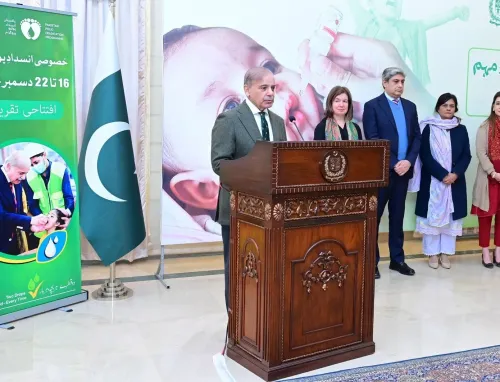
At least 71 children have died due to measles in Pakistan in the first four months of 2026, even as the government runs awareness campaigns to improve healthcare literacy and vaccine knowledge during the ongoing World Immunisation Week, according to a report. The deaths come amid persistently low vaccination rates that international health bodies had flagged as a warning sign as early as 2025.
Provincial Breakdown of Deaths and Cases
Sindh recorded the highest number of fatalities with 40 deaths, followed by Punjab and Khyber Pakhtunkhwa with 12 each, and Balochistan with four, according to official figures cited by Pakistan's Dawn. A total of 4,541 measles cases were reported across Pakistan in the same period. Khyber Pakhtunkhwa led case counts with 1,712, followed by Punjab with 1,198 and Sindh with 1,183. Islamabad reported 55 cases, Pakistan-occupied Kashmir recorded 151, and Pakistan-occupied Gilgit-Baltistan (PoGB) accounted for 45, while Balochistan reported just 17.
The Vaccine Hesitancy Problem
An editorial in Pakistan's leading daily The Express Tribune highlighted that vaccine hesitancy remains a critical barrier to controlling the outbreak. The paper noted that there are currently over one million 'zero-dose' children in Pakistan — children who have never received a single vaccination. "For certain regions, healthcare accessibility causes the persistence of such a large number, but oftentimes, it is the stigmas attached to vaccines," the editorial stated.
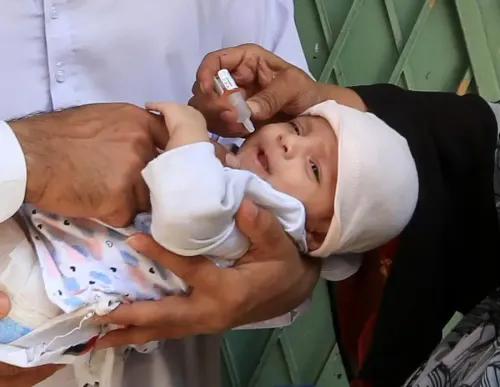
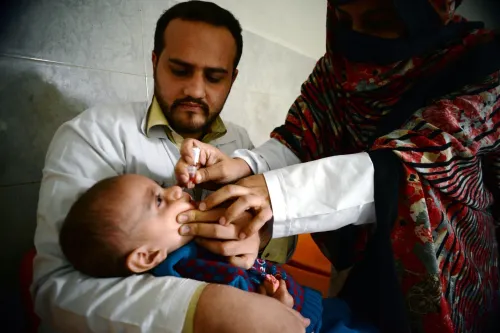
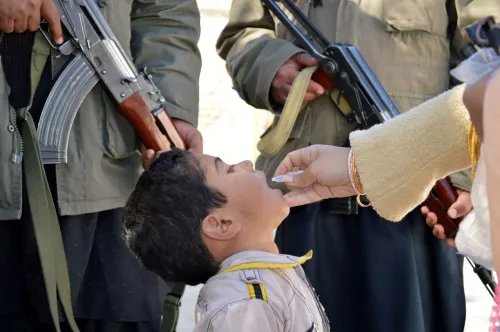
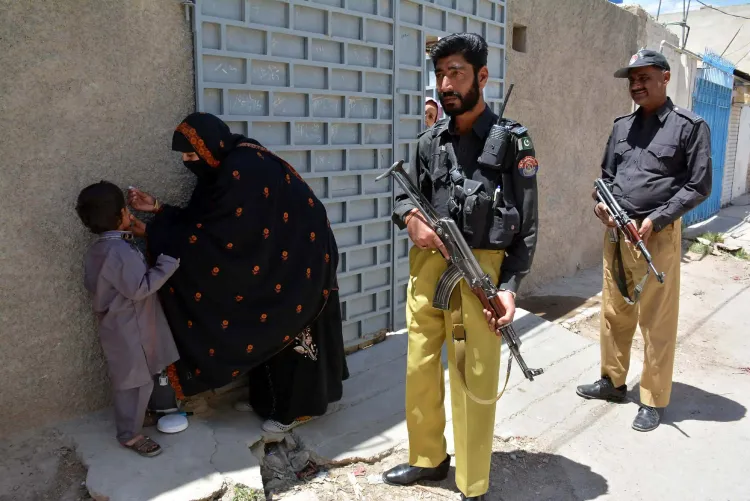
Pakistan has been named among the top 10 countries globally with the highest number of zero-dose children. The government provides free MR (Measles and Rubella) vaccines at public health centres during vaccination campaigns, but public hesitancy continues to undermine outreach efforts.
Why Measles Remains Deadly
Measles is a highly contagious viral disease and remains one of the leading causes of death among young children worldwide, despite being entirely preventable through vaccination. Lower vaccination rates — as predicted in 2025 — have already begun affecting the international community's ability to contain the spread of such preventable diseases. This is not the first time Pakistan has faced a measles surge; recurring outbreaks have been linked to gaps in immunisation coverage, particularly in remote and conflict-affected regions.
Government Response and What Comes Next
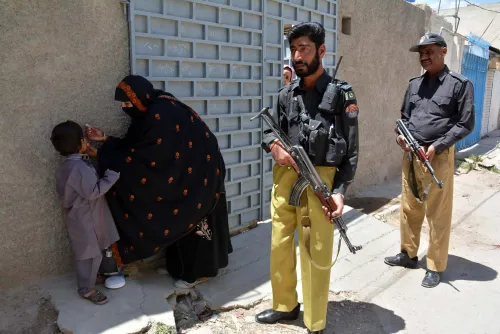
The Pakistani government is currently holding awareness drives aligned with World Immunisation Week to boost vaccine uptake. However, experts and media commentators argue that larger, more sustained campaigns are needed — particularly to reach children in the country's remotest areas. Without a significant improvement in zero-dose coverage, health officials warn that further outbreaks of preventable diseases remain a serious risk through the rest of 2026.
Point of View
Yet over a million children remain zero-dose. Recurring outbreaks follow a predictable pattern: under-resourced outreach, stigma left unaddressed, and official campaigns that spike during awareness weeks but lack year-round follow-through. The provincial disparity is also telling — Sindh's 40 deaths against Balochistan's 4 cases suggest that the crisis is as much about governance and community engagement as it is about geography. Until Pakistan treats vaccine hesitancy as a structural public health challenge rather than a communication footnote, these numbers will keep returning.
NationPress
27 Sept 2026
Frequently Asked Questions
How many children have died of measles in Pakistan in 2026?
At least 71 children have died due to measles in Pakistan in the first four months of 2026, according to official figures cited by Pakistan's Dawn. Sindh recorded the highest number of deaths at 40.
Which province in Pakistan has the most measles cases in 2026?
Khyber Pakhtunkhwa reported the highest number of measles cases at 1,712 in the first four months of 2026, followed by Punjab with 1,198 and Sindh with 1,183. However, Sindh led in deaths with 40 fatalities.
Why is measles still killing children in Pakistan despite vaccines being available?
Vaccine hesitancy and social stigma are key barriers, according to an editorial in The Express Tribune. While the Pakistani government provides free MR vaccines at public health centres, public reluctance to vaccinate remains a significant hindrance to achieving adequate coverage.
How many zero-dose children are there in Pakistan?
Pakistan currently has over one million 'zero-dose' children — those who have never received any vaccination. The country is ranked among the top 10 nations globally with the highest number of unvaccinated children.
What is the Pakistani government doing to address the measles outbreak?
The government is conducting awareness campaigns during World Immunisation Week to improve healthcare literacy and vaccine knowledge. Free MR (Measles and Rubella) vaccines are being provided at public health centres, though experts say larger, sustained outreach is needed to reach children in remote areas.