Acute Food Insecurity Affects 7.5 Million in Pakistan
Synopsis
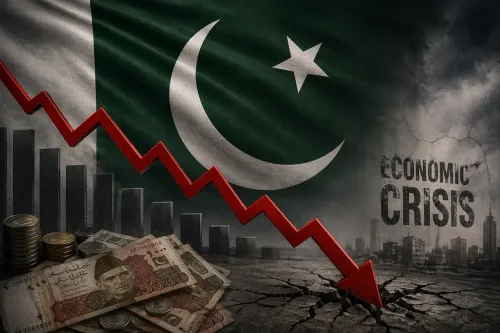
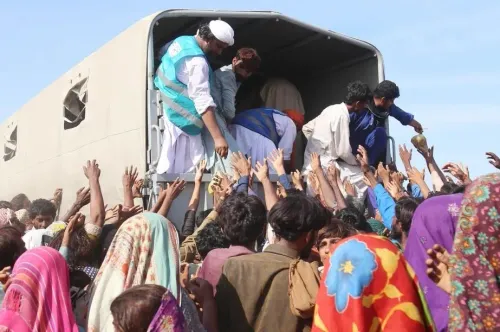
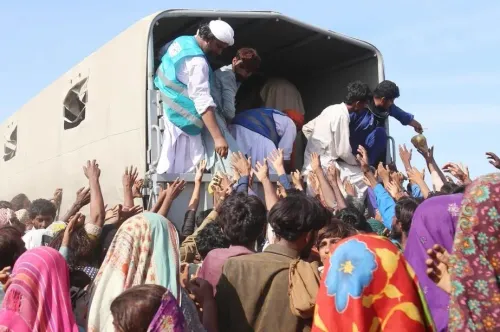
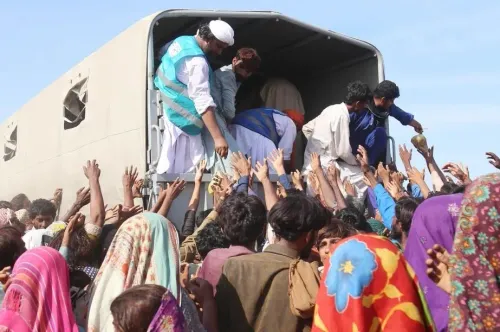
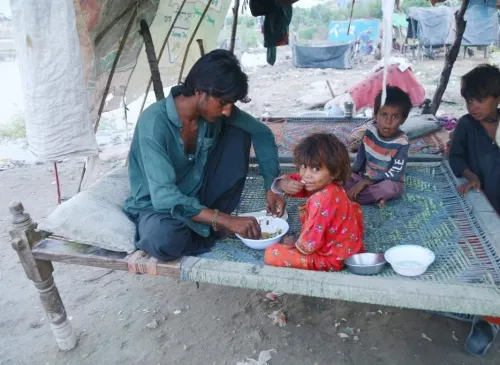
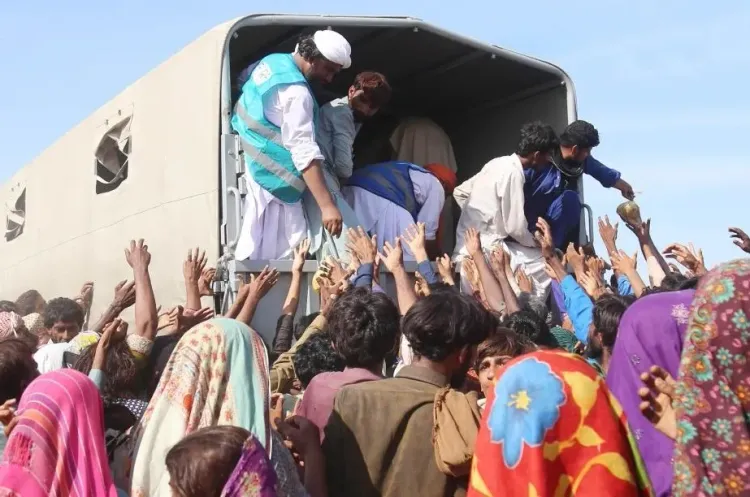
A staggering **7.5 million people** in Pakistan are facing acute food insecurity, with **1.25 million** in emergency conditions. The recent IPC analysis highlights the dire situation, revealing the impact of past floods, droughts, and rising living costs on food security.
Key Takeaways
7.5 million people in Pakistan face acute food insecurity.
1.25 million are in emergency conditions.
Factors include past floods and drought.
Household food expenditure decreased from 43% to 37% .
Future food security remains uncertain.
Islamabad, February 24 (NationPress) - A recent analysis from the Integrated Food Security Phase Classification (IPC) has highlighted that 7.5 million individuals, representing 21% of the examined population, are grappling with crisis-level or more severe acute food insecurity from December of last year through March 2026. Among these, 1.25 million are facing emergency conditions, indicating significant food shortages and rising malnutrition, according to a report.
The findings indicate that numerous families are unable to fulfill their basic food requirements without resorting to harmful coping mechanisms. This survey focused on selected vulnerable rural regions in Balochistan, Sindh, and Khyber Pakhtunkhwa and is pending formal approval from provincial authorities, as noted in an editorial by Pakistan’s prominent daily, Dawn.
The editorial pointed out that the lingering effects of the 2025 monsoon floods, prolonged periods of drought, and localized security issues have adversely affected agricultural and pastoral income in Pakistan. Factors such as lean-season dynamics, inflated wheat flour prices, high fuel and transportation costs, and a heavy reliance on markets are diminishing buying power. Many households are reporting an increase in debt levels. Water scarcity, crop diseases, and high input costs are limiting agricultural output, while trade disruptions and insecurity are exacerbating issues in the border regions of Pakistan.
A slight improvement is anticipated following the wheat harvest and seasonal livestock sales, with 6.7 million people expected to experience ‘crisis’ levels or worse between April and September. The Dawn editorial emphasizes that in Pakistan, the central issue is access rather than availability.
A report released last month underscored Pakistan's struggle to afford essential food and education. A comparative analysis over the past 20 years reveals a significant shift in household spending towards managing living expenses rather than food, as indicated by a recent Gallup Pakistan survey.
Data from the Household Integrated Economic Survey (HIES) indicates that the proportion of household expenditure on food has decreased from 43% to 37% between 2005 and 2025. During the same timeframe, spending on housing and utilities has risen from 15% to a quarter of household budgets, according to an editorial in 'The News International.'
“Gallup's analysis suggests that, in light of declining real incomes and diminishing food quantities, this trend reflects families reducing food consumption to manage escalating fixed costs, such as housing and utilities, rather than food becoming more affordable. This trend has been corroborated by various analyses highlighting that Pakistanis are increasingly cutting back on their food intake,” the report stated.
The HIES 2024-25 survey revealed a stark increase in individuals experiencing moderate to severe food insecurity, rising from one in six to one in four between 2018-19 and 2024-25, making it increasingly difficult for the populace to sustain themselves, with grim prospects for the future.
“The Institute of Social and Policy Science (I-SAP) reported that families are now responsible for the majority of education expenditures—a first in the nation’s history. Of the total education cost of Rs 5.03 trillion, households contribute PKR 2.8 trillion, while public funding amounts to PKR 2.23 trillion,” the editorial in The News International elaborated.
Household expenditures include PKR 1.31 trillion on private school fees, PKR 613 billion on tuition and supplementary education, and PKR 878 billion on various expenses. This disparity arises as families increasingly prefer private education for their children amidst ongoing challenges with the public education system.
Point of View
It is imperative to recognize the alarming levels of food insecurity in Pakistan, which not only threaten the immediate well-being of millions but also pose long-term challenges for the nation's stability and development. The government and stakeholders must prioritize solutions to alleviate this crisis.
NationPress
19 Sept 2026
Frequently Asked Questions
What percentage of Pakistan's population is facing food insecurity?
Approximately **21%** of the assessed population, equating to **7.5 million** individuals, are experiencing food insecurity.
How many people are in emergency food conditions in Pakistan?
Currently, **1.25 million** people are classified under emergency food conditions, indicating severe shortages.
What factors contribute to food insecurity in Pakistan?
Contributing factors include residual damage from past floods, prolonged droughts, high food prices, and local insecurities affecting incomes.
How has household spending on food changed over the years?
Household spending on food has decreased from **43%** to **37%** of total expenditures from **2005 to 2025**.
What is the future outlook for food security in Pakistan?
While some easing is expected post-harvest, **6.7 million** people may still face crisis-level food insecurity between April and September.