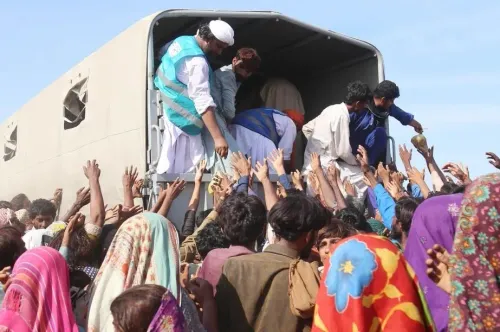
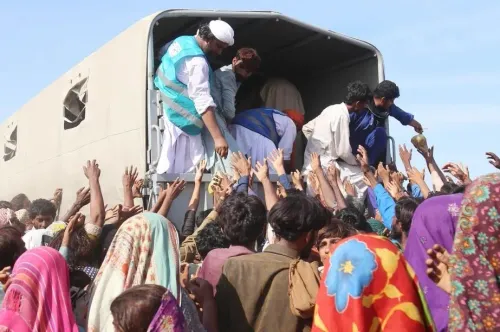
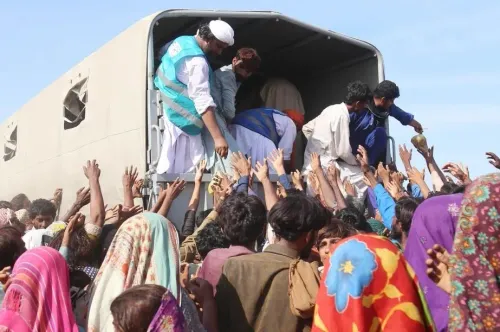
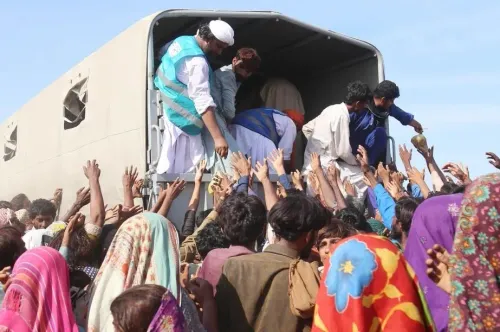
Is Pakistan Facing a Food Crisis That Affects Everyone?
Synopsis
Pakistan is currently facing a dire food crisis, with alarming statistics showing that urban areas are not exempt from growing food insecurity. This situation poses significant challenges for households across all income levels, highlighting the urgent need for government intervention and systemic reforms.
Key Takeaways
Food insecurity in Pakistan has risen sharply, affecting urban areas significantly.
One in four individuals now faces moderate-to-severe food shortages.
Inflation and economic challenges are primary drivers of this crisis.
Government action is critical to mitigate the impact on vulnerable populations.
Long-term reforms in the agricultural sector are necessary for stability.
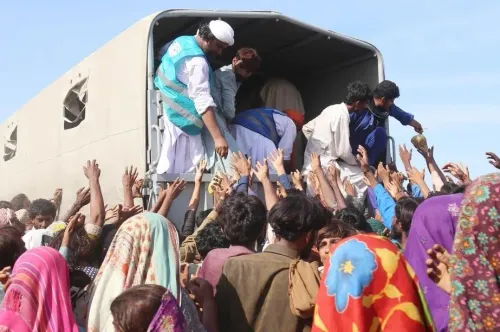
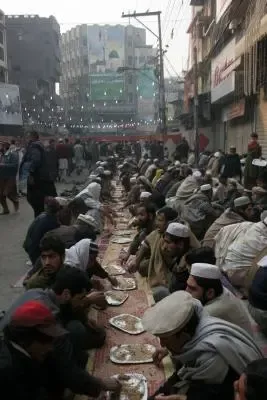
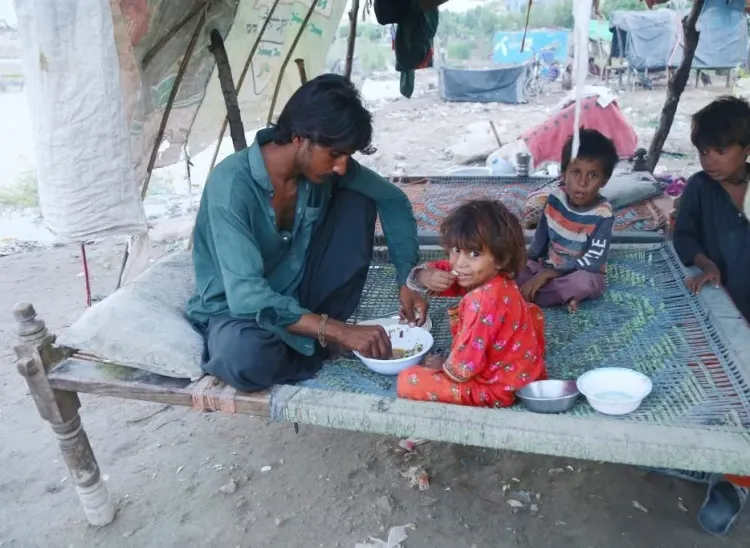
New Delhi, Jan 8 (NationPress) The recently released Household Integrated Economic Survey (HIES 2024-25) from Pakistan reveals a troubling surge in household food insecurity. Approximately one in four individuals is projected to face moderate-to-severe food insecurity in 2024-25, escalating from roughly one in six in 2018-19, as noted in a report from the Pakistani media.
Moderate-to-severe food insecurity has increased by an alarming 8.43 percent during this timeframe, rising from 15.92 percent in 2018-19 to 24.35 percent in 2024-25, according to The News Pakistan.
This marks a staggering relative increase of 53.0 percent over just six years.
Severe food insecurity alone has jumped from 2.37 percent to 5.04 percent. Consequently, Pakistan appears to be grappling with a severe hunger crisis. Interestingly, while hunger and poverty are traditionally associated with rural regions, the rise in food insecurity is more pronounced in urban areas.
In urban settings, moderate-to-severe food insecurity has more than doubled to 20.58 percent, compared to a 39.0 percent increase in rural areas. Severe food insecurity now affects urban populations (at 5.12 percent) more than rural ones (at 4.99 percent). This discrepancy is believed to stem from high inflation and diminishing purchasing power, as highlighted in the article.
Among the provinces, Balochistan tops the list with the highest rates of moderate-to-severe food insecurity, followed closely by Sindh. Surprisingly, Punjab ranks third, despite its much-discussed Rs14 roti price, surpassing Khyber Pakhtunkhwa.
The data indicates that the lowest 20.0 percent of households by income experience the highest level of moderate or severe food insecurity at 45.97 percent. Shockingly, even among the top 20.0 percent of income earners, which includes a significant portion of the middle class, the rate stands at 8.95 percent. This illustrates the harsh economic reality in Pakistan, where even the relatively affluent are not immune to hunger.
Factors such as the COVID-19 pandemic, the devastating floods of 2022, and rampant inflation are cited as contributors to this crisis. While inflation rates have seen some reduction, the cost of living remains prohibitively high for many, and severe monsoon flooding appears to be becoming a recurrent issue.
"No one can predict when the next pandemic or global crisis will emerge, but it is evident that our fragile food supply systems may struggle to withstand such shocks. Coupled with potential increases in agricultural taxes under IMF oversight, the government's support for this sector is likely to wane, leading to an even more precarious situation. If this is what economic stability offers the populace, the future may not be as stable as hoped," the article concluded.
Point of View
It's essential to recognize that the alarming rise in food insecurity in Pakistan is a multifaceted issue affecting various demographics, particularly the middle class in urban areas. It underscores the urgent need for comprehensive policy reforms to address the underlying economic challenges and ensure food security for all citizens.
NationPress
25 Sept 2026
Frequently Asked Questions
What is the current rate of food insecurity in Pakistan?
Approximately one in four individuals is facing moderate-to-severe food insecurity in 2024-25, a significant increase from one in six in 2018-19.
Which regions in Pakistan are most affected by food insecurity?
Balochistan has the highest rates of moderate-to-severe food insecurity, followed by Sindh and Punjab.
What factors contribute to the rising food insecurity in Pakistan?
Key factors include the COVID-19 pandemic, the 2022 floods, and high inflation rates affecting purchasing power.
How does food insecurity affect different income groups in Pakistan?
The lowest 20% of income earners experience the highest rates of food insecurity at 45.97%, while even the top 20% face a rate of 8.95%.
What solutions are suggested to address food insecurity in Pakistan?
There is a pressing need for government intervention, policy reforms, and support for the agricultural sector to address food supply issues.