Is Pakistan Facing a Double Burden of Malnutrition and Obesity?
Synopsis
Pakistan is struggling with a severe dual crisis of malnutrition and obesity, placing an unprecedented burden on its health system. This report reveals alarming trends, particularly impacting women and children, underscoring the urgent need for action to address this public health emergency.
Key Takeaways
Pakistan faces a critical dual burden of malnutrition and obesity .
Women and children are disproportionately affected.
High consumption of processed and sugary foods is a major concern.
Obesity rates among adults have reached 40 percent .
Innovative solutions are urgently needed to address public health.
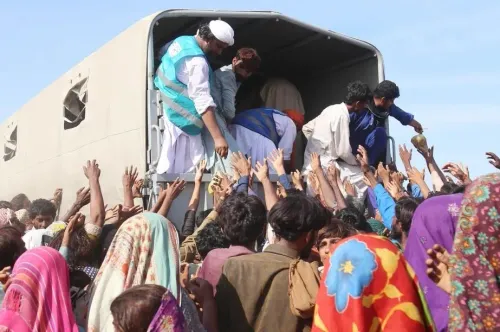
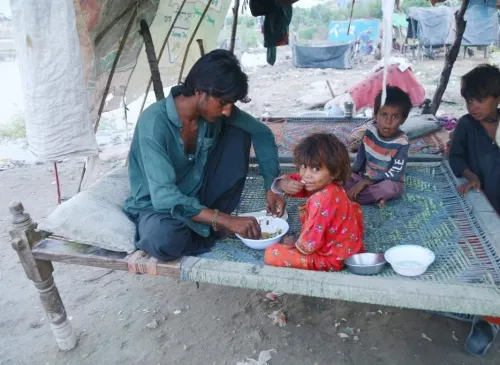
New Delhi, Feb 16 (NationPress) Pakistan is currently grappling with the alarming dual challenge of malnutrition and obesity, placing immense strain on the national health system and overall public health. A recent report highlights that the pervasive intake of foods lacking essential nutrients has exacerbated Pakistan's enduring malnutrition crisis, with women and children bearing the brunt of its impact.
The UN Food and Agriculture Organisation (FAO) recently conducted an assessment revealing significant structural flaws in the country’s food system that undermine nutrition and, in turn, compromise public health and long-term developmental prospects.
The report states that while the food system produces enough calories to sustain the population, it “fails to provide the quantity and variety of healthy, nutritious foods necessary for a balanced diet.”
Consequently, the nation is generating energy but not nourishment, leaving millions susceptible to malnutrition, stunting, and diet-related illnesses.
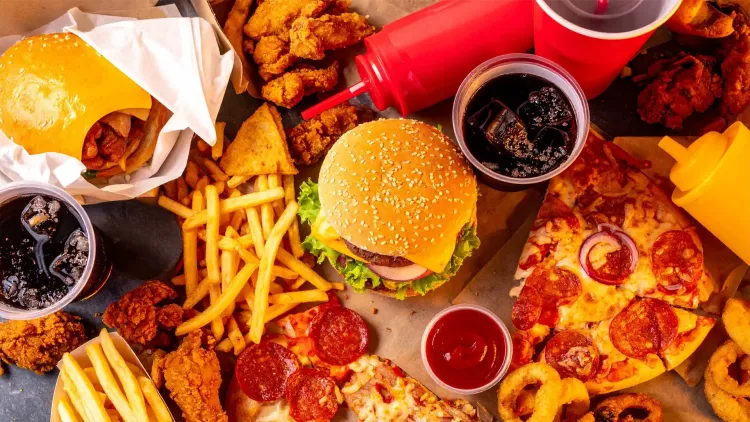
One of the most concerning findings is the steep rise in the consumption of sweets and snack foods.
“Rural areas are particularly affected, with residents consuming more free sugars and fats than those in urban settings, partially due to the relative affordability of energy-dense, sugar- and fat-laden options,” the report indicates.
Sales of processed foods in Pakistan have nearly doubled in recent years.
Furthermore, the production and consumption of cereals, sugar, and edible oils far exceed the requirements for a healthy diet, while the availability and intake of nutrient-dense foods such as fruits, pulses, and legumes remain alarmingly low.
This imbalance has led to a diet heavily reliant on cereals across both urban and rural populations.
Notably, the prevalence of obesity has soared, affecting 40 percent of adults and contributing to a surge in non-communicable diseases (NCDs), including cardiovascular diseases, hypertension, and diabetes.
Pakistan ranks third globally for diabetes prevalence, a situation that weighs heavily on public health.
Anaemia now impacts about 41 percent of women, contributing to poor maternal nutrition and one of the highest maternal mortality rates in the region – 186 deaths per 100,000 live births.
Child malnutrition remains a critical issue, with stunting affecting 40 percent of children under five.
Mitigating excessive sugar consumption is vital. Implementing higher taxes on sugary beverages, confectioneries, and processed foods, with revenues reinvested into nutrition and health initiatives, could create significant incentives for positive change.
Point of View
It is imperative to highlight how these alarming health trends reflect broader systemic issues within Pakistan's food and nutrition policies. The situation demands immediate attention and comprehensive strategies to safeguard public health, particularly for vulnerable populations such as women and children.
NationPress
16 Sept 2026
Frequently Asked Questions
What are the main health issues facing Pakistan?
Pakistan is currently dealing with a significant dual burden of malnutrition and obesity, which adversely affects public health and contributes to a rise in non-communicable diseases.
Which groups are most affected by malnutrition in Pakistan?
Women and children are particularly vulnerable to the effects of malnutrition, facing severe consequences from nutrient-deficient diets.
What measures can help combat obesity in Pakistan?
Implementing higher taxes on sugary foods and drinks, promoting healthier food options, and increasing public awareness about nutrition can help reduce obesity rates.
Why is child malnutrition a critical issue?
Child malnutrition leads to stunting, affecting their development and overall health, with 40 percent of children under five in Pakistan currently affected.
How can the food system in Pakistan be improved?
Addressing the structural distortions in the food system to ensure a diverse range of healthy and nutritious foods are available is essential for improving overall nutrition.