What Does the Latest Household Survey Reveal About Poverty in Pakistan?
Synopsis
The latest Household Integrated Economic Survey reveals a staggering increase in poverty levels in Pakistan, with food insecurity skyrocketing. This report highlights the urgent need for public spending to shift towards employment generation and inclusive growth.
Key Takeaways
Food insecurity in Pakistan has surged to 24.4% .
Household spending on education has fallen to 2.5% .
Real household income has decreased by 3.4% .
66% reduction in household savings over six years .
Remittances now account for 7.8% of income .
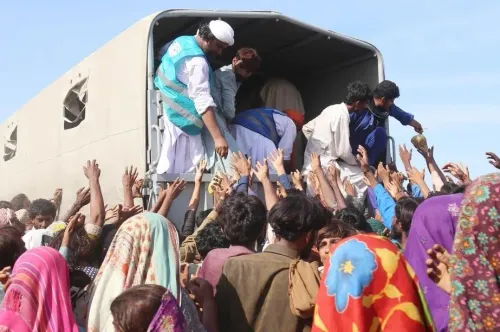
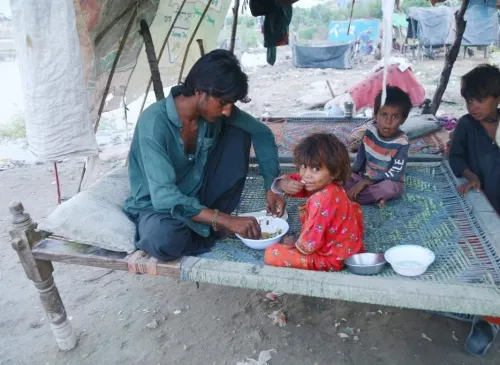
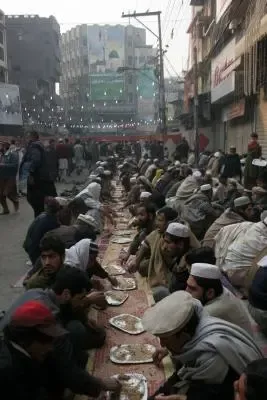
New Delhi, Jan 14 (NationPress) The recently released Household Integrated Economic Survey (HIES) of Pakistan, after a six-year hiatus, unveils the alarming levels of poverty engulfing the nation. According to local media reports, the proportion of food-insecure households has escalated from 15.9% in 2018-2019 to an astonishing 24.4% in 2024-2025.
The HIES data underscores Pakistan's worsening human development crisis, exacerbated by stagnating incomes, escalating poverty, and deepening inequality driven by persistent high inflation, as reported by the Karachi-based Business Recorder.
“In simple terms, one in every four families in Pakistan is now challenged to fulfill basic nutritional requirements. An empty kitchen is a clear indicator of national distress,” the report indicates.
Food insecurity in urban areas has also seen a dramatic rise, doubling to 20.6%, while the rural sector, though higher at 26.7%, is witnessing a slower increase.
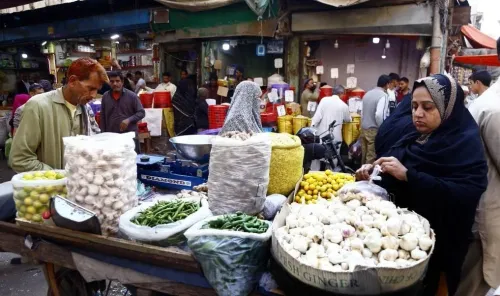
Even those who are technically above the food insecurity threshold are consuming less and opting for poorer-quality food. The consumption of essential staples, including wheat, milk, poultry, and eggs, has diminished. Families are now allocating a larger portion of their budget to inexpensive carbohydrates such as wheat and sugar, and less to nutritious proteins like beef and mutton. This trend is particularly concerning for a country already facing a type-2 diabetes epidemic, the report warns.
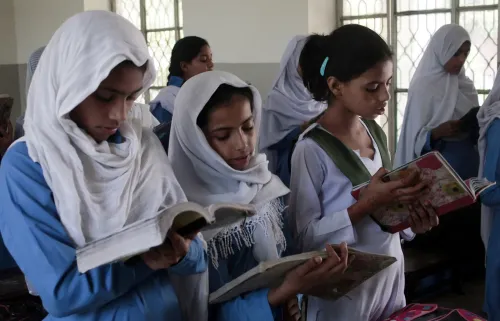
Equally troubling is the significant decline in educational expenditure. The average household outlay on education has plummeted from 4% to a mere 2.5% of total spending. The ongoing inadequacies in public education have left private institutions to bridge the gap, but even this option is becoming increasingly limited, the report bemoans.
The underlying cause of these trends is a significant decline in savings and investments. Real household income, measured in dollar terms, has decreased by 3.4% over six years, while spending has risen by 4%, resulting in a dramatic 66% reduction in household savings. With diminished savings, investment opportunities dwindle, leading to slower productivity growth.
“Pakistan’s economy, already heavily reliant on consumption, is consuming itself. This reliance increasingly depends on external support, with remittances now constituting 7.8% of household income, up from 5% in 2018-2019,” the report highlights.
The earnings structure is also revealing. Self-employment has decreased from 24.7% to 21.7%, indicating a decline in small and micro-enterprises, which are vital for a robust economy.
While the share of wage employees has increased, there is no corresponding growth in productive employment, making this a concerning transition. The disparity is stark, with real income for the lowest quintile plummeting by 45%, while the top quintile experienced a mere 6% decline.
The report asserts that while lives and livelihoods are deteriorating, the government invests in infrastructure like underpasses and bridges that serve no real purpose. Funds are being directed toward asphalt instead of opportunities, emphasizing that Pakistan requires more than concrete; it needs a stronger capacity within its populace, institutions, and collective aspirations.
Without a strategic redirection of limited public funds toward job creation and inclusive growth, the path forward is bleak, the report cautions.
Point of View
I recognize the urgency of addressing the rising poverty and food insecurity highlighted in the latest survey. The data serves as a clear call for action, emphasizing the need for targeted public spending towards employment and inclusive growth to safeguard the livelihoods of millions in Pakistan.
NationPress
20 Sept 2026
Frequently Asked Questions
What is the current food insecurity rate in Pakistan?
Food insecurity in Pakistan has risen to a concerning 24.4% according to the latest Household Integrated Economic Survey.
How has educational spending changed in Pakistan?
Average household spending on education has decreased significantly from 4% to 2.5% of total expenditures.
What are the implications of rising poverty levels?
Rising poverty levels indicate a growing human development crisis, which can lead to increased social unrest and economic instability.
How does remittance play a role in household income?
Remittances now make up 7.8% of household income, highlighting a growing dependency on external financial support.
What is the impact on small businesses in Pakistan?
Self-employment has decreased, indicating a decline in small and micro enterprises, which are crucial for economic growth.