Mecca Defence Pact largely symbolic; Pakistan won't fight for Saudi Arabia: Analyst
Synopsis
The Mecca Joint Defence Agreement — billed as a 'Muslim NATO' — faced its first real test when Houthis struck Saudi Arabia on 8 September, and it failed visibly: Pakistan reversed its military posture within 48 hours and Turkey issued only a condemnation. A German analyst's verdict is unsparing — this is not a real alliance, just a prestige document.
Key Takeaways
Saudi Arabia , Pakistan , and Turkey signed the Mecca Joint Defence Agreement on 7 August 2026 , pledging collective defence.
On 8 September 2026 , Houthis struck Saudi cities with missiles and drones, injuring at least 73 people and damaging energy infrastructure.
Pakistan initially signalled possible airstrikes against Houthis, then reversed course within two days , with its foreign ministry confirming no military action was planned.
Turkey condemned the attack but took no military steps.
Analyst Thiemo Rickenstorf describes the pact as 'largely symbolic' and 'not a real alliance,' warning Saudi Arabia against overestimating Pakistan's commitment.
The Mecca Joint Defence Agreement signed by Saudi Arabia, Pakistan, and Turkey on 7 August 2026 has been exposed as largely symbolic following Houthi missile and drone attacks on Saudi territory on 8 September 2026, with neither Islamabad nor Ankara taking military action in response, according to an analysis by Germany-based political analyst Thiemo Rickenstorf.
The Houthi Attack That Tested the Pact
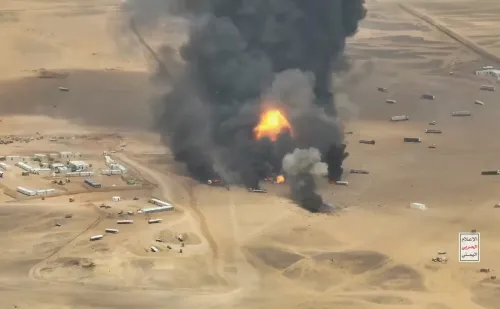
On 8 September, Houthi forces fired ballistic missiles and drones targeting Saudi cities — Abha, Khamis Mushait, Jazan, and Najran — damaging energy sites and injuring at least 73 people, according to the Saudi-led coalition. The Houthis also claimed strikes on critical infrastructure, including Aramco facilities and King Khalid Air Base.
The assault amounted to the first direct stress test of the newly signed three-nation pact, which stipulates that an armed attack against any one signatory shall be regarded as an attack against all three.
Pakistan's Rapid Reversal
In the immediate aftermath, Pakistan's Defence Minister reaffirmed the country's commitment to the mutual defence pledge, and several media reports — citing Pakistani sources — claimed Islamabad was planning potential airstrikes against Houthi positions if Riyadh formally requested them.
Within two days, however, Pakistan's Foreign Ministry spokesperson Sajjad Haider Khan flatly rejected those claims, stating that no military action was under discussion and that Islamabad would act only 'if required.' Turkey similarly condemned the attacks but took no military steps.
Rickenstorf noted: 'The first real test of this so-called 'Muslim NATO' produced only a press release and a change in how the pact is described. It is now cast as purely defensive and seen as lacking real power. The episode showed that the agreement is largely symbolic and that Pakistan is unlikely to fight for Saudi Arabia.'
What the Agreement Actually Says
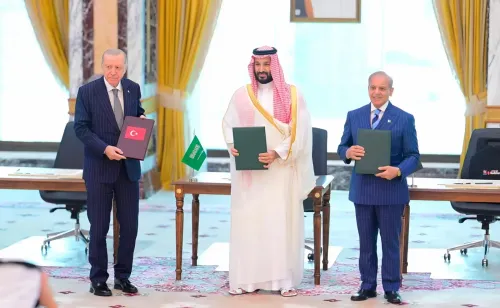
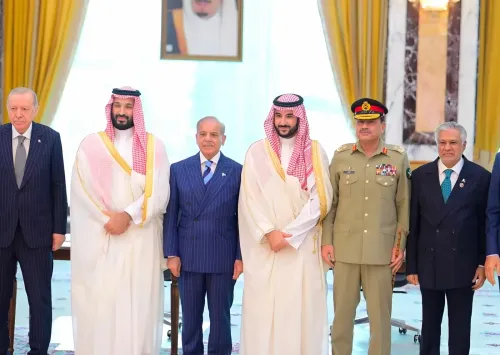
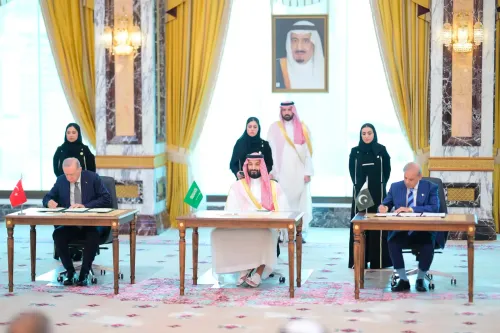
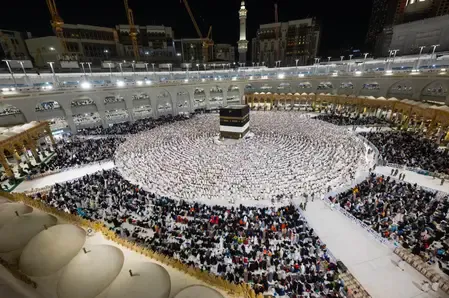
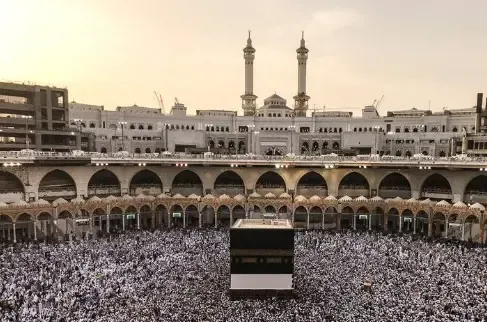
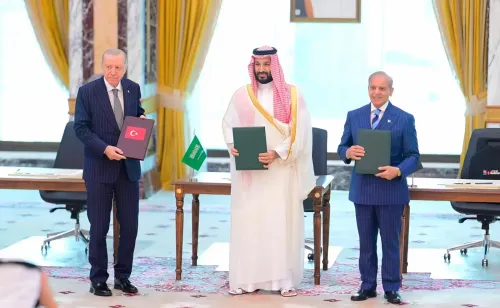
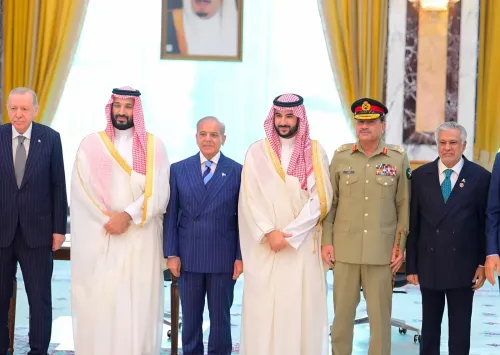
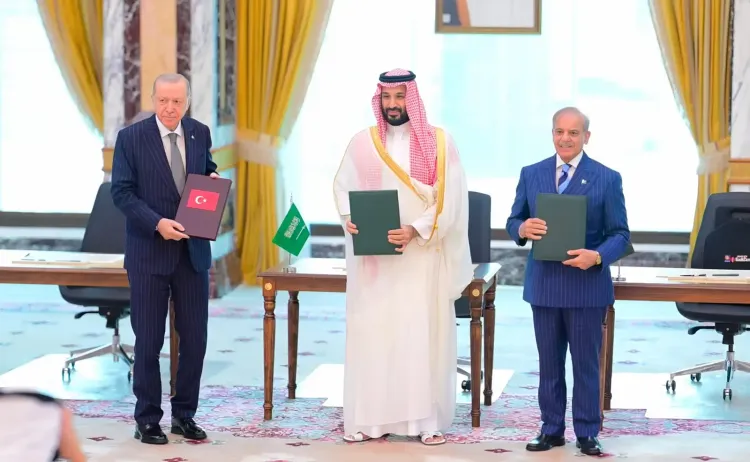
The pact was signed in Mecca by Pakistani Prime Minister Shehbaz Sharif, Saudi Crown Prince Mohammed bin Salman, and Turkish President Recep Tayyip Erdogan. Pakistan's Ministry of Foreign Affairs described it as intended to 'strengthen collective deterrence against any act of aggression' and to enhance 'all aspects of defence cooperation among the three states.'
At the time, the agreement was widely presented as a step toward Muslim collective security and a regional security order less dependent on the United States.
Analyst: 'Not a Real Alliance'
Rickenstorf's analysis, published by Afghanistan-based outlet Khaama Press, was blunt about the pact's limitations. 'Saudi Arabia should be realistic about its partners. Pakistan will take Saudi money, deferred oil payments, and the prestige of a mutual defence treaty. It will not fight Iran's allies when its own interests and its relationship with the United States say otherwise. This is not a real alliance. It is closer to a half-hearted attempt to create a new security bloc in West Asia,' he wrote.
This comes amid longstanding questions about Pakistan's strategic depth — Islamabad maintains complex ties with both Riyadh and Tehran, and any overt military action against Houthi forces would risk destabilising that balance. The episode underscores a recurring tension in regional security arrangements: formal pacts often reflect diplomatic signalling rather than credible military commitments.
What Comes Next
With the pact's credibility now openly questioned, Saudi Arabia faces a strategic recalibration of its partnerships in West Asia. Observers will be watching whether Riyadh pushes for stronger operational language in the agreement or quietly deprioritises it. The Houthi threat to Saudi infrastructure, meanwhile, shows no sign of abating.
Point of View
And Ankara has its own calculus. Saudi Arabia, which has spent billions cultivating Pakistani loyalty through oil deferrals and financial aid, now has a data point that transactional relationships do not translate into battlefield commitments. The deeper question is whether this episode accelerates Riyadh's quiet rapprochement with Washington — the very dependency the Mecca pact was meant to reduce.
NationPress
21 Sept 2026
Frequently Asked Questions
What is the Mecca Joint Defence Agreement?
The Mecca Joint Defence Agreement is a mutual defence pact signed on 7 August 2026 by Pakistan, Saudi Arabia, and Turkey, under which an armed attack against any one signatory is treated as an attack against all three. It was presented as a step toward Muslim collective security and a regional order less reliant on the United States.
What happened during the Houthi attack on Saudi Arabia in September 2026?
On 8 September 2026, Houthi forces fired ballistic missiles and drones at four Saudi cities — Abha, Khamis Mushait, Jazan, and Najran — injuring at least 73 people and damaging energy sites, according to the Saudi-led coalition. The Houthis also claimed strikes on Aramco facilities and King Khalid Air Base.
Why did Pakistan not take military action despite the Mecca pact?
Pakistan's Foreign Ministry, within two days of media reports suggesting possible airstrikes, confirmed that no military action against Houthis was being planned and that Islamabad would act only 'if required.' Analysts attribute the reversal to Pakistan's complex relationships with both Saudi Arabia and Iran, and its broader alignment calculus with the United States.
What does analyst Thiemo Rickenstorf say about the pact's credibility?
Rickenstorf argues the pact is 'largely symbolic' and that the first test produced only a press release. He writes that Pakistan will accept Saudi financial benefits but will not fight Iran's allies when its own interests say otherwise, calling it 'closer to a half-hearted attempt to create a new security bloc in West Asia' rather than a real alliance.
What is Turkey's position on the Mecca Defence Agreement after the Houthi attack?
Turkey condemned the Houthi attack on Saudi Arabia but took no military action in response. Like Pakistan, Ankara reframed the agreement as 'purely defensive,' raising doubts about the pact's operational value as a collective security instrument.