Pakistan poverty hits 29% in 2025, undercutting govt's recovery claims
Synopsis
The World Bank now puts Pakistan's poverty rate at 29% — roughly 70 million people — even as Islamabad insists the economy is on the mend. With real wages down 3.4% a year for six years, inflation still above 10%, and household food budgets under severe strain, the gap between official narrative and ground reality is stark and growing.
Key Takeaways
The World Bank estimates Pakistan's poverty rate rose to approximately 29 per cent in 2024–25 , leaving around 70 million people below the national poverty line.
Real wages fell by an average of 3.4 per cent annually between 2018–19 and 2024–25 , directly contradicting official claims of an economic recovery.
Pakistan's consumer price inflation was 10.26 per cent year-on-year in September 2026 ; the IMF projects average inflation at 9.9 per cent for FY2026–27 .
Rising costs of wheat, flour, vegetables, and meat are forcing households to reduce food quantities and compromise dietary diversity.
Families just above the poverty line remain highly vulnerable — a single income shock can push them below the subsistence threshold.
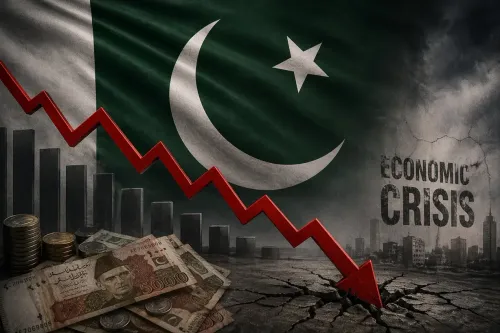
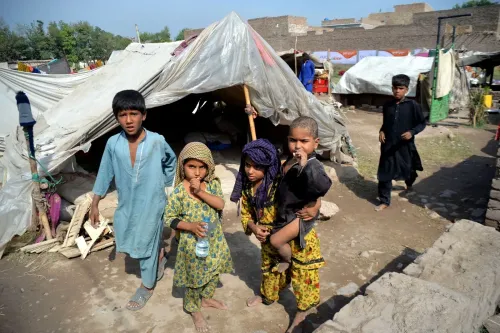
Pakistan's poverty level climbed to approximately 29 per cent in 2024–25, leaving roughly 70 million people below the national poverty line, according to World Bank estimates — a figure that directly contradicts Islamabad's repeated assertions of an economic turnaround. The data, highlighted in an analysis by the Karachi-based Business Recorder, underscores a widening gap between official narratives and the lived reality of Pakistani households.
What the Numbers Reveal
Real wages in Pakistan declined by an average of 3.4 per cent annually between 2018–19 and 2024–25, eroding household purchasing power over six consecutive years. The World Bank figures stand in sharp contrast to claims by Pakistani authorities that poverty levels are falling. Families battling food, electricity, transport, and housing costs form the backdrop against which these macro statistics play out.
The analysis draws a critical distinction that is often missed in headline readings of economic recovery: lower inflation does not mean prices return to previous levels — it simply means they rise more slowly. After successive years of steep price increases, households can continue to struggle even as inflation moderates.
Food Security Under Strain
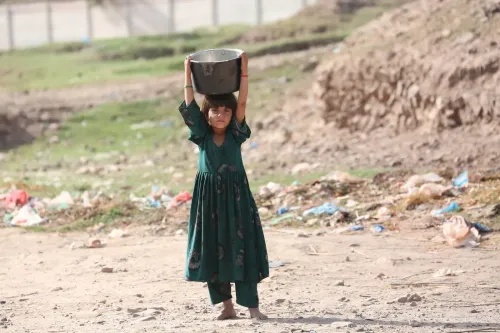
The pressure is acutely visible in household food budgets. The rising cost of essentials — wheat, flour, vegetables, and meat — is forcing families into difficult trade-offs. Households are reportedly reducing quantities, compromising dietary diversity, or cutting meat purchases entirely as affordability erodes.
The consequences extend well beyond family budgets. Inadequate nutrition, compounded by extreme heat, cold, and other harsh weather conditions, is raising health risks — particularly for children, older adults, and other vulnerable groups. The Business Recorder analysis warns that these effects cascade into health, education, and broader human development outcomes.
Inflation Still Elevated
Pakistan's consumer price inflation stood at 10.26 per cent year-on-year in September 2026, while the International Monetary Fund (IMF)'s October 2026 projections put average inflation at 9.9 per cent for FY2026–27. Both figures suggest price pressures remain entrenched despite official optimism.
The Vulnerability Gap
A central concern flagged in the Business Recorder piece is the precariousness of households that sit just above the poverty line. A single shock — illness, job loss, a rent hike, or a spike in fuel prices — is enough to push such families into poverty. This fragility, the analysis argues, is the real structural challenge: building an economy in which households can absorb economic shocks without falling below subsistence.
Notably, this is not the first time independent assessments have diverged sharply from Pakistan's official economic reporting. The World Bank's poverty estimates for the country have consistently trended higher than government projections in recent years, raising questions about data transparency and the metrics used to measure recovery.
What Needs to Change
The Business Recorder analysis argues that genuine recovery must be measured at the household level — the ability to buy food, pay rent, educate children, and meet unexpected expenses without incurring debt. Until real wages reverse their declining trend and essential costs stabilise, macro indicators such as GDP growth or falling headline inflation will offer limited comfort to the 70 million Pakistanis living below the poverty line.
Point of View
Not just current account deficits, the official optimism will ring hollow.
NationPress
29 Oct 2026
Frequently Asked Questions
What is Pakistan's current poverty rate according to the World Bank?
The World Bank estimates Pakistan's poverty rate rose to approximately 29 per cent in 2024–25, leaving around 70 million people below the national poverty line. This figure contradicts claims by Pakistani authorities that poverty is declining.
Why do falling inflation figures not signal recovery for Pakistani households?
Lower inflation means prices are rising more slowly — not that they have returned to previous levels. After years of steep price increases, Pakistani households continue to struggle with high costs for food, rent, electricity, and transport even as the inflation rate moderates.
How have real wages changed in Pakistan in recent years?
Real wages in Pakistan declined by an average of 3.4 per cent annually between 2018–19 and 2024–25, meaning workers' purchasing power has been eroding consistently for six years despite official claims of economic improvement.
What is Pakistan's current inflation rate and what does the IMF project?
Pakistan's consumer price inflation stood at 10.26 per cent year-on-year in September 2026. The IMF's October 2026 projections put average inflation at 9.9 per cent for FY2026–27, indicating price pressures remain elevated.
Which groups are most affected by Pakistan's rising poverty and food insecurity?
Children, older adults, and other vulnerable groups face the greatest risk, as inadequate nutrition combined with extreme weather conditions raises health risks significantly. Families just above the poverty line are also highly exposed, as a single shock — illness, job loss, or a rent hike — can push them below the poverty threshold.