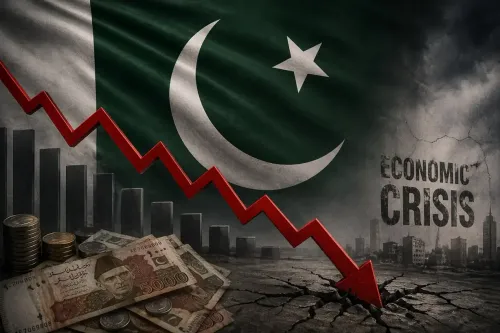
Pakistan poverty rate climbs to 28.9% in 2024-25, up 7 points in six years
Synopsis
Pakistan's official poverty data — released after a six-year gap — reveals that nearly 1 in 3 Pakistanis now lives below the poverty line. The 7-point rise since 2018-19 exposes a stark paradox: the economy posted positive growth, yet the poor got poorer, with rural households and wage earners bearing the heaviest burden of a decade defined by inflation and crisis.
Key Takeaways
Pakistan's poverty rate rose to 28.9% in 2024-25 , up from 21.8% in 2018-19 — an increase of 7 percentage points .
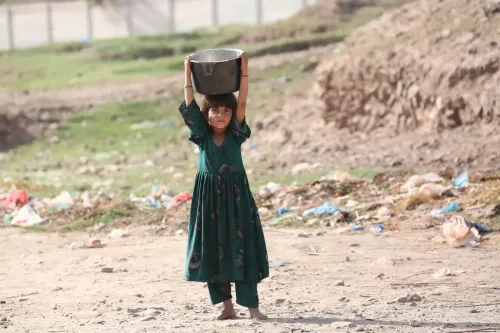
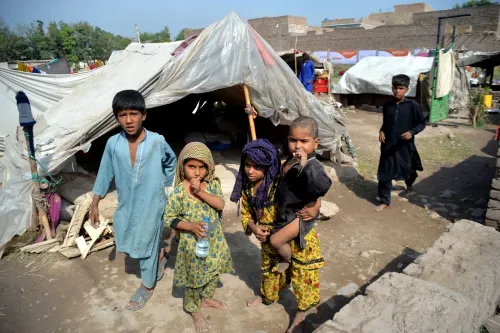
Rural poverty increased by approximately 8 percentage points ; urban poverty rose by around 6 percentage points .
Data is based on the HIES and PSLM surveys, released after a gap of nearly six years .
Inflation-adjusted household incomes and consumption fell across two successive survey cycles .
Analysts describe the period as a 'lost decade' for living standards, with growth benefits skewed toward higher-income groups.
Drivers include the Covid-19 pandemic, balance-of-payments crises, commodity price spikes, and prolonged macroeconomic adjustment.
Pakistan's poverty rate has surged to 28.9 per cent in 2024-25, up from 21.8 per cent in 2018-19 — a rise of seven percentage points in six years — as repeated economic shocks, elevated inflation, and sluggish growth hollowed out household incomes across the country, according to an analysis based on official survey data.
What the Data Shows
The findings draw on the Household Integrated Economic Survey (HIES) and the Pakistan Social and Living Standards Measurement (PSLM), both released after a gap of nearly six years. The numbers reflect the cumulative toll of multiple overlapping crises: repeated balance-of-payments pressures, the Covid-19 pandemic, commodity price spikes, and prolonged macroeconomic adjustment programmes.
Critically, average inflation-adjusted household incomes and consumption declined across two successive survey cycles — what analysts have described as a 'lost decade' for living standards in Pakistan.
Rural Pakistan Bears the Brunt
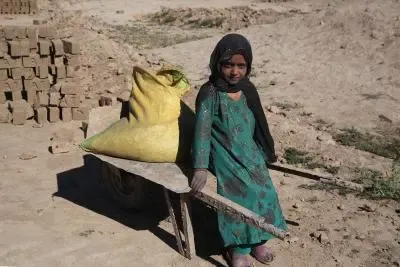
The poverty increase was steeper in rural areas, where the rate rose by approximately eight percentage points, compared with around six percentage points in urban centres. Rural households, which are more dependent on wage income rather than returns from financial or physical assets, were disproportionately exposed to inflation and economic disruptions.
Wealthier households, by contrast, were better insulated — able to offset rising prices through ownership of real estate and financial investments, according to the analysis.
Growth Without Inclusion
Perhaps the most striking finding is the coexistence of positive economic growth with rising poverty — a pattern analysts say points to sharply unequal distribution of growth benefits. The gains, according to the analysis, have largely accrued to higher-income groups, while lower-income households have experienced greater erosion in real purchasing power.
This is not an isolated phenomenon: several emerging economies navigating IMF-backed adjustment programmes have recorded similar divergences between aggregate growth metrics and household welfare outcomes.
Broader Challenges Ahead
The data underscores the structural challenge confronting Pakistan's economy — sustaining macroeconomic stabilisation while simultaneously reversing a widening poverty and inequality gap. Continuing geopolitical uncertainties and external economic risks add further headwinds to any recovery in household consumption.
With the next survey cycle still years away, policymakers face the difficult task of designing targeted welfare interventions without a real-time poverty measurement framework to guide them.
Point of View
Costs borne almost entirely by wage-dependent households. What the data does not yet show — and what policymakers must now confront — is whether the social protection architecture (BISP, Ehsaas) was anywhere near large enough to absorb the shock. A six-year gap in official poverty measurement is itself a governance failure; without timely data, course corrections are impossible.
NationPress
20 Oct 2026
Frequently Asked Questions
What is Pakistan's current poverty rate?
Pakistan's poverty rate stood at 28.9 per cent in 2024-25 , meaning nearly 1 in 3 Pakistanis lives below the poverty line. This is up from 21.8 per cent in 2018-19, a rise of 7 percentage points over six years.
Why has poverty increased in Pakistan over the past six years?
The increase reflects the cumulative impact of multiple crises: the Covid-19 pandemic, repeated balance-of-payments pressures, elevated inflation, rising global commodity prices, and prolonged macroeconomic adjustment. These shocks eroded real household incomes and purchasing power, particularly among wage-dependent lower-income groups.
Which areas of Pakistan were worst affected by rising poverty?
Rural Pakistan was harder hit, with poverty rising by approximately 8 percentage points compared with around 6 percentage points in urban areas. Rural households are more reliant on wages rather than asset income, making them more vulnerable to inflation and economic disruptions.
How can poverty rise even when the economy is growing?
Analysts note that Pakistan's positive economic growth has largely benefited higher-income groups, while lower-income households have seen greater erosion in real incomes. This pattern — growth without inclusion — means aggregate GDP figures can mask worsening conditions for the poorest segments of the population.
What is the source of Pakistan's poverty data?
The figures come from the Household Integrated Economic Survey (HIES) and the Pakistan Social and Living Standards Measurement (PSLM), official government surveys released in 2025 after a gap of nearly six years — a delay that itself has drawn scrutiny from economists.