Rising Poverty and Inequality: A Growing Concern in Pakistan
Synopsis
A recent report highlights a significant rise in both poverty and inequality in Pakistan over the past six years. Key statistics reveal alarming trends that necessitate urgent government action.
Key Takeaways
Poverty in Pakistan rose from 21.9% to 28.9% in six years.
Rural poverty increased from 28.2% to 36.3%; urban poverty from 11% to 17.4%.
Unemployment rates rose from 5.7% to 7.1%.
Real household incomes fell by 27.5% over the last six years.
Economic policy changes, Covid-19, and floods are key factors in worsening living standards.
New Delhi, March 4 (NationPress) A recent report from Pakistan's Planning Commission has revealed a troubling trend: both inequality and poverty have surged in the nation over the past six years. This assessment is derived from a comparison of household income levels and distribution, utilizing data from the Household Integrated Economic Survey (HIES) for the years 2018-19 and 2024-25, conducted by the Pakistan Bureau of Statistics (PBS).
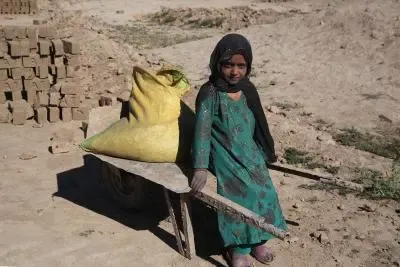
The alarmingly high statistic indicates that national poverty has escalated from 21.9 percent in 2018-19 to 28.9 percent in 2024-25. Specifically, rural poverty has risen from 28.2 percent to 36.3 percent, while urban poverty has increased from 11 percent to 17.4 percent, as reported by the Karachi-based Business Recorder.
This increase in poverty rates reflects a growing unemployment issue, rising inequality, and diminishing real household incomes. The unemployment rate rose from 5.7 percent in 2020-21 to 7.1 percent in 2024-25, while the average real household income has plummeted by 27.5 percent over the last six years, according to the report.
The Planning Commission's report has identified several factors contributing to the decline in living standards. Key among these are inconsistent economic policies, the impact of the Covid-19 pandemic in 2019-20, and the severe damage caused by the floods of 2022-23. Furthermore, the constraints imposed by IMF stabilization programs have resulted in reduced subsidies, increased indirect taxes, and significant cuts in development spending.
During the report presentation, the Planning Minister stressed the importance of export-led growth, enhancing focus on relatively underdeveloped districts, and achieving a better fiscal balance between federal and provincial governments. He called for prioritizing social protection initiatives, including cash transfers, poverty alleviation programs, and support for Small and Medium Enterprises (SMEs).
This report holds significant value as it not only underscores the widespread decline in living conditions for the people of Pakistan but also proposes essential strategies for mitigating inequality and reducing poverty. It is hoped that the current government will take steps to implement these recommendations, as noted in the Business Recorder article.
Point of View
It is crucial to recognize the alarming trends presented in the Planning Commission's report. The rising levels of poverty and inequality not only threaten the fabric of society but also call for immediate and effective policy interventions. A nation-first approach should prioritize economic stability and the welfare of its citizens.
NationPress
3 Oct 2026
Frequently Asked Questions
What recent report indicates the rise in poverty in Pakistan?
The report released by Pakistan's Planning Commission highlights the increase in poverty and inequality over the last six years.
What are the statistics related to poverty in Pakistan?
National poverty has risen from 21.9% in 2018-19 to 28.9% in 2024-25, with rural and urban poverty increasing as well.
What factors contribute to the rise in poverty in Pakistan?
Key factors include changing economic policies, the impact of Covid-19, and flooding, alongside reductions in subsidies and increased taxes.
What recommendations were made by the Planning Minister?
The Planning Minister emphasized export-led growth, fiscal balance, and enhanced social protection measures.
Why is the report significant?
The report highlights the urgent need for strategies to address increasing inequality and poverty in Pakistan.