Pakistan inflation hits 11.1% in August 2026, back in double digits
Synopsis
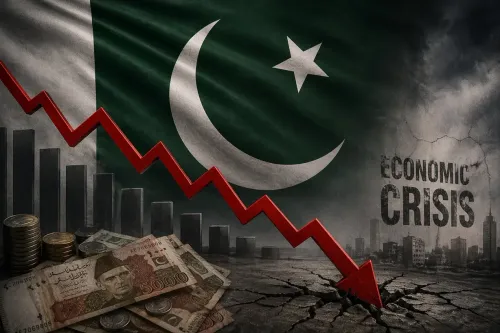
Pakistan's inflation snapped back to 11.1% in August 2026 after a brief dip to 9.2% in July, with food prices surging nearly 14% and rural inflation outpacing urban at 12.2%. The reversal raises fresh questions about the durability of Pakistan's disinflation and its ability to meet IMF stabilisation benchmarks.
Key Takeaways
Pakistan's CPI inflation rose to 11.1 per cent in August 2026 , up from 9.2 per cent in July, returning to double digits.
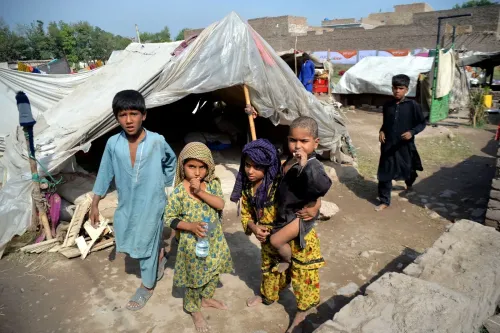
Rural inflation climbed to 12.2 per cent , outpacing urban CPI at 10.4 per cent .
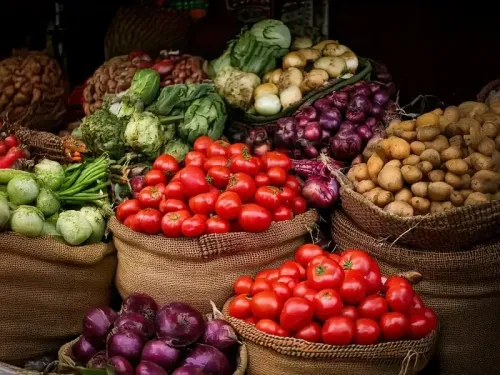
Food and non-alcoholic beverages recorded the steepest rise at 13.89 per cent year-on-year.
SPI-based inflation stood at 10.72 per cent and WPI-based inflation at 10.62 per cent in August.
Inflation had previously eased sharply to 7.3 per cent in March 2026 , but has since trended back upward.
Near-term inflation is expected to remain elevated as global commodity and energy prices pass through to the domestic economy, per the report.
Pakistan's annual consumer price inflation climbed to 11.1 per cent in August 2026, snapping back into double digits after a brief retreat to 9.2 per cent in July, according to data cited by The Nation, a Pakistan-based newspaper, sourced from the Pakistan Bureau of Statistics (PBS). The reversal underscores the fragility of the country's disinflation progress amid persistent commodity and energy price pressures.
Key Inflation Readings for August 2026
Urban CPI inflation held at 10.4 per cent year-on-year in August, while rural inflation rose more sharply to 12.2 per cent, reflecting the disproportionate burden on lower-income households outside major cities. On a month-on-month basis, CPI inflation remained flat at 1.2 per cent, unchanged from July.
The Sensitive Price Index (SPI) — which tracks essential commodities — rose 10.72 per cent, while Wholesale Price Index (WPI)-based inflation increased 10.62 per cent in the same period.
Where Prices Rose the Most
Food and non-alcoholic beverages recorded the steepest increase, up 13.89 per cent year-on-year — a category that directly squeezes household budgets. Housing, water, electricity, gas and fuel costs rose 8.87 per cent, while clothing and footwear prices increased 9.23 per cent.
Health costs climbed 8.02 per cent and education charges rose 7.82 per cent. Prices at restaurants and hotels increased 6.1 per cent, while furnishing and household equipment maintenance costs rose 7.08 per cent. Alcoholic beverages and tobacco prices edged up approximately 3.2 per cent.
The Trend in Context
August's reading of 11.1 per cent matches the level recorded in June 2026. Prior months showed inflation at 11.7 per cent in May and 10.9 per cent in April, before a sharper dip to 7.3 per cent in March had raised hopes of a sustained cooling. The latest figures suggest that dip was short-lived, and Pakistan's inflation trajectory remains volatile.
This comes amid broader concerns about Pakistan's economic stabilisation under its International Monetary Fund (IMF) programme, where taming inflation is a key benchmark. Rising food and energy costs continue to erode real incomes, particularly in rural areas.
Near-Term Outlook
According to the report, inflation is expected to remain somewhat elevated in the near term, as recent price pressures and movements in international commodity and energy prices pass through to the domestic economy. For August 2026, CPI inflation was projected to remain in the range of 10 to 11 per cent — a forecast that the actual reading has slightly exceeded. The trajectory in coming months will likely depend on global energy prices and domestic food supply conditions.
Point of View
Energy subsidy rollbacks under IMF conditionality, and chronic food supply bottlenecks. What is notable is the rural-urban gap: at 12.2 per cent versus 10.4 per cent, rural households are bearing a disproportionate share of the price burden, which has political as well as economic consequences. The IMF programme demands fiscal consolidation, but consolidation without inflation control risks compressing real wages precisely where Pakistan's social safety net is thinnest. The next few months will test whether Islamabad can thread that needle.
NationPress
19 Oct 2026
Frequently Asked Questions
What is Pakistan's inflation rate in August 2026?
Pakistan's annual CPI inflation rose to 11.1 per cent in August 2026, returning to double digits after easing to 9.2 per cent in July. The data was sourced from the Pakistan Bureau of Statistics (PBS) as cited by The Nation newspaper.
Which category saw the highest price rise in Pakistan in August 2026?
Food and non-alcoholic beverages recorded the steepest increase, rising 13.89 per cent year-on-year in August 2026. Housing, water, electricity, gas and fuel costs also rose significantly at 8.87 per cent.
How does rural inflation in Pakistan compare to urban inflation?
Rural CPI inflation reached 12.2 per cent in August 2026, notably higher than urban CPI inflation of 10.4 per cent, indicating that households outside major cities are facing greater price pressures.
What is the near-term inflation outlook for Pakistan?
According to the report, inflation is expected to remain somewhat elevated in the near term as international commodity and energy price movements pass through to the domestic economy. CPI inflation for August 2026 was projected in the range of 10 to 11 per cent.
What was Pakistan's inflation trend in the months before August 2026?
Inflation stood at 11.1 per cent in June, 11.7 per cent in May, and 10.9 per cent in April 2026, before dipping sharply to 7.3 per cent in March. The August reading confirms that the March easing was short-lived.