Pakistan's Inflation Reaches 74-Week High of 12.15% Amid Global Energy Crisis

Synopsis
Pakistan is currently facing a steep rise in inflation, hitting a 74-week high of 12.15%. The increase is driven by global energy price spikes and geopolitical tensions in the Middle East, affecting household costs and essential goods.
Key Takeaways
Inflation in Pakistan has hit 12.15%, a 74-week high.
Global energy prices are a primary driver of this inflation.
Fuel prices have seen dramatic increases, affecting transport costs.
Food prices for staples have also risen sharply, impacting household budgets.
Geopolitical tensions in the Middle East are influencing local economic conditions.
New Delhi, April 12 (NationPress) Pakistan is facing a renewed challenge with soaring inflation as rising tensions in the Middle East, specifically the Israel-US conflict with Iran, start to impact its economy, according to a recent report.
The increase in global energy prices has propelled the country’s inflation back into double-digit figures, with the Sensitive Price Indicator (SPI) surging by 12.15 percent year-on-year (YoY), reaching a 74-week high, as reported by The Express Tribune.
Analysts from Topline Securities have indicated that this latest increase underscores the magnitude of the current price shock.
This spike comes after a phase of relative calm in late 2025, during which SPI inflation had plummeted to as low as 2.4 percent in early January 2026, primarily due to a favorable base effect.
However, the situation has rapidly escalated, with inflation rising sharply from approximately 4-5 percent recorded in February of this year.
The primary factor contributing to this sudden inflation spike is the instability in global energy markets, which has been exacerbated by geopolitical tensions in the Middle East.
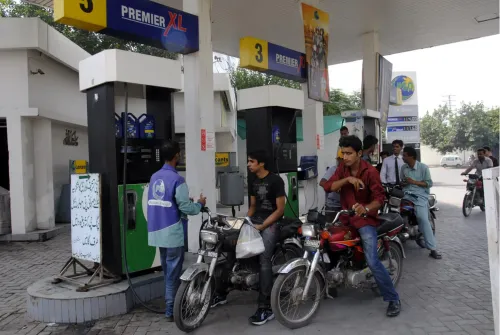
As international oil prices surged due to concerns over potential supply disruptions, the effects quickly permeated into Pakistan’s economy, where fuel costs play a crucial role in determining overall inflation.
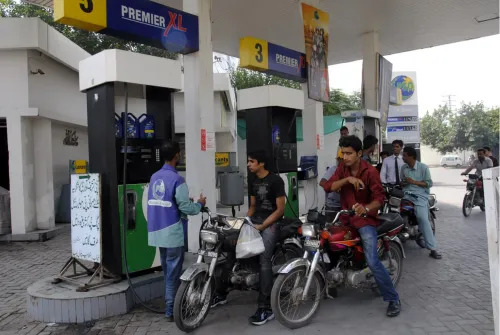
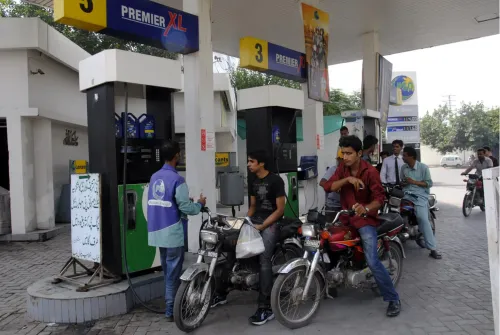
Over the past year, fuel prices have experienced significant increases, with diesel prices skyrocketing by 101.02 percent, petrol by 48.70 percent, and Liquefied Petroleum Gas (LPG) by 65.86 percent on a YoY basis.
This drastic rise has resulted in heightened transportation and logistics costs, triggering a chain reaction that has led to increased prices of essential goods.
The energy crisis has also aggravated food inflation, adding further pressure on household finances.
Prices for key staples have surged, with onions becoming 37.80 percent more expensive, wheat flour escalating by 30.10 percent, and tomatoes rising by 23.07 percent compared to the previous year.
Moreover, protein sources have not been exempt from price hikes, as mutton and beef prices have surged by nearly 15 percent and 14 percent, respectively, as stated in the report.
Weekly data reveals even more intense pressure, with diesel prices soaring by 54.71 percent and petrol by 17.86 percent, leading to immediate escalations in transportation costs.
This has resulted in notable price increases for perishable food items within just a week, affecting tomatoes, potatoes, and onions.
Point of View
The current inflation crisis in Pakistan highlights significant economic vulnerabilities exacerbated by external geopolitical factors. The rising cost of essential goods is a pressing concern that impacts everyday life, demanding immediate attention from policymakers to stabilize the economy and protect citizens' welfare.
NationPress
18 Sept 2026
Frequently Asked Questions
What is the current inflation rate in Pakistan?
The current inflation rate in Pakistan is 12.15%, marking a 74-week high.
What factors are driving inflation in Pakistan?
Inflation is primarily driven by rising global energy prices and geopolitical tensions in the Middle East.
How have fuel prices changed in Pakistan recently?
Fuel prices have increased significantly, with diesel rising by 101.02%, petrol by 48.70%, and LPG by 65.86% year-on-year.
What impact does this inflation have on food prices?
Food prices have surged as well, with key staples like onions, wheat flour, and tomatoes seeing significant increases.
What is the Sensitive Price Indicator (SPI)?
The Sensitive Price Indicator (SPI) measures the changes in prices of essential goods in Pakistan and is a key indicator of inflation.