Pakistan defence budget 2026-27: 18% hike as education, health starved
Synopsis
Pakistan's FY2026-27 budget raises military spending 18% to PKR 3 trillion — nearly three times the entire federal development budget — while higher education gets PKR 46 billion and healthcare just PKR 25 billion. With 70 million people now in poverty and debt servicing consuming over PKR 8 trillion, the budget exposes a structural choice that consistently prioritises arms over human capital.
Key Takeaways
Pakistan's FY2026-27 defence budget rises 18 per cent to 3 trillion Pakistani Rupees .
Higher education received PKR 46 billion (~$165 million) ; healthcare just PKR 25 billion (~$89 million) — both dwarfed by the military outlay.
Debt servicing alone accounts for PKR 8.054 trillion ; together with defence, the two items exceed 60 per cent of the total federal budget.
Pakistan's poverty headcount rose to 28.9 per cent in FY2024-25, up from 21.9 per cent in FY2018-19, pushing roughly 27 million more people into poverty.
The Benazir Income Support Programme allocation increased ~ 17 per cent to PKR 838 billion , but critics say it falls short of rising need.
Salaried workers and formal businesses bear a heavier tax burden to fund the expanded defence spend, according to analysts.
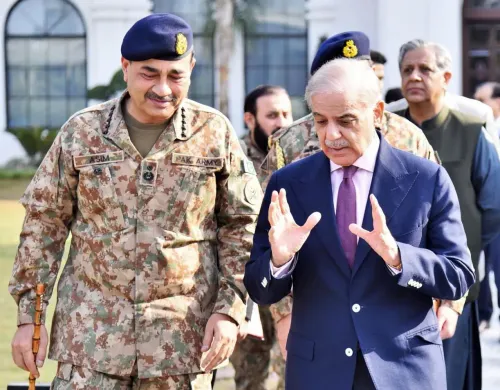
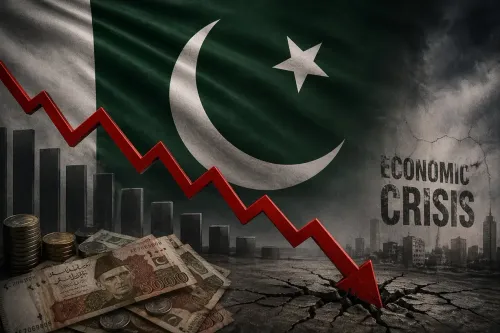
Pakistan's federal budget for Fiscal Year 2026-27 has sharply prioritised military expenditure over public welfare, raising defence spending by 18 per cent to 3 trillion Pakistani Rupees — even as poverty levels surge and allocations for education and healthcare remain a fraction of the armed forces' outlay. The budget, presented in Islamabad, underscores a structural imbalance that critics argue leaves the country's human capital chronically underfunded.
Defence vs Human Development: The Numbers
Federal allocations for higher education stand at roughly 46 billion rupees (approximately $165 million), while healthcare received just 25 billion rupees (approximately $89 million). Their combined total is dwarfed by the military's multi-billion-dollar appropriation. According to journalist Uzay Bulut, writing in PJ Media, 'The defence budget is nearly three times the entire federal development budget and significantly higher than combined federal allocations for education and health.'
Social protection — primarily channelled through the Benazir Income Support Programme (BISP) — has been raised to 838 billion rupees (approximately $3.01 billion), an increase of around 17 per cent. However, analysts argue this uplift is insufficient relative to the scale of deprivation now gripping the country.
Debt Servicing Crowds Out Social Spending
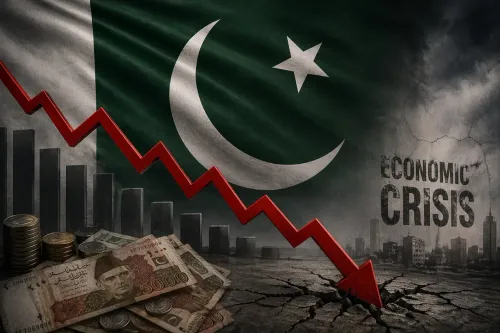
Beyond defence, debt servicing (interest payments) has been allocated a staggering 8.054 trillion rupees — the single largest line item in the budget. Together, defence and debt servicing account for more than 60 per cent of the total federal outlay, which exceeds PKR 11 trillion. This leaves severely constrained fiscal space for social protection, infrastructure, and development programmes.
Bulut noted that 'the sectors that directly uplift human capability such as education have thus been given a mere pittance,' a characterisation supported by the raw allocation figures.
Poverty on the Rise
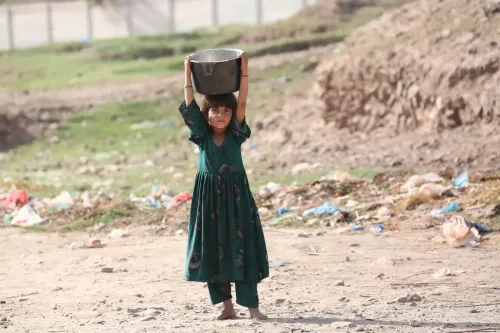
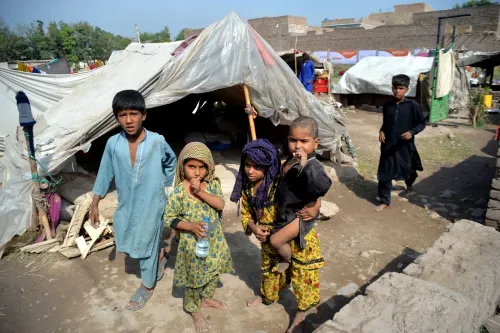
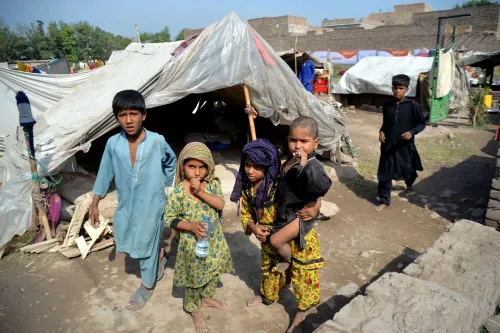
The spending choices come against a backdrop of worsening poverty. According to the Pakistan Economic Survey 2025-26, the national poverty headcount ratio climbed to 28.9 per cent in FY2024-25, up sharply from 21.9 per cent in FY2018-19. That shift pushed approximately 27 million additional people into poverty, bringing the total to around 70 million.
Rural poverty rose from 28.2 per cent to 36.2 per cent over the same period, while urban poverty surged from 11 per cent to 17.4 per cent — indicating that the crisis is not confined to the countryside.
Tax Burden Falls on Salaried Class
To finance the expanded defence budget, Pakistan's government has reportedly leaned heavily on salaried workers and formal-sector businesses through higher taxation. Critics argue this approach penalises the very segment of the economy that drives documented growth, while leaving structural reforms — and the informal sector — largely untouched.
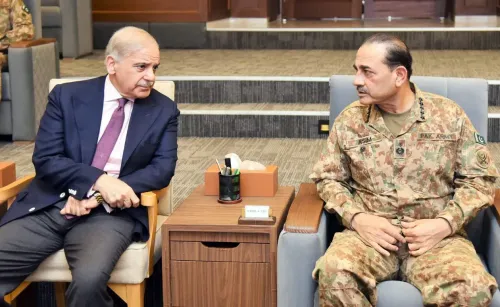
The budget's priorities, analysts note, reflect a long-standing pattern in which Pakistan's civilian leadership has limited leverage over defence appropriations. With economic stabilisation targets already under pressure, the question of whether Islamabad can sustain this spending trajectory without deepening its debt burden remains open.
Point of View
And this budget is no exception. What is striking is the timing: with the IMF watching and economic stabilisation targets in play, a decision to expand the military's share by 18 per cent signals that strategic imperatives continue to override developmental ones. The salaried class, already squeezed, is being taxed to fund an apparatus that does not directly address the poverty surge the government's own survey has documented. That contradiction will not resolve itself through BISP transfers alone.
NationPress
1 Oct 2026
Frequently Asked Questions
By how much has Pakistan increased its defence budget for FY2026-27?
Pakistan has raised defence spending by 18 per cent to 3 trillion Pakistani Rupees in the FY2026-27 federal budget. This makes defence one of the two dominant line items, alongside debt servicing, in the national outlay.
How much has Pakistan allocated for education and healthcare in FY2026-27?
The federal budget allocates approximately PKR 46 billion (around $165 million) for higher education and PKR 25 billion (around $89 million) for healthcare. Their combined total is a small fraction of the defence appropriation.
What is Pakistan's current poverty rate according to official data?
According to the Pakistan Economic Survey 2025-26, the national poverty headcount ratio stood at 28.9 per cent in FY2024-25, up from 21.9 per cent in FY2018-19. Approximately 70 million people are now classified as living in poverty.
What share of Pakistan's budget goes to debt servicing?
Debt servicing has been allocated PKR 8.054 trillion in the FY2026-27 budget. Together with defence spending, these two items account for more than 60 per cent of the total federal outlay, severely limiting space for social and development spending.
Has Pakistan increased social protection spending in the new budget?
Yes, the allocation for social protection — primarily the Benazir Income Support Programme — has risen approximately 17 per cent to PKR 838 billion (around $3.01 billion). However, analysts and critics argue this remains insufficient given the scale of rising poverty across both rural and urban Pakistan.