Pakistan poverty 2025: 38% live in multidimensional deprivation
Synopsis
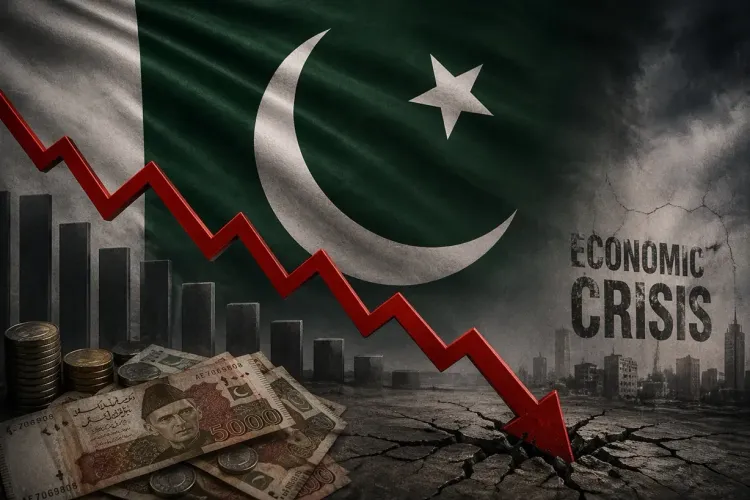
More than half of Pakistan's population is either living in multidimensional poverty or on the brink of it — and income is only part of the story. Education alone accounts for nearly half the country's deprivation score, while the 2022 floods pushed 9 million more below the poverty line. The data points to a structural crisis that welfare programmes alone cannot fix.
Key Takeaways
Nearly 38 per cent of Pakistan's population lives in multidimensional poverty, according to analysis by The Express Tribune .
An additional 13 per cent of the population is vulnerable to falling into poverty, putting more than half the country at risk.
Education is the largest contributor to deprivation, accounting for nearly half of Pakistan's overall multidimensional poverty score.
The 2022 floods affected over 33 million people and pushed an estimated 9 million below the poverty line.
Nearly 44 per cent of Pakistanis face digital deprivation, with rural communities most severely affected.
Programmes like BISP and Sehat Sahulat offer partial relief but are deemed insufficient without structural reform in education, health, and economic opportunity.
Nearly 38 per cent of Pakistan's population is trapped in multidimensional poverty, according to a report analysed by The Express Tribune, with deprivation spanning education, healthcare, housing, digital access, and climate resilience — well beyond the conventional measure of household income. A further 13 per cent of the population remains vulnerable to sliding into poverty, meaning more than half the country either lives in deprivation or teeters on its edge.
The Scale of Deprivation
The report makes clear that poverty in Pakistan can no longer be reduced to income or consumption metrics alone. Millions of households that sit marginally above the official poverty line continue to face significant barriers to quality education, healthcare, clean water, sanitation, and digital infrastructure. These compounding deficits reinforce each other, making escape from poverty structurally difficult rather than merely a matter of earning more.
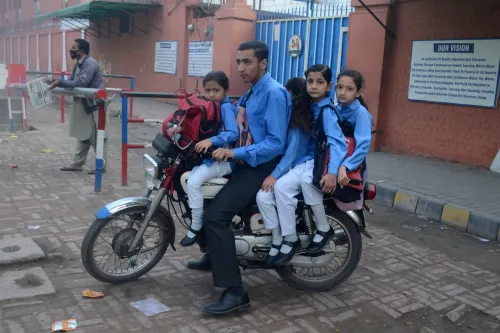
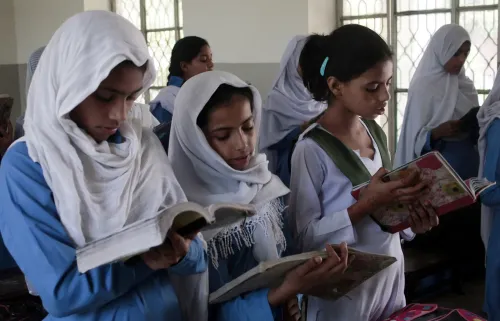
Education stands out as the single largest driver of multidimensional poverty, accounting for nearly half of Pakistan's overall deprivation score. The persistent lack of access to schooling locks millions of children into a cycle of intergenerational poverty, curtailing future economic mobility before it begins.
Climate Change as a Poverty Accelerant
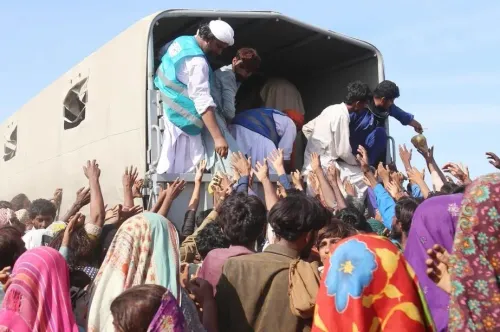
Climate shocks have dramatically worsened Pakistan's poverty landscape. The catastrophic floods of 2022 affected more than 33 million people and pushed an estimated 9 million individuals below the poverty line in a single event. The report identifies climate vulnerability as a structural poverty risk, not an isolated emergency — a recognition that development planning must account for increasingly frequent extreme weather.
Digital Exclusion and Regional Imbalances
Nearly 44 per cent of Pakistan's population experiences digital deprivation, with rural communities bearing the steepest barriers to internet access and digital services. The report attributes these disparities to decades of uneven public investment, governance failures, and entrenched regional imbalances that have left large parts of the country behind even as urban centres have developed.
Social Protection: Necessary but Insufficient
Welfare programmes such as the Benazir Income Support Programme (BISP) and the Sehat Sahulat Programme have provided some relief to vulnerable households. However, the report cautions that social protection alone cannot resolve structural poverty. It calls for a broader development strategy that integrates improvements in education, skills development, healthcare access, and economic opportunity creation — treating welfare as a floor, not a ceiling.
With more than half the population either poor or at risk of poverty, Pakistan faces a compounding challenge: rising climate exposure, a young population denied adequate schooling, and digital exclusion that limits participation in the modern economy. Structural reform, not incremental welfare, will determine whether these numbers improve over the next decade.
Point of View
But the more alarming number is the combined 51 per cent — those already poor plus those one shock away from poverty. Pakistan's poverty problem is not cyclical; it is structural. Education accounting for nearly half the deprivation score means the country is producing a generation without the human capital to break the cycle, regardless of income transfers. Meanwhile, climate exposure is not a future risk — 2022 proved it is a present-tense poverty accelerant. Welfare programmes like BISP are politically visible but fiscally limited; without parallel investment in schools, digital infrastructure, and climate adaptation, they function as a pressure valve, not a solution.
NationPress
21 Sept 2026
Frequently Asked Questions
What is multidimensional poverty and how does it apply to Pakistan?
Multidimensional poverty measures deprivation across several dimensions of life — including education, healthcare, housing, clean water, and digital access — rather than income alone. In Pakistan's case, nearly 38 per cent of the population is deprived across these dimensions simultaneously, meaning many households above the income poverty line still lack access to basic services.
How many Pakistanis are at risk of falling into poverty?
Beyond the 38 per cent already living in multidimensional poverty, another 13 per cent of Pakistan's population is considered vulnerable to falling into poverty. Together, this means more than half the country is either poor or economically precarious.
What role did the 2022 floods play in worsening poverty in Pakistan?
The devastating 2022 floods affected more than 33 million people across Pakistan and pushed an estimated 9 million individuals below the poverty line. The report identifies climate shocks as a structural poverty risk that requires integration into long-term development planning.
Why is education singled out as the biggest driver of poverty in Pakistan?
Education accounts for nearly half of Pakistan's overall multidimensional deprivation score, according to the report. Lack of access to schooling traps millions of children in intergenerational poverty by limiting their future economic opportunities before they enter the workforce.
Are Pakistan's social protection programmes enough to address poverty?
Programmes such as the Benazir Income Support Programme (BISP) and the Sehat Sahulat Programme have helped ease pressures on vulnerable households, but the report concludes that welfare support alone is insufficient. It calls for a broader strategy combining social protection with systemic improvements in education, healthcare, skills development, and economic opportunity.