Pakistan's Education System at Risk Due to Underfunding and Poor Outcomes: Disturbing New Report Revealed
Synopsis
A recently published report unveils the alarming state of Pakistan's education system, revealing severe underfunding and dismal learning outcomes that leave millions of children behind. Urgent action is needed to reverse this trend and secure a better future for the nation's youth.
Key Takeaways
Over 25.37 million children are out of school.
77% of 10-year-olds are functionally illiterate.
Education spending fell from 1.9% of GDP to a projected 0.8%.
Infrastructure and resources in schools are severely lacking.
Special education needs significant policy attention and funding.
Islamabad, March 26 (NationPress) A new government report, 'Public Financing in Education 2025–26', has highlighted the critical challenges facing Pakistan's education system, including significant underfunding, poor learning outcomes, and the alarming number of children who remain uneducated.
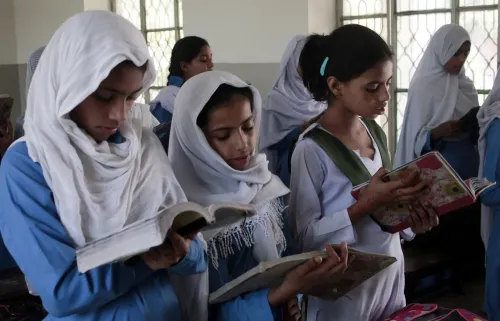
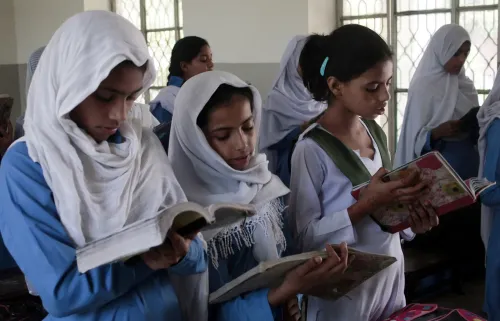
The report indicates that over 25.37 million children are currently out of school, and a staggering 77% of 10-year-olds enrolled in school lack basic literacy skills. These figures underline a national crisis that jeopardizes Pakistan's social and economic development.
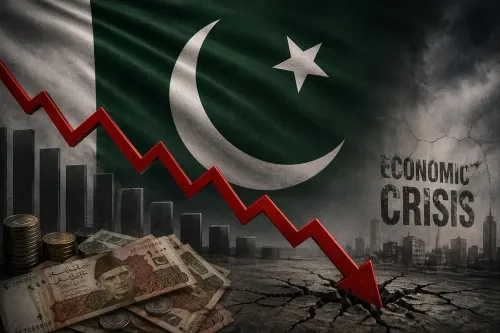
According to an editorial in Business Recorder, one of the most alarming findings is the decreasing proportion of national resources allocated to education. The expenditure on education has persistently fallen below global standards, averaging less than 2% of the GDP. The last five years have seen a troubling trend, emphasizing the low priority assigned to education within the national budget.
The share of education spending dropped from 1.9% of the GDP in 2019–20 to 1.4% in 2020–21, saw a brief rise to 1.7% in 2021–22, but fell again to 1.5% in 2022–23. The provisional estimate for 2024–25 is particularly alarming at 0.8%, indicating a further reduction in government investment in education.
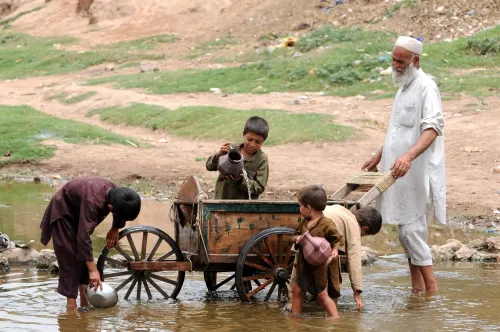
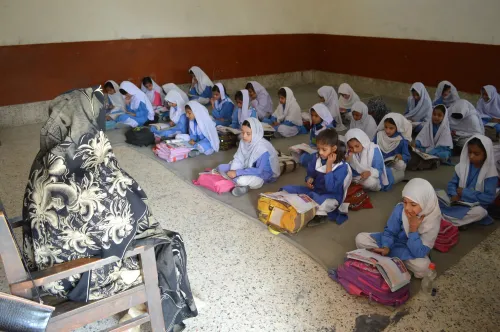
This chronic under-investment contributes to many structural challenges within the educational sector. Many schools across Pakistan lack essential infrastructure, instructional materials, and adequately trained educators.
Access to education remains inequitable, particularly in rural and marginalized regions, disproportionately affecting girls and vulnerable children, as noted in Business Recorder. Without adequate government resources, students face overcrowded classrooms, poorly qualified educators, and outdated teaching materials.
The report highlights that 77% of 10-year-olds in Pakistan are unable to read and comprehend basic texts, illustrating a severe learning crisis.
While enrolling children in school is a crucial first step, true success hinges on their ability to develop essential skills in literacy, numeracy, and critical thinking.
The high number of children failing to meet basic learning standards raises serious concerns regarding the quality of teaching, curriculum effectiveness, and classroom support.
Furthermore, the editorial in Business Recorder pointed out the neglected state of special education, an area that historically has received minimal policy focus. Children with disabilities require tailored teaching approaches, specialized staff, and suitable learning environments. Failing to address these needs not only denies their right to education but also hampers society from harnessing their potential contributions.
Point of View
It's imperative to highlight the critical findings of the report, which underscore the urgent need for enhanced funding and strategic reforms in Pakistan's education sector. Addressing these issues is essential not only for the future of millions of children but also for the nation's overall progress.
NationPress
24 Sept 2026
Frequently Asked Questions
What are the main issues highlighted in the report?
The report emphasizes severe underfunding, weak learning outcomes, and millions of children being left out of the education system.
How many children in Pakistan are out of school?
According to the report, over 25.37 million children remain out of school in Pakistan.
What percentage of school-going children are illiterate?
The report states that 77% of 10-year-olds in Pakistan cannot read and understand a simple text.
What is the current trend in education funding?
The funding for education in Pakistan has decreased from 1.9% of GDP in 2019 to a provisional estimate of 0.8% for 2024-25.
What challenges does special education face in Pakistan?
Special education in Pakistan is underfunded and often overlooked, lacking specialized teaching methods and trained staff.