Is Pakistan's Education System Hindering Economic Growth?
Synopsis
Pakistan's education system is facing critical challenges that are stifling the country's economic growth. With millions of children out of school and a significant portion of the workforce lacking essential skills, the report emphasizes the urgent need for reform. Can Pakistan turn its demographic potential into a productive advantage?
Key Takeaways
Education funding: Pakistan invests only 1.9% of GDP in education.
Skill gaps: 64% of graduates face employment challenges.
Digital skills: Curricula lack emphasis on essential skills.
Youth unemployment: Estimated at 31% among graduates.
Urgent reform needed: Immediate action is required to address these issues.
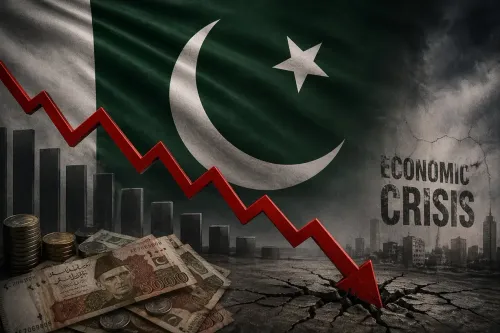
New Delhi, Jan 3 (NationPress) A recent report highlights that Pakistan is facing economic challenges due to its education and skills frameworks, which are ineffective in transforming human potential into productivity. The report from Pakistan Observer points out that insufficient public funding for education, obsolete curricula, lack of teacher training, restricted vocational options, and minimal research investment have led to enduring skill shortages and elevated youth unemployment.
With a Human Capital Index of 0.41, the report indicates that a child born today in Pakistan will only achieve 41 percent of their potential productivity, even with optimal education and health. The nation's strategic location, rich natural resources, and youthful demographic have not translated into consistent economic advancement. Instead, the report emphasizes that inadequate skills and low productivity continue to inhibit national development.
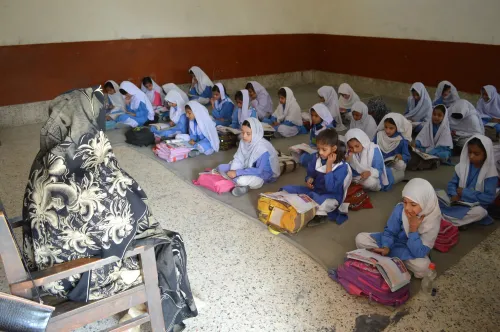
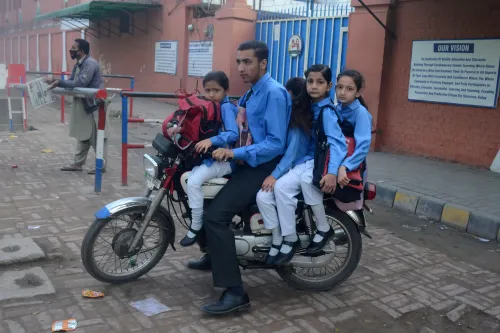
Currently, Pakistan allocates merely 1.9 percent of its GDP to education, which is significantly lower than the globally suggested 4 to 6 percent. Alarmingly, approximately 26.2 million children are out of school. The curricula lack sufficient exposure to digital skills, critical thinking, and practical learning, resulting in a workforce that is ill-equipped for technological advancements.
Surveys cited in the report reveal that 64 percent of graduates encounter employment challenges due to skill mismatches, with youth unemployment among graduates estimated at about 31 percent. Additionally, the report highlights that research funding is scarce, and higher education is often disconnected from industry requirements. Teacher quality is compromised due to insufficient training and limited professional growth opportunities.
“Research indicates low participation in ongoing learning among teachers, adversely affecting classroom results. Without enhancing educator quality, advancements in curricula or funding are unlikely to bring about meaningful change,” it stated.
Limited apprenticeship programs leave numerous graduates unprepared for the workforce, and 58 percent of employers reported challenges in finding suitable candidates.
“Without immediate intervention, Pakistan risks transforming its demographic edge into a demographic burden, with millions of young individuals excluded from valuable employment,” the report warns.
aar/
Point of View
Our stance is clear: Pakistan must prioritize education reform to unlock its economic potential. The current state of the education system is a pressing issue that demands immediate action to ensure a prosperous future for the nation.
NationPress
19 Sept 2026
Frequently Asked Questions
What is the current state of education in Pakistan?
Pakistan's education system suffers from low public investment and outdated curricula, leading to significant skill shortages and high youth unemployment.
How many children are currently out of school in Pakistan?
Approximately 26.2 million children are currently out of school in Pakistan.
What is the Human Capital Index of Pakistan?
Pakistan's Human Capital Index is 0.41 , indicating that a child born today will realize only 41% of their potential productivity.
What are the main challenges facing graduates in Pakistan?
Graduates face employment difficulties largely due to skill gaps, with around 64 percent reporting challenges in finding jobs.
What steps can be taken to improve education in Pakistan?
Enhancing public funding, updating curricula, and increasing teacher training are critical steps to improving the education system in Pakistan.