Is Pakistan's Education Crisis Its Biggest Economic Threat?
Synopsis
Pakistan's education crisis has escalated into a significant economic vulnerability, with alarming literacy rates. A recent report sheds light on the staggering number of out-of-school children, emphasizing the urgent need for reform in the education sector.
Key Takeaways
Pakistan ranks last in South Asia for literacy.
63% literacy rate is 15% below the regional average.
20 million children are out of school, highlighting systemic failures.
Gender disparity persists, especially in rural areas.
Educational reforms are urgently needed for economic stability.
Islamabad, Feb 8 (NationPress) Recent statistics reveal that Pakistan has been positioned last in South Asia for literacy rates, highlighting its education crisis as a crucial economic weakness, as reported by local media.
According to a report from the Free and Fair Election Network, Pakistan's literacy rate has reached 63%, which is a shocking 15 percentage points below the regional average of 78%. In today’s competitive global market, no country can prosper with an uneducated workforce. This situation transcends mere educational failure; it represents a profound economic vulnerability, as emphasized by an editorial in the Express Tribune.
The report further indicates that even if Pakistan were to eliminate terrorism today, establishing advanced industries would remain infeasible, given that every third citizen is illiterate.
The editorial elaborates, “We have experienced authoritarian rule, enlightened moderation, controlled democracy, crony capitalism, and Islamic socialism, all of which pledged success but ultimately fell short. Despite the unique reasons for each failure, they all lacked a focus on educating the future workforce.”
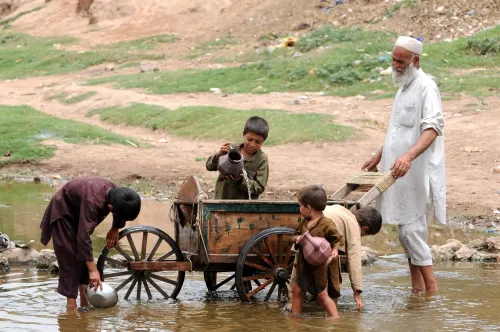
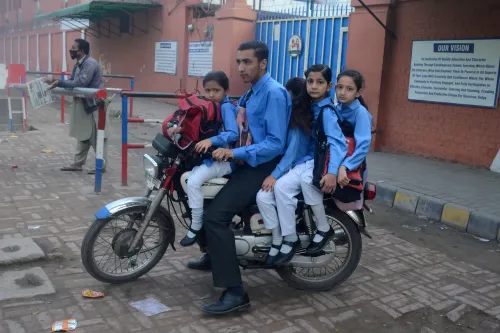
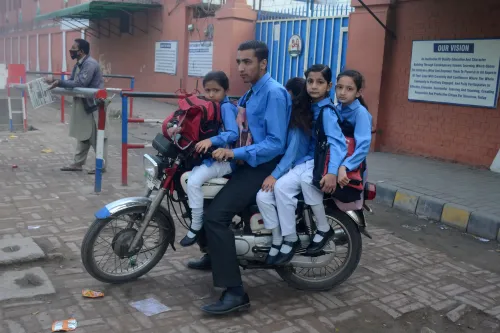
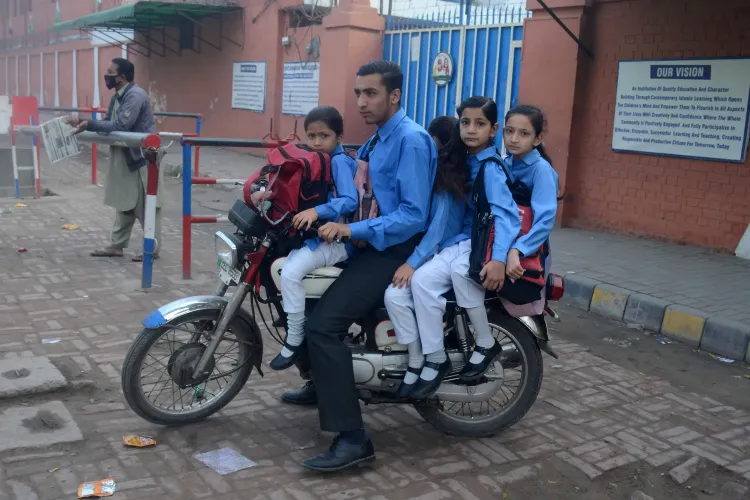
Furthermore, recent findings reveal that approximately 28% of school-aged children in Pakistan—around 20 million—are still out of school, showcasing structural failures that cannot be addressed through political rhetoric.
As per an editorial in Business Recorder, “The latest results from the Household Integrated Economic Survey (HIES) provide a stark reality check on Pakistan’s educational and human development progress. Despite numerous declarations of an 'education emergency,' 28% of school-aged children—around 20 million—remain out of school.”
While this statistic marks a decrease from 25.3 million in 2019, the progress over the past six years has been excruciatingly slow and uneven, revealing systemic failures that political promises cannot remedy.
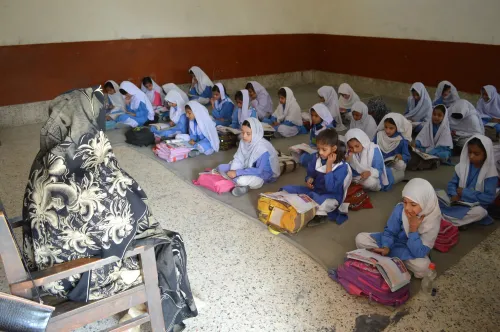
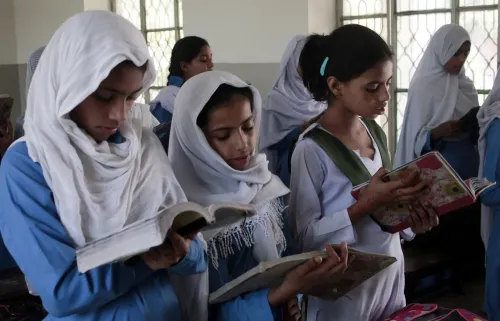
The survey also underscores the persistence of inequality. Rural girls, especially in Sindh and Balochistan, continue to face significant barriers to education. In Pakistan, one in four boys is out of school, and nearly one in three girls faces the same fate.
This gender disparity highlights entrenched social norms, pervasive poverty, and inadequate public education resources. Economic pressures compel many boys to start working at a young age, while girls often cannot attend school due to family constraints, perceived irrelevance of education, or financial hurdles, as noted in the editorial. The fact that 20% of children have never enrolled in school indicates a failure at the very outset of the educational system.
Point of View
I believe that addressing Pakistan's education crisis is crucial for our future. The statistics are alarming, and they reflect deeper systemic issues that require immediate action. Our nation must prioritize education reform to ensure a skilled workforce capable of driving economic growth and stability.
NationPress
2 Sept 2026
Frequently Asked Questions
What is the current literacy rate in Pakistan?
Pakistan's current literacy rate stands at 63%, which is significantly below the South Asian average of 78%.
How many children in Pakistan are out of school?
Approximately 20 million children in Pakistan, or 28% of school-age children, remain out of school.
What are the implications of low literacy rates?
Low literacy rates hinder economic growth, limit job opportunities, and contribute to social disparities in Pakistan.
What regions in Pakistan face the most educational challenges?
Rural areas, particularly Sindh and Balochistan, face significant educational challenges, especially for girls.
What steps can be taken to improve education in Pakistan?
Improving education in Pakistan requires systemic reforms, increased funding, and targeted programs to address gender disparities and rural access.