West Bengal advisors resign as TMC loses power, Mamata refuses to quit
Synopsis
The Advisory Post Controversy
The resignations shine a spotlight on a practice that began when Banerjee first assumed office in 2011, ending the 34-year-long Left Front regime and ushering in what would become a 15-year Trinamool Congress rule. Banerjee had made it a policy to retain retiring senior bureaucrats and police officers in advisory roles, compensating them at their last drawn official salaries. Her stated rationale was that their institutional experience was indispensable for smooth administration.
The practice drew sustained criticism from opposition parties, particularly the Bharatiya Janata Party (BJP), which argued that keeping retired officials on such salaries was fiscally irresponsible — especially when the state government was unable to disburse Dearness Allowances to serving state employees at par with Central government rates. The BJP further alleged that the arrangement amounted to rewarding officials for carrying out politically motivated tasks during their tenures in service.
What Happens Next
With the TMC's electoral mandate ending and a new government set to take charge, the advisory positions held by these officials are expected to lapse. The pace of resignations suggests that many advisors are not waiting for a formal transition — a signal, perhaps, of how quickly the political winds in Kolkata have shifted. Whether Banerjee's continued refusal to resign prolongs the transition or triggers a constitutional standoff with the Governor remains to be seen.
Key Takeaways
Economist Abhirup Sarkar resigned as chairman of both WBIDC and WBSIDC following the TMC's election defeat.
Retired IAS officers Alapan Bandopadhyay and H.K.
Dwivedi , both former West Bengal Chief Secretaries, resigned as advisors to Mamata Banerjee .
Former Advocate General Kishore Datta resigned on Monday ; resignation of former Chief Secretary Manoj Pant is unconfirmed.
Banerjee has refused to resign, alleging around 100 seats were "stolen" and that the result does not reflect true public mandate.
The advisory post practice, started in 2011 , was criticised by the BJP as fiscally irresponsible and politically motivated.
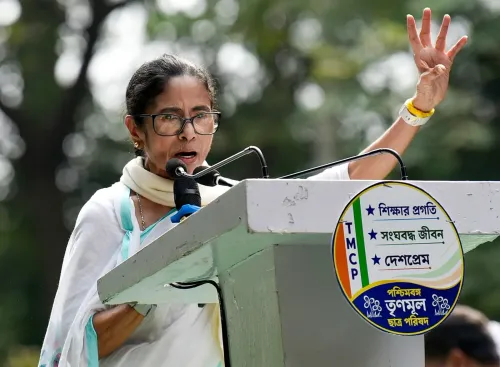
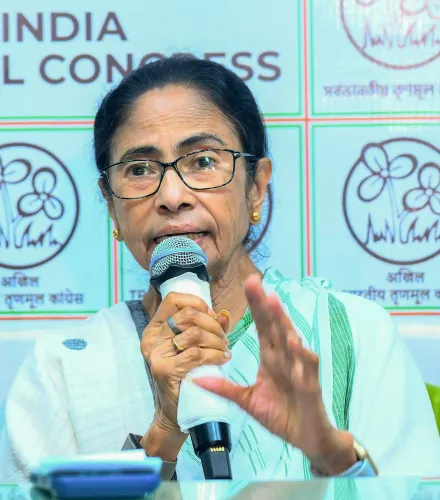
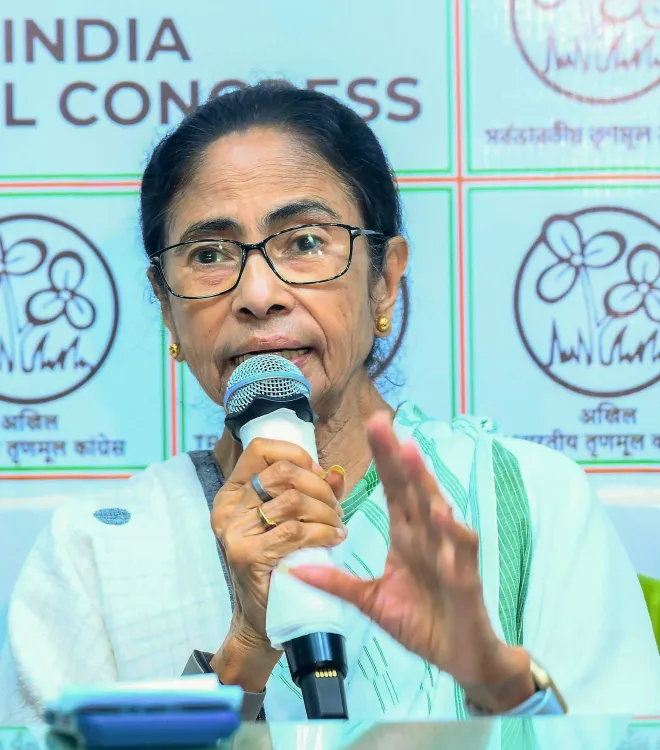
A wave of resignations has swept through the advisory apparatus of the outgoing Trinamool Congress (TMC) government in West Bengal, as senior bureaucrats and economists who held advisory posts under Chief Minister Mamata Banerjee begin stepping down following the party's electoral defeat. The exits come even as Banerjee has publicly refused to submit her resignation to Governor R.N. Ravi, contesting the legitimacy of the results.
Key Resignations So Far
The most prominent departure is that of renowned economist Abhirup Sarkar, who has simultaneously relinquished his dual chairmanship of the West Bengal Industrial Development Corporation (WBIDC) and the West Bengal Small Industries Development Corporation (WBSIDC). An insider from the state secretariat at Nabanna confirmed that Sarkar submitted his resignation via email.
Two retired Indian Administrative Service (IAS) officers — Alapan Bandopadhyay and H.K. Dwivedi, both former West Bengal Chief Secretaries — have also tendered their resignations as advisors to the outgoing Chief Minister. Additionally, unconfirmed reports indicate that another former Chief Secretary, Manoj Pant, has resigned as principal secretary to Banerjee, though neither Pant nor the state secretariat has officially confirmed this. On Monday, the state's erstwhile Advocate General Kishore Datta had already stepped down.
Mamata's Defiant Stand
Despite the electoral rout, Banerjee declared on Tuesday that she would not send her resignation to Governor Ravi. She maintained that the TMC's defeat — including her personal loss at the Bhabanipur Assembly constituency in South Kolkata — did not reflect the true public mandate, alleging that around 100 seats had been
Point of View
Meanwhile, is constitutionally untenable but politically calculated — it keeps her narrative of a stolen mandate alive for her base. The deeper question is whether the advisory post model, long criticised as a fiscal and governance distortion, will be dismantled by the incoming government or quietly replicated under a different name.
NationPress
22 Sept 2026
Frequently Asked Questions
Why are advisors to Mamata Banerjee's government resigning?
Following the Trinamool Congress's defeat in the West Bengal elections, advisory-post holders appointed by Chief Minister Mamata Banerjee have begun stepping down. These officials held positions in state corporations and as personal advisors, and their roles are expected to lapse with the change of government.
Who are the most prominent officials to have resigned so far?
Economist Abhirup Sarkar resigned as chairman of both WBIDC and WBSIDC. Retired IAS officers Alapan Bandopadhyay and H.K. Dwivedi, both former Chief Secretaries, resigned as advisors to Banerjee. Former Advocate General Kishore Datta resigned on Monday.
Why has Mamata Banerjee refused to resign as Chief Minister?
Banerjee has said the election results do not reflect the true public mandate, alleging that around 100 seats were stolen. She has refused to send her resignation to Governor R.N. Ravi despite the TMC's defeat, including her own personal loss at the Bhabanipur constituency.
What was the controversy around advisory posts in the Banerjee government?
Since 2011, Banerjee's government retained retiring senior bureaucrats and police officers in advisory roles at their last drawn salaries. The BJP criticised this as fiscally irresponsible — particularly given the state's inability to pay Dearness Allowances at par with Central employees — and alleged it rewarded officials for political loyalty.
What happens to advisory posts when a new government takes over in West Bengal?
Advisory positions tied to the outgoing Chief Minister's office are expected to lapse once a new government assumes charge. The ongoing wave of resignations suggests most advisors are stepping down voluntarily ahead of a formal transition.