Bengal BJP bans defections, warns against revenge politics after poll results
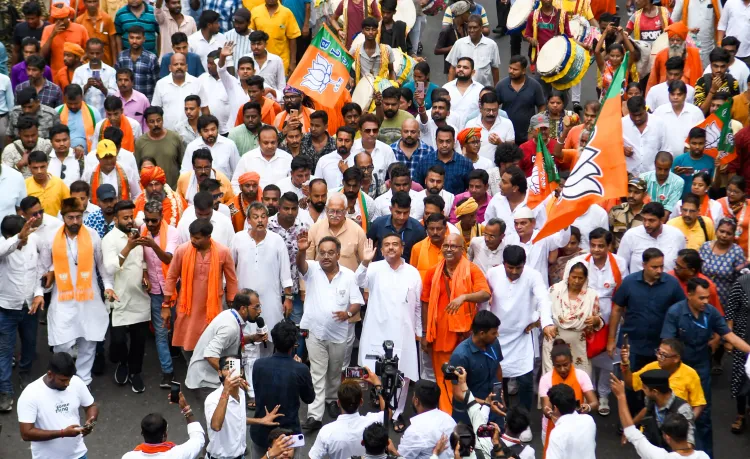
Synopsis
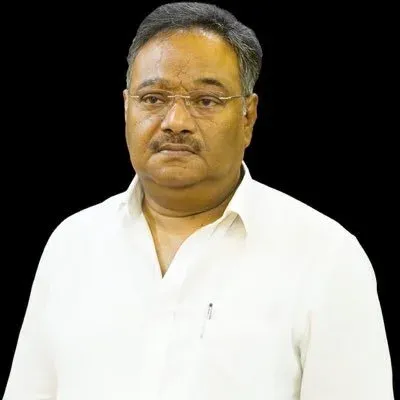
Unlike the TMC's open-door defection strategy of 2011, Bengal BJP is drawing a hard line — no defectors, no revenge politics. State president Samik Bhattacharya's public warning against forceful office takeovers signals a deliberate attempt to project discipline in a state where post-poll violence is already drawing Election Commission scrutiny.
Key Takeaways
Bengal BJP state committee has issued a strict directive barring leaders from accepting defectors from rival parties at any level.
State president Samik Bhattacharya warned that forceful takeovers of rival party offices and hoisting of BJP flags will invite strong disciplinary action.
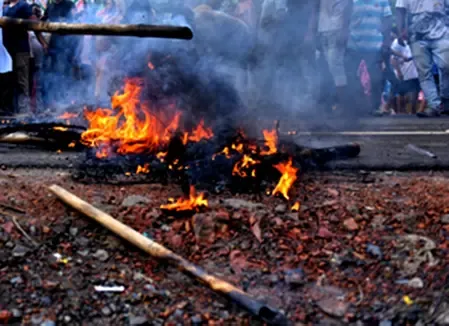
The Election Commission of India (ECI) has directed West Bengal 's Chief Secretary, Director General of Police, and CAPFs to maintain zero tolerance towards post-poll violence.
The ECI directive followed reports of multiple violence incidents across the state after West Bengal Assembly election results were declared on Monday.
BJP leaders cited the TMC 's 2011 experience as a cautionary tale, arguing that mass defections brought in "bad elements" who continued earlier patterns of atrocities.
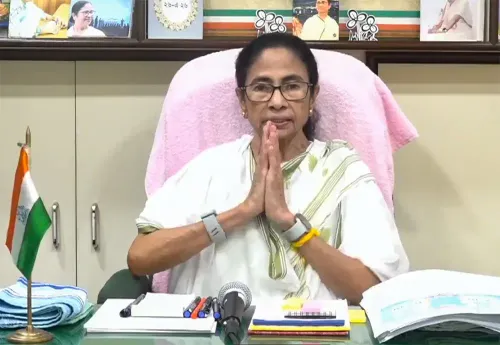
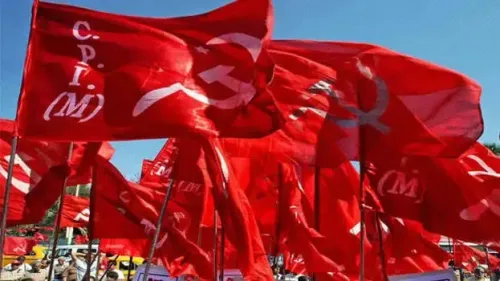
The West Bengal unit of the Bharatiya Janata Party (BJP) has formally decided to refrain from encouraging defections of elected representatives from rival parties and will not accept them into its ranks, according to a directive issued by the state committee. The decision marks a deliberate departure from the approach adopted by Chief Minister Mamata Banerjee-led All India Trinamool Congress (TMC) when it swept to power in 2011, ending the Left Front's 34-year rule in the state.
The State Committee's Directive
A strict instruction has been issued by the BJP state committee that any leader from another party — whether an elected public representative or a prominent figure — who approaches a BJP leader, legislator, or Member of Parliament seeking to join the party must be turned away. The directive applies across all levels of elected office.
A state committee member, speaking on condition of anonymity, explained the reasoning behind the decision.
Point of View
The BJP cannot afford to absorb the same cast of characters it criticised — especially with post-poll violence already under the Election Commission's lens. Yet the real test will come under the pressure of governance: historically, ruling parties in Bengal have found it difficult to resist the numerical comfort that defections offer. Whether this directive holds once the dust of election season settles is the question mainstream coverage is not yet asking.
NationPress
21 Sept 2026
Frequently Asked Questions
Why has Bengal BJP decided against accepting defectors from other parties?
The BJP's West Bengal state committee has issued a directive barring its leaders from welcoming defectors, citing the TMC's experience in 2011 when mass defections allegedly brought in individuals who continued patterns of political violence and atrocities. The party also flagged the risk of internal feuds between old and new lobbies as a reason to avoid encouraging defections.
What has BJP state president Samik Bhattacharya said about post-poll violence?
Samik Bhattacharya, BJP's West Bengal state president and Rajya Sabha member, has warned that forceful takeovers of rival party offices and hoisting of BJP flags will not be tolerated. He said the party will take strong disciplinary action against those involved and urged the administration to act without regard for party affiliation.
What action has the Election Commission taken on post-poll violence in West Bengal?
The Election Commission of India has directed West Bengal's Chief Secretary, Director General of Police, and Central Armed Police Forces deployed in the state to maintain zero tolerance towards post-poll violence. The directive followed reports of multiple violent incidents across the state after election results were declared.
How does BJP's approach differ from TMC's strategy in 2011?
When TMC came to power in 2011 after ending the Left Front's 34-year rule, it reportedly opened its doors to defectors from across parties, including elements from the outgoing Left Front government. BJP is explicitly rejecting this approach, saying it will not encourage defections at any level of elected office.
What risks does the BJP associate with encouraging defections?
BJP state committee members have cited two key risks: first, that defectors may bring along individuals with poor track records of governance or violence; and second, that absorbing defectors creates internal party conflict between established members and new entrants competing for influence and posts.