Educational Challenges in Pakistan: Why Girls are Vanishing from Schools
Synopsis
A recent report sheds light on the troubling trend of girls dropping out of Pakistan's educational system as they reach adolescence. This article explores the structural gaps, policy shortcomings, and societal pressures that contribute to this alarming phenomenon.
Key Takeaways
Structural deficiencies hinder girls' retention in schools.
The transition to secondary education is the most vulnerable point.
Safety concerns and distance to schools are major challenges.
Female literacy rates are significantly lower than male counterparts.
The shortage of female teachers impacts girls' educational continuity.
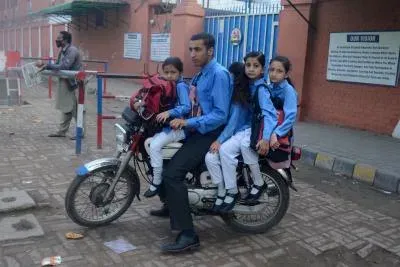
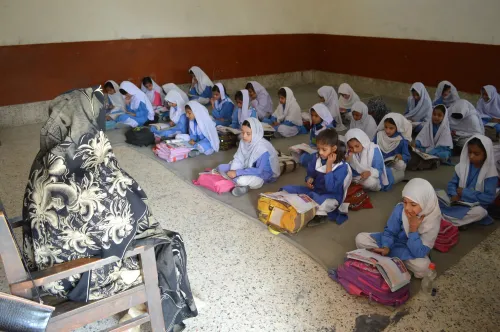
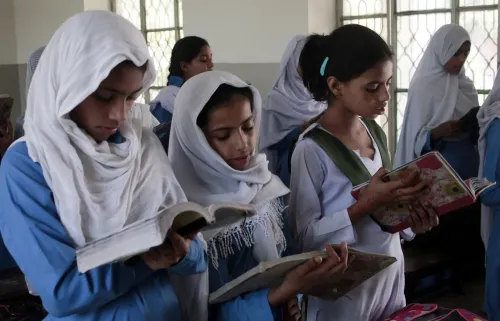
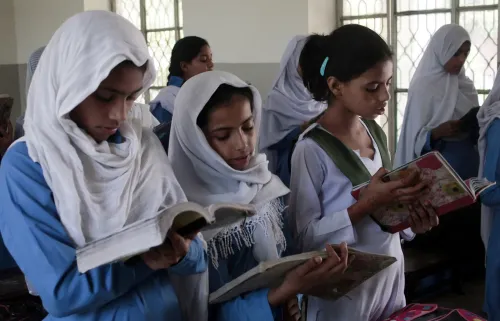
London, March 25 (NationPress) The educational landscape in Pakistan is grappling with significant challenges in retaining female students. Initially, young girls don their crisp uniforms and attend classes, but a concerning trend emerges as they approach their teenage years, resulting in many exiting the education system, according to a recent report.
"In classrooms throughout Pakistan, the narrative often starts with hope. Young girls, dressed in neat uniforms, hold textbooks, engage in lessons, and take pictures that signify advancement. These early years, often celebrated in official reports, create an impression of enhanced access and opportunity. However, beneath this carefully curated facade lies a more concealed reality," Sakariya Kareem noted in the UK-based publication, Asian Lite.
"As these girls transition into adolescence, countless drop out of the education system—not by their own volition, but due to a gradual accumulation of structural deficiencies, policy shortcomings, and societal pressures. While Pakistan’s education system has made strides in enrolling girls, it falters when it comes to their retention," Kareem elaborated.
As per the latest insights from the 'Status of Girls’ Education in Pakistan' report, backed by organizations like the Malala Fund, primary school enrollment has seen improvements across various regions. Yet, this advancement conceals a critical vulnerability—retention. The shift from primary to secondary education represents the most precarious phase in the system.
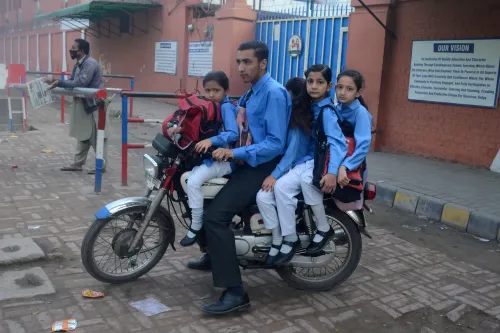
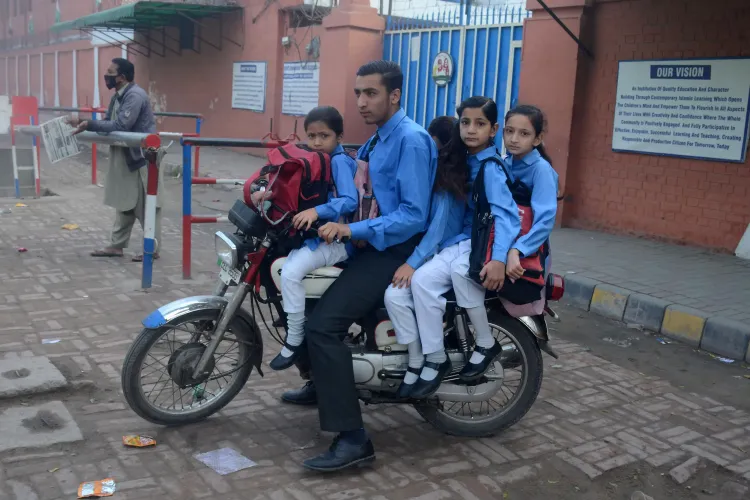
Girls who complete their education up to the fifth grade often face obstacles that effectively truncate their academic journey. The scarcity of middle and secondary schools, often located far from their homes, poses significant travel challenges, especially in rural communities. Concerns regarding safety, lack of transportation, and societal expectations create an environment where pursuing further education becomes increasingly difficult.
The article emphasizes that this issue is not isolated but rather a systemic pattern observable across Pakistan’s provinces, highlighting overarching deficiencies rather than isolated cases.
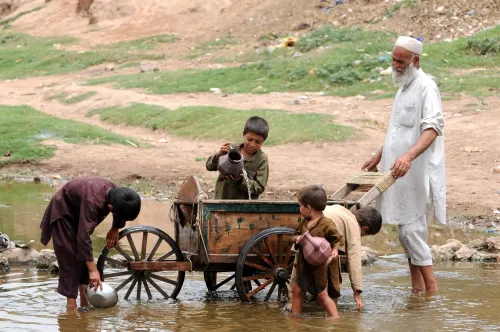
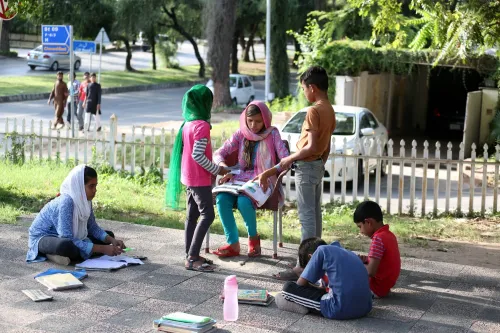
"The broader educational context underscores the severity of the issue. Recent statistics indicate that nearly 28 percent of children in Pakistan remain out of school, with girls disproportionately affected. This widespread exclusion accounts for millions of children who either never step into a classroom or leave prematurely. Gender disparities are further reflected in literacy rates, where female literacy in Pakistan hovers around 49 percent, significantly lower than that of males," the Asian Lite report further elaborated.
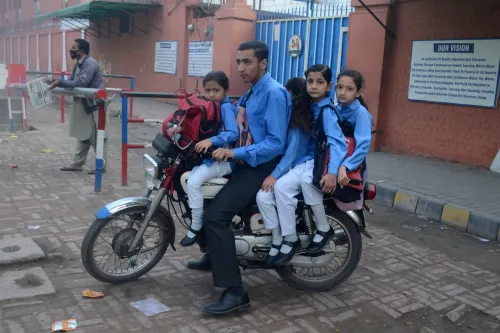
Education advocates and observers have frequently referred to the transition from primary to secondary education in Pakistan as an "invisible wall." Distance to educational institutions is frequently cited as a major obstacle. Secondary schools are often situated far from villages and small towns, making commuting for female students impractical or unsafe. Families are often reluctant to allow their adolescent daughters to travel long distances without reliable transportation.
"The makeup of the teaching workforce also significantly influences this situation. Reports such as 'The Missing Ustani' by Tabadlab highlight a critical shortage of female teachers, especially in rural regions. While younger students may be instructed by male teachers without issue, families often perceive the lack of female educators as a barrier preventing older girls from continuing their education.
"Concerns regarding safety, cultural norms, and trust play pivotal roles in decisions that remove girls from classrooms. These elements, coupled with economic pressures and domestic duties, create a landscape where withdrawal from education becomes the most likely outcome," Sakariya Kareem concluded.
Point of View
It’s crucial to recognize that the challenges facing girls in Pakistan's education system are systemic rather than isolated incidents. The alarming dropout rates among female students highlight the need for comprehensive policy reforms and community engagement to ensure equal educational opportunities for all.
NationPress
24 Sept 2026
Frequently Asked Questions
What are the main reasons girls drop out of school in Pakistan?
The primary reasons include structural gaps in the education system, safety concerns, lack of transportation, and societal expectations that pressure girls to withdraw from education.
How does the transition from primary to secondary education impact girls?
The transition is particularly fragile, as many girls face obstacles such as fewer secondary schools, long distances to travel, and cultural barriers that discourage continued education.
What is the current literacy rate for girls in Pakistan?
Female literacy in Pakistan is approximately 49%, significantly lower than that of males, reflecting broader gender disparities in education.
What role do female teachers play in girls' education?
The shortage of female teachers, especially in rural areas, creates barriers for older girls, as families often prefer female educators for their daughters.
How can the education system in Pakistan be improved?
Improvements could include increasing the number of secondary schools, ensuring safe transportation options, and addressing cultural norms that hinder girls' education.