Why Does Pakistan's Education System for Girls Fail After Grade 5?
Synopsis
The transition from primary to secondary education in Pakistan presents significant barriers for girls. With systemic failures leading to a stark drop-off in educational participation, it’s crucial to understand the challenges and advocate for change. Join us as we delve into the findings of a critical report shedding light on this urgent issue.
Key Takeaways
Significant barriers exist for girls transitioning from primary to secondary education in Pakistan.
The education system is failing to retain girls as they approach adolescence.
Distance to schools and safety concerns are major factors impacting girls' education.
Basic literacy skills are insufficient; girls require access to full educational opportunities.
Meaningful change is necessary to ensure every girl has access to secondary education.
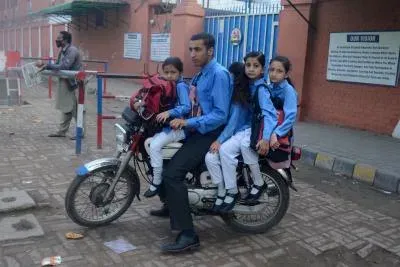
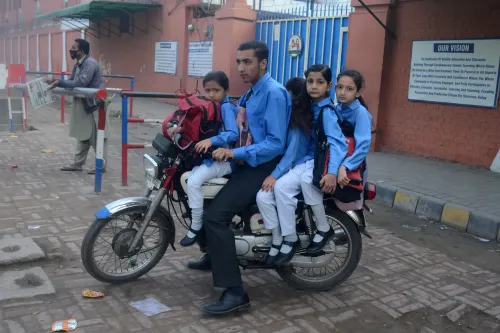
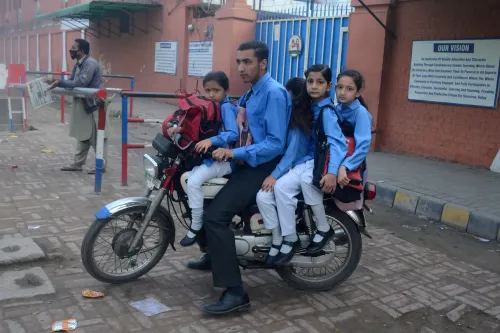
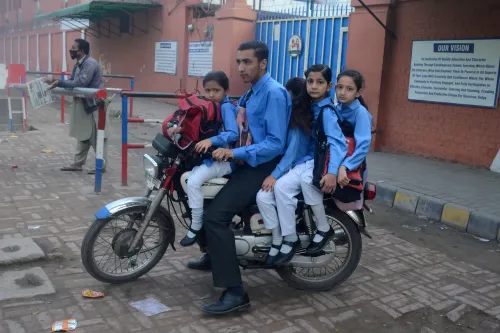
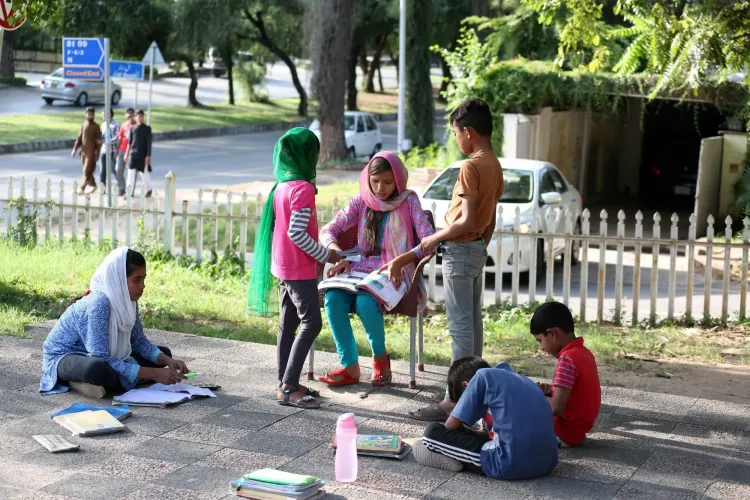
Islamabad, Jan 29 (NationPress) The education system in Pakistan faces significant challenges during the critical transition from primary to secondary schooling, where girls finishing Grade 5 confront an “invisible wall”. With middle schools located far away, unsafe travel options, a predominantly male teaching workforce, and families hesitant to support further education, many girls find themselves abandoned after primary school, as highlighted in a recent report.
In an article for The Express Tribune, Nishat Riaz, the Chief Executive of Malala Fund Pakistan, articulated that this situation is not due to a lack of ambition; rather, Pakistan's girls are eager to learn and have overcome numerous obstacles such as floods, conflict, and poverty to attend school, only to hit a systemic barrier that halts their progress.
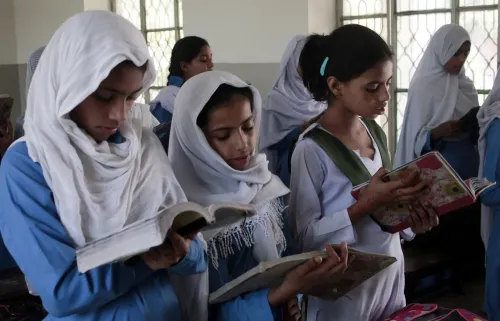
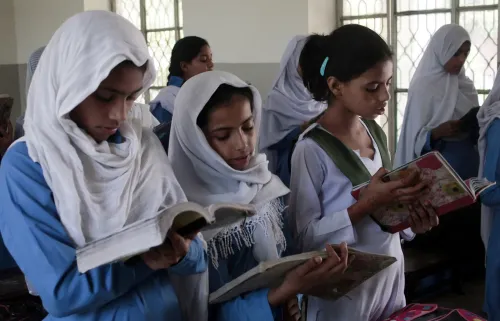
“In Pakistan, we excel at celebrating the beginnings of education – a new school building, joyful photos of girls with textbooks, and media-covered ribbon-cutting ceremonies. These moments are important, but they distract us from a more troubling reality: far too many girls vanish from education when it should be transforming their lives,” stated Riaz.
The forthcoming report titled 'Status of Girls' Education in Pakistan' reveals that while there is some visible progress at the primary level, a concerning pattern emerges as girls grow older; those who enter school with enthusiasm and dreams often disappear from classrooms as they approach adolescence. They don’t simply drop out; they are effectively pushed out.
The report indicates that although teacher shortages are part of a broader systemic issue, the true vulnerability of Pakistan's education framework lies in retention, not enrollment.
“There are significantly fewer middle and secondary schools compared to primary ones, often positioned at distances that are simply impractical for girls. This distance intersects with safety concerns, unpaid domestic responsibilities, societal expectations, and poverty. Without safe transportation or nearby educational facilities, the constitutional promise of education fades away by the age of ten,” it elaborated.
“What we provide is basic literacy – enough to read but not to lead; sufficient to comply but not enough to challenge the status quo. This early cessation of education is an injustice. For too long, we have regarded primary education as adequate for girls. It is far from sufficient. A girl who can read possesses a skill; a girl who completes secondary education has options,” it pointed out.
The report emphasizes the deteriorating state of secondary education in Pakistan, stating, “No nation can prosper while leaving half its population behind during adolescence. If we are genuinely committed to girls' education, it’s time to move past mere symbolism and into actionable systems.”
Point of View
We must prioritize educational reforms to ensure that every girl has the opportunity to thrive academically beyond primary school. It is essential to address the barriers that impede their progress and to foster a system that nurtures their ambitions and potential.
NationPress
24 Sept 2026
Frequently Asked Questions
What are the main challenges faced by girls in education in Pakistan?
The primary challenges include distant middle schools, unsafe transportation, a male-dominated teaching workforce, and families that are hesitant to support continued education. These factors contribute to a significant drop-off in educational participation after Grade 5.
Why is retention more critical than enrollment in girls' education?
While enrollment numbers may appear promising, retention indicates whether students remain in the education system long enough to benefit from it. Many girls are pushed out of the system due to systemic barriers, making retention a more pressing issue.
What does the report suggest regarding girls' education in Pakistan?
The report emphasizes the need for systemic changes to address the barriers preventing girls from progressing into secondary education and highlights the importance of creating safe and accessible educational environments.
How can we improve girls' education in Pakistan?
Improving girls' education requires addressing safety concerns, increasing the number of middle and secondary schools, providing adequate transportation, and challenging societal norms that hinder girls' education.
What role does the government play in girls' education?
The government must prioritize educational reforms, allocate resources to build more schools, and ensure safe transportation options to create an inclusive environment for girls to continue their education.