Pakistan mental health crisis: 32.4 million affected as poverty hits 29%
Synopsis
Pakistan's mental health burden has grown to 32.4 million people — and the country has only around 1,050 psychiatrists to serve them. With the poverty rate jumping from 22% in 2019 to 29% in 2025 and 72.6 million below the poverty line, economic despair is accelerating psychological distress in a country where stigma and cost keep most sufferers from ever seeking help.
Key Takeaways
Pakistan's mental health caseload rose from 30 million in 2019 to 32.4 million in 2023 , according to an analysis by The Friday Times .
The country has only approximately 1,050 registered psychiatrists for a population exceeding 230 million .
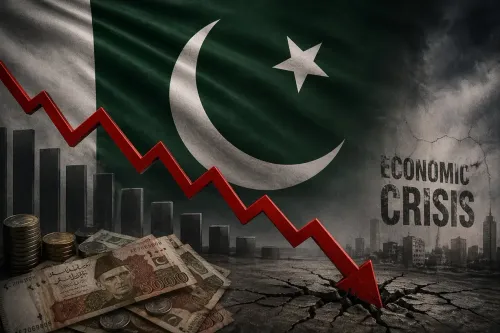
Pakistan's national poverty rate climbed to 29 per cent by 2025, up from 22 per cent in 2019, according to World Bank data cited in the report.
An estimated 72.6 million people were living below the poverty line in 2024 .
Social stigma, geographic inequality of care, and cost barriers prevent many from accessing treatment.
The report calls for greater investment in mental healthcare, public awareness, and stronger social support systems.
Pakistan is confronting a deepening mental health emergency, with the number of people living with psychological conditions rising from 30 million in 2019 to 32.4 million in 2023, according to an analysis by The Friday Times. The surge is being driven by worsening economic distress, a critical shortage of trained specialists, and entrenched social stigma that discourages millions from seeking care.
Scale of the Crisis
The figures underscore a public health challenge of considerable magnitude. Despite a population exceeding 230 million, Pakistan has only approximately 1,050 registered psychiatrists nationwide — a ratio that falls far short of even the most basic recommended standards. The gap between need and availability is widest in smaller towns and rural areas, where specialist services are particularly scarce, leaving large segments of the population effectively without access to professional mental healthcare.
Economic Strain as a Catalyst
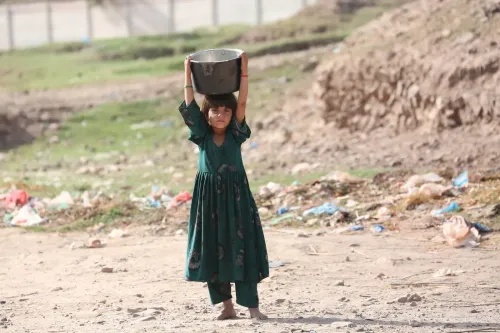
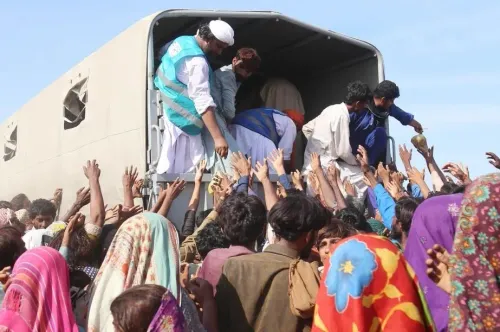
The mental health surge is unfolding against a backdrop of severe economic hardship. According to World Bank figures cited in the report, Pakistan's national poverty rate climbed to 29 per cent by 2025, up sharply from 22 per cent in 2019. An estimated 72.6 million people were living below the poverty line in 2024. As the report noted, 'behind these figures are households making difficult choices between food, education, healthcare, and other basic requirements.'
The analysis warns that prolonged financial hardship can trigger or worsen depression and other psychological disorders, creating a self-reinforcing cycle in which economic difficulties and mental distress compound each other over time. This cycle is particularly acute for households where the primary earner has lost income or employment amid Pakistan's broader economic contraction.
Structural Barriers to Care
Beyond the shortage of psychiatrists, several structural barriers prevent adequate treatment. Social stigma surrounding mental illness remains deeply embedded across communities, causing many individuals to delay or entirely forgo professional help. Limited affordability is another significant obstacle — private psychiatric care is largely out of reach for lower-income households, while public mental health infrastructure remains chronically underfunded.
The uneven geographic distribution of available specialists further widens the treatment gap, concentrating care in major urban centres such as Karachi, Lahore, and Islamabad while leaving rural populations with little to no recourse.
Calls for Systemic Reform
The analysis issued by The Friday Times calls for substantially greater investment in mental healthcare services, improved public awareness campaigns to reduce stigma, and the development of stronger social support systems. Experts cited in the report characterise Pakistan's mental health situation as an increasingly urgent national public health challenge — one that risks compounding economic and social instability if left unaddressed.
With poverty projected to remain elevated in the near term and specialist training pipelines unlikely to close the gap quickly, the scale of Pakistan's mental health burden is expected to grow before conditions improve.
Point of View
At its core, an economic crisis wearing a clinical mask. The jump from 22% to 29% poverty between 2019 and 2025 tracks almost precisely with the rise in reported psychological conditions — yet the policy response has focused far more on macroeconomic stabilisation than on the human cost of that instability. With only 1,050 psychiatrists for 230 million people, the care deficit is structural and will not be resolved by awareness campaigns alone. What is missing is a funded, enforceable mental health policy that ties IMF-era austerity conditions to minimum healthcare floors — something neither Islamabad nor its multilateral creditors have seriously proposed.
NationPress
3 Nov 2026
Frequently Asked Questions
How many people in Pakistan are affected by mental health conditions?
According to an analysis by The Friday Times, the number of people living with mental health conditions in Pakistan rose from 30 million in 2019 to 32.4 million in 2023. The increase reflects growing economic pressures and limited access to care.
How many psychiatrists does Pakistan have?
Pakistan has approximately 1,050 registered psychiatrists nationwide, which is critically insufficient for a population of over 230 million. Specialists are concentrated in major cities, leaving rural and smaller-town populations with very limited access.
What is Pakistan's poverty rate and how does it relate to mental health?
Pakistan's national poverty rate reached 29 per cent by 2025, up from 22 per cent in 2019, according to World Bank figures cited in the report. Prolonged financial hardship is identified as a key trigger for depression and other psychological disorders, creating a cycle where economic distress and mental illness reinforce each other.
What barriers prevent people in Pakistan from accessing mental healthcare?
The three main barriers are a severe shortage of psychiatrists, deep social stigma surrounding mental illness, and the high cost of private psychiatric care. Geographic inequality further limits access, as specialists are largely concentrated in urban centres.
What solutions have been proposed for Pakistan's mental health crisis?
The Friday Times analysis calls for significantly greater government investment in mental healthcare infrastructure, public awareness campaigns to combat stigma, and stronger social support systems. Experts characterise the situation as a national public health emergency requiring urgent and sustained policy attention.