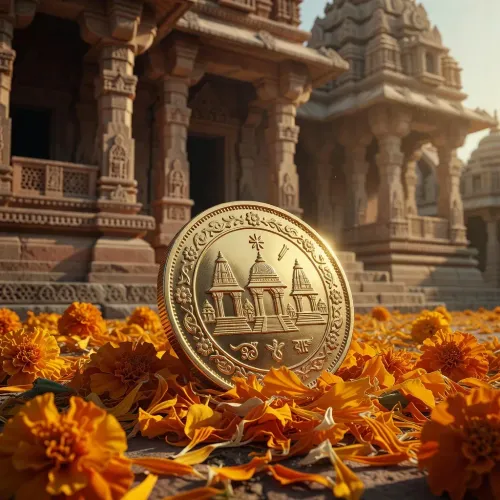
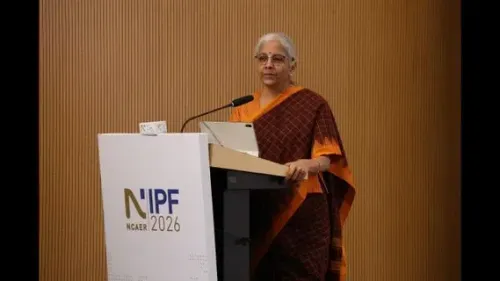
Sitharaman releases commemorative coin for Dikshitar's 250th birth anniversary
Synopsis
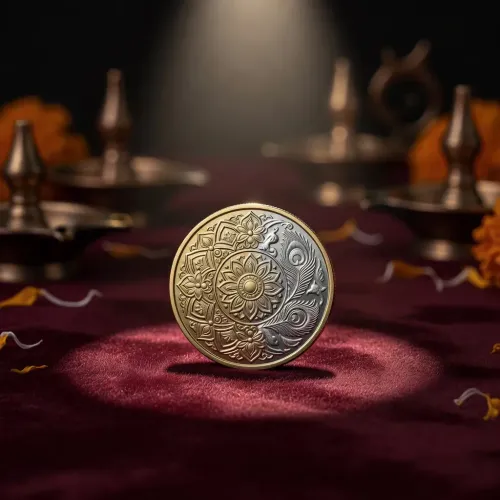
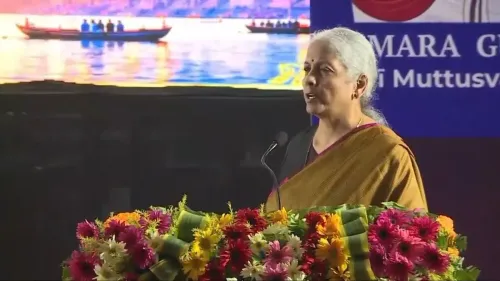
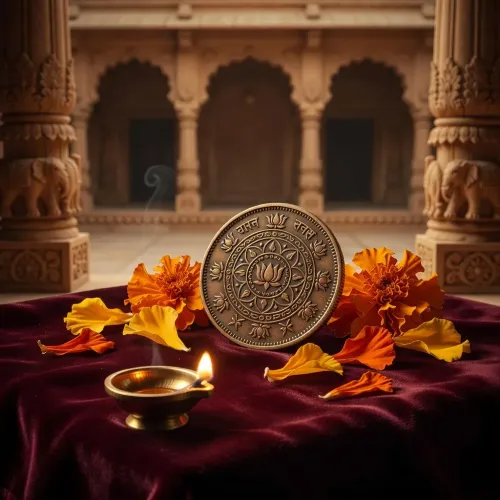
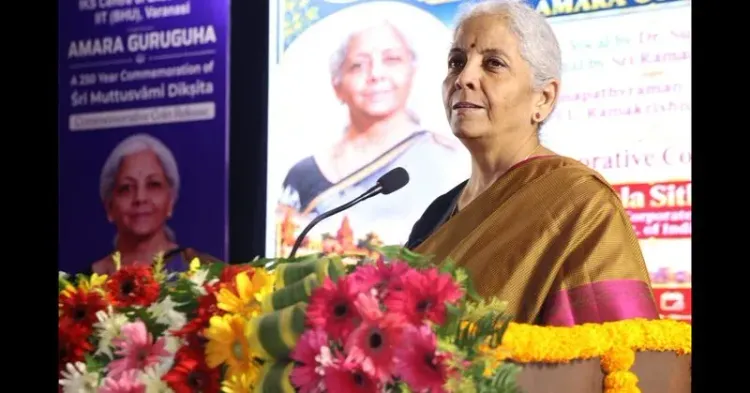
Union Finance Minister Nirmala Sitharaman released a commemorative coin at IIT BHU Varanasi on November 3, 2026, honouring Carnatic music legend Sri Muthuswami Dikshitar on his 250th birth anniversary — a milestone the Ministry of Finance marked with an address at the historic city.
Key Takeaways
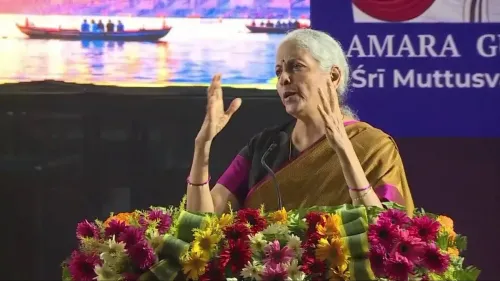
Union Finance Minister Nirmala Sitharaman addressed the release of a commemorative coin for Sri Muthuswami Dikshitar's 250th birth anniversary on November 3, 2026 .
The event was held at IIT BHU, Varanasi , in Uttar Pradesh, making it significant both culturally and institutionally.
Sri Muthuswami Dikshitar , born in 1775 , is one of the three composers forming the revered Trinity of Carnatic classical music.
The Ministry of Finance holds the authority for issuing commemorative coins in India and has previously honoured other Carnatic composers such as Tyagaraja .
The Varanasi event is part of a broader calendar of 250th anniversary celebrations expected to continue across Indian cities.
A 250-year-old musical legacy got a moment of official recognition on Tuesday, November 3, 2026, when Union Finance Minister Nirmala Sitharaman addressed the release of a commemorative coin marking the 250th birth anniversary of Sri Muthuswami Dikshitar — one of the holy Trinity of Carnatic music — at IIT BHU, Varanasi, in Uttar Pradesh.
Who was Muthuswami Dikshitar — and why does 250 matter?
Born in 1775, Sri Muthuswami Dikshitar stands alongside Tyagaraja and Syama Sastri as one of the three composers who defined the classical Carnatic tradition. His compositions — spanning Sanskrit, Telugu, Tamil, and Manipravalam — are distinguished by their deep philosophical grounding, intricate ragas, and layered lyrical structures still performed in concert halls across the world. Reaching the quarter-millennium of his birth is a milestone the Carnatic music community has long held significant, making it a natural occasion for government recognition.
Finance Ministry's role in commemorating cultural figures
The Ministry of Finance holds the mandate for issuing commemorative coins in India, positioning it as an unlikely but consistent custodian of cultural memory. The government has previously issued such coins for classical figures, including tributes to Tyagaraja, as part of a broader pattern of deploying official numismatic recognition to mark birth anniversaries of towering figures in Indian arts and heritage. Each release is, in effect, the state's formal acknowledgement that a life's work belongs to the national story.
Sitharaman's presence at IIT BHU Varanasi — a premier technical institution chosen as the venue — itself signals something deliberate: the meeting of India's classical cultural inheritance with its modern academic institutions, in a city, Varanasi, that has been a living centre of learning and music for centuries.
A year of celebrations still unfolding
The Varanasi event is part of a wider calendar of programmes marking the 250th anniversary year. Additional celebrations and events are expected across other cities through the remainder of the anniversary year, keeping Dikshitar's compositions and legacy in active public conversation — not just on a shelf in a government cabinet.
For a Finance Minister whose portfolio is ordinarily consumed by fiscal policy and corporate affairs, an address at a classical music commemoration is a reminder that the sovereign's coin can carry culture as readily as commerce. The coin, quite literally, says so.
Point of View
A narrative the current dispensation has actively cultivated. For Nirmala Sitharaman personally, participation in Carnatic music heritage events carries additional resonance given her well-documented familiarity with South Indian classical traditions. The wider anniversary calendar signals that this commemoration is designed for sustained visibility, not a single ceremonial moment.
NationPress
3 Nov 2026
Frequently Asked Questions
Who was Muthuswami Dikshitar and why is he important?
Muthuswami Dikshitar, born in 1775, was one of the three composers known as the Trinity of Carnatic music. His compositions in Sanskrit and other languages are celebrated for their philosophical depth and complex musical structures, and remain central to the Carnatic concert repertoire worldwide.
What is the significance of a commemorative coin release by the Finance Ministry?
The Ministry of Finance holds the authority to issue commemorative coins in India as a form of official state recognition. Such releases for cultural figures signal the government's formal acknowledgement of their contribution to national heritage, similar to earlier coins issued for Carnatic composer Tyagaraja.
Why was the event held at IIT BHU Varanasi?
IIT BHU Varanasi, a premier technical institution in Uttar Pradesh, was selected as the venue for the 250th anniversary coin release event. Varanasi has historical significance as a centuries-old centre of learning, music, and culture in India.
What other events are planned for Dikshitar's 250th anniversary?
The Varanasi coin release is part of a wider calendar of 250th birth anniversary celebrations for Muthuswami Dikshitar. Additional programmes are expected to be held across other Indian cities through the remainder of the anniversary year.
What is Nirmala Sitharaman's role in releasing commemorative coins?
As Union Finance Minister, Nirmala Sitharaman heads the Ministry of Finance, which is responsible for approving and releasing commemorative coins in India. Her address at the event was part of her official capacity overseeing such cultural numismatic recognitions.