Sitharaman Marks 12 Years of Cultural Heritage Push on Global Stage
Synopsis
Finance Minister Nirmala Sitharaman on 18 June 2026 marked 12 years of the Modi government, crediting the administration with taking India's civilisational heritage to the global stage under the BJP's Vikas Bhi Virasat Bhi campaign.
Key Takeaways
Nirmala Sitharaman posted on 18 June 2026 to mark 12 years of the Modi government , emphasising cultural reawakening alongside development.
The campaign hashtag #12YearsOfVikasBhiVirasatBhi frames heritage revival and economic growth as complementary pillars of BJP governance.
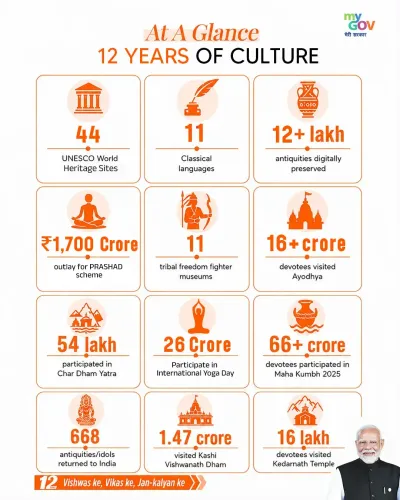
The PRASAD scheme , launched in 2014 , was among the first policy moves integrating heritage development into mainstream governance.
India's G20 presidency in 2023 and International Yoga Day diplomacy are cited examples of civilisational heritage being projected on the world stage.
Antiquity repatriations and new UNESCO heritage inscriptions have been key instruments of the government's cultural policy over the past decade.
Upcoming Union Budget allocations for the Ministry of Culture will be a key indicator of whether the rhetorical commitment translates into fresh spending.
Union Finance Minister Nirmala Sitharaman on Thursday, 18 June 2026, joined fellow BJP leaders in marking 12 years of the Modi government, highlighting the administration's effort to carry India's civilisational heritage to the global stage under the campaign hashtag #12YearsOfVikasBhiVirasatBhi.
Context
Sitharaman's post — 'Over the last 12 years, our cultural reawakening has taken our civilisational heritage to the global stage' — frames the ruling party's decade-plus tenure not only through an economic lens but through a cultural one. The phrase Vikas Bhi Virasat Bhi (development as well as heritage) has become a central slogan that BJP leaders use to argue that modernisation and civilisational revival are complementary, not competing, objectives.
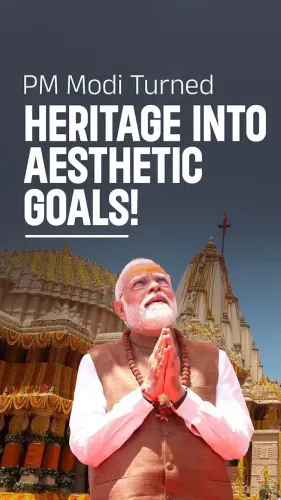
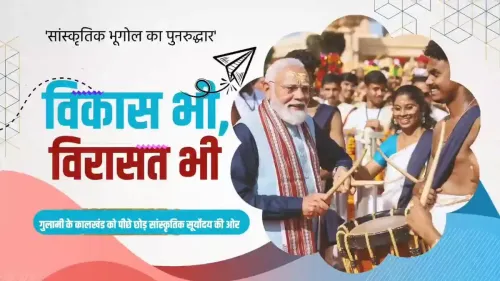
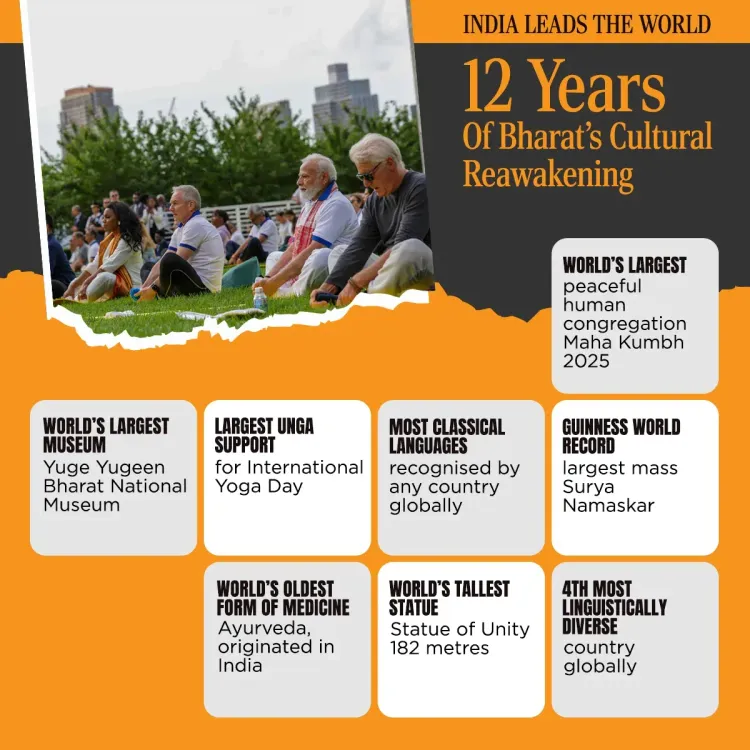
The post accompanied an image and was shared as part of a coordinated campaign across the party's leadership on 18 June 2026, the date that marks 12 years since Narendra Modi was first sworn in as Prime Minister in May 2014, with the campaign anniversary being observed in the weeks that followed.
Policy Backdrop
The Modi government launched the PRASAD scheme in 2014 for the integrated development of pilgrimage and heritage destinations, signalling an early intent to weave cultural policy into governance. Subsequent years saw active pursuit of antiquity repatriations from foreign museums and governments, alongside successful bids for additional UNESCO World Heritage inscriptions for Indian sites.
Heritage promotion was also projected outward through multilateral platforms. India's presidency of the G20 in 2023 prominently featured civilisational motifs — from the venue design at Bharat Mandapam, New Delhi, to the branding of summit documents — reflecting the government's deliberate strategy of blending diplomatic engagement with cultural assertion. International Yoga Day diplomacy, championed since 2015, became another instrument through which the administration presented Indian heritage as a living global contribution.
Stakeholders and Impact
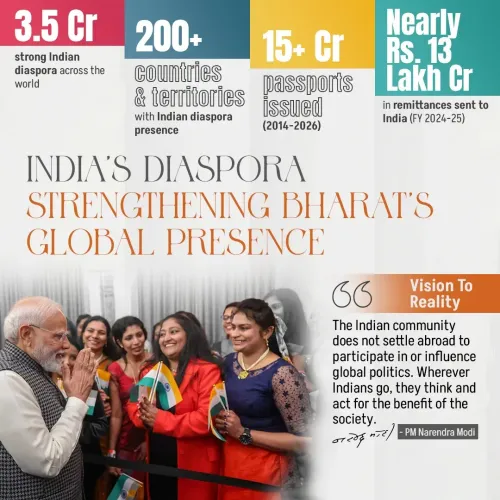
The heritage tourism sector stands among the most direct beneficiaries of this policy orientation. Restoration of pilgrimage corridors, museum reforms, and the promotion of classical arts abroad have supported livelihoods in crafts, hospitality, and cultural institutions across states. Organisations engaged in diaspora outreach have also used the government's cultural diplomacy framework to strengthen ties between overseas Indian communities and their civilisational roots.
Critics within the broader political discourse have at times questioned whether the emphasis on heritage comes at the cost of investment in contemporary public institutions, though the government's position — articulated repeatedly by ministers including Sitharaman in her Budget speeches — is that cultural confidence and economic ambition reinforce each other.
What's Next
With the next Union Budget cycle approaching, observers will watch whether allocations for the Ministry of Culture reflect the rhetorical weight given to heritage revival. Bilateral heritage agreements and fresh UNESCO nominations are also expected to feature in upcoming diplomatic engagements, providing concrete markers against which the government's civilisational claims can be assessed. Sitharaman's post signals that cultural legacy will remain a pillar of the ruling party's political narrative heading into the next electoral cycle.
Point of View
Using the finance portfolio's credibility to reinforce the BJP's cultural-nationalist narrative on a milestone anniversary. The Vikas Bhi Virasat Bhi framing is significant because it attempts to neutralise the traditional critique that development-focused governance neglects cultural identity — or vice versa. By anchoring the message in 'civilisational heritage,' the party signals that this theme will be central to its pitch in the next electoral cycle, not merely a ceremonial footnote. The coordinated use of the hashtag across the leadership also suggests a disciplined, top-down communications strategy ahead of what is likely to be a politically consequential budget season.
NationPress
23 Sept 2026
Frequently Asked Questions
What is the meaning of Vikas Bhi Virasat Bhi?
'Vikas Bhi Virasat Bhi' is a Hindi phrase meaning 'development as well as heritage.' It is the BJP government's campaign slogan arguing that economic modernisation and the revival of India's civilisational heritage are not opposing goals but mutually reinforcing ones.
Why are BJP leaders posting about 12 years of Modi government in June 2026?
BJP leaders are marking 12 years since Narendra Modi first became Prime Minister in May 2014. The anniversary is being observed through a coordinated social media campaign using the hashtag #12YearsOfVikasBhiVirasatBhi to highlight what the party considers its key achievements.
What has the Modi government done for India's cultural heritage?
The government launched the PRASAD scheme in 2014 for pilgrimage and heritage site development, pursued repatriation of antiquities from abroad, secured new UNESCO World Heritage inscriptions, and used platforms like the G20 presidency and International Yoga Day to project Indian heritage globally.
What is the PRASAD scheme?
PRASAD — Pilgrimage Rejuvenation and Spiritual, Heritage Augmentation Drive — is a central government scheme launched in 2014 to develop infrastructure and amenities at major pilgrimage and heritage destinations across India.
What will indicate whether India's heritage push continues beyond rhetoric?
The Union Budget's allocations for the Ministry of Culture, along with any new UNESCO nominations or bilateral heritage agreements signed in upcoming diplomatic engagements, will serve as concrete indicators of the government's commitment to its cultural revival agenda.