Pakistan's 255 million population strains healthcare, education and water
Synopsis
Pakistan is adding 6.2 million people a year and its hospitals, schools, and cities are visibly buckling under the pressure. A new report frames this not just as a demographic challenge but as a structural threat to the country's future — and warns that without urgent, coordinated action, the gap between population and capacity will only widen.
Key Takeaways
Pakistan's population has crossed 255 million , with the country adding approximately 6.2 million people every year .
Health officials warn Pakistan could soon become the world's fourth most populous nation .
Hospitals are operating at or beyond capacity, while millions of children remain outside the formal education system.
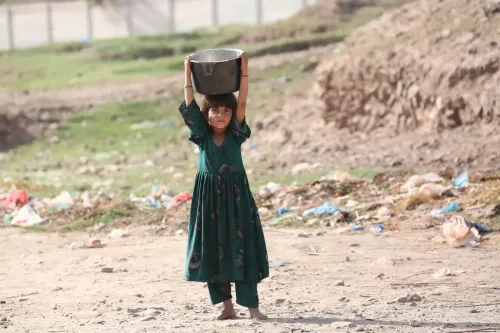
Water scarcity and unplanned urbanisation are creating informal settlements without basic sanitation or clean water.
Job creation has not kept pace with population growth, driving rising youth unemployment and underemployment .
Limited access to family planning services and cultural norms are sustaining conditions for continued high population growth, according to the Maldives Insight report.
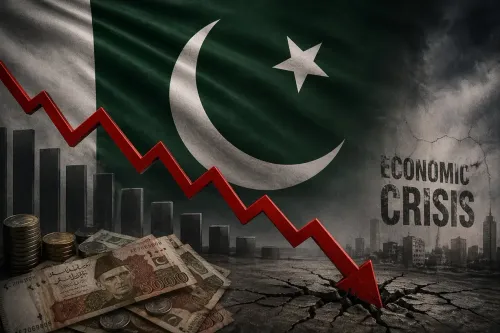
Pakistan's population has crossed 255 million and is expanding at a rate that its public systems can no longer sustain, pushing the country toward a demographic tipping point, according to a report by Maldives Insight. Health officials have warned that Pakistan could soon overtake to become the world's fourth most populous nation, yet the urgency of the challenge continues to be underaddressed by policymakers.
Scale of Population Growth
Pakistan is adding approximately 6.2 million people every year, a pace of growth that has maintained its momentum despite decades of intermittent policy attention. The report notes that this is not merely a numbers problem — it is a structural one. "The challenge is not confined to accommodating more people but extends to ensuring that the basic structures required for a functioning society — healthcare, education, housing, and employment — can keep pace," the report stated.
Healthcare and Education Under Pressure
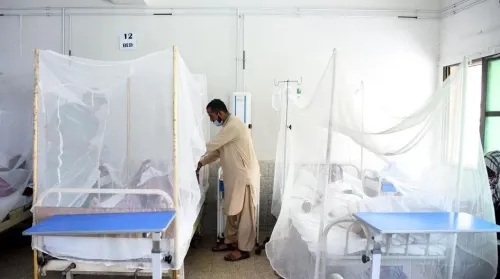
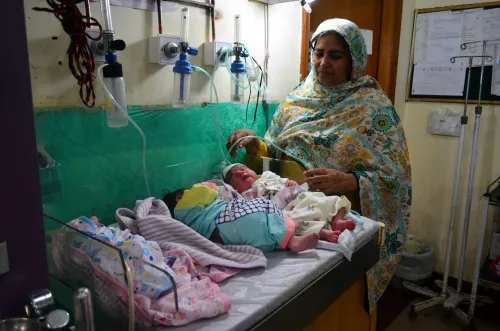
Hospitals across Pakistan are already operating at or beyond capacity, and the rising patient load is widening the gap between demand and available care, affecting both access and quality. The education sector mirrors this strain: schools in both rural and urban areas are struggling to absorb growing student numbers. "Overcrowded classrooms and limited facilities have become common features of the system," the report noted, adding that millions of children remain outside the formal education network entirely — a stark indicator of how population growth has outrun institutional capacity.
Water Scarcity and Unplanned Urbanisation
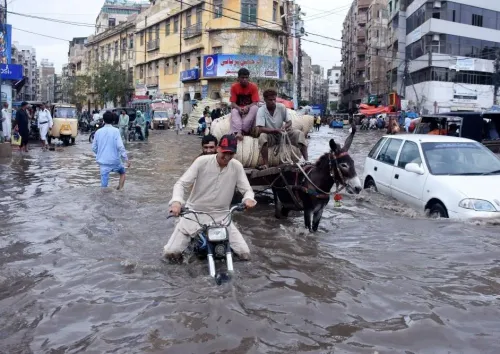
Water scarcity has emerged as a critical pressure point, particularly in cities that are expanding without adequate planning or infrastructure investment. Informal settlements — lacking basic sanitation and clean water — are proliferating across urban peripheries. The report highlights that this unplanned urbanisation compounds the burden on already stretched civic systems, creating conditions where basic services are unavailable to a significant share of the population.
Youth Unemployment and Family Planning Gaps
Job creation has not kept pace with population growth, according to the report, contributing to rising unemployment and underemployment among Pakistan's youth. Access to family planning services remains limited across many parts of the country, with reproductive choices further shaped by prevailing social and cultural norms. The report argues that the interplay between limited healthcare access, cultural factors, and weak primary health infrastructure is sustaining the conditions for continued high-rate population growth.
What the Projections Signal
The report stresses that while the problems of overstrained healthcare, education, water, and employment are not new, their intensity has grown sharply as the population continues to rise. Projections point toward further growth, and the report frames this as "not just a demographic issue but a defining factor in the country's broader trajectory." Without coordinated intervention across health, education, urban planning, and economic policy, the structural gaps are likely to widen further in the years ahead.
Point of View
Collapsing educational capacity, water stress, and youth unemployment is not a future risk; it is a present reality. What is missing from most coverage is the political economy of inaction: family planning has long been a political third rail in Pakistan, and successive governments have treated population policy as a sensitivity to manage rather than a crisis to resolve. Until that changes, projections will keep worsening regardless of how many reports are published.
NationPress
24 Sept 2026
Frequently Asked Questions
What is Pakistan's current population in 2025?
Pakistan's population has crossed 255 million, according to a Maldives Insight report. The country is adding approximately 6.2 million people every year, making it one of the most populous nations in the world.
Why is Pakistan's population growth a concern?
The rapid growth is outpacing the country's capacity to provide healthcare, education, housing, employment, and clean water. The report warns this is not just a demographic issue but a defining factor in Pakistan's broader national trajectory.
How is Pakistan's healthcare system affected by population growth?
Hospitals across Pakistan are already operating at or beyond capacity. As the number of patients rises, the gap between demand and available care widens, affecting both access to and quality of healthcare services.
What is the situation with education in Pakistan amid population growth?
Schools in both rural and urban areas are struggling to accommodate growing student numbers, with overcrowded classrooms becoming common. Millions of children remain entirely outside the formal education network.
What is being done about family planning in Pakistan?
Access to family planning services remains limited across many parts of Pakistan, and reproductive choices are further shaped by social and cultural norms. The report argues that limited access combined with weak primary healthcare systems is sustaining conditions for continued high-rate population growth.