Is Pakistan Facing a Crisis Due to Rapid Population Growth?
Synopsis
Pakistan is currently confronting an alarming surge in population, which is exacerbating issues like resource scarcity and socioeconomic inequalities. As the nation battles these challenges, a comprehensive approach is essential for long-term stability and growth. Discover the implications of these trends and the road ahead for Pakistan in this insightful analysis.
Key Takeaways
Pakistan's population has reached 255 million, making it the fifth largest globally.
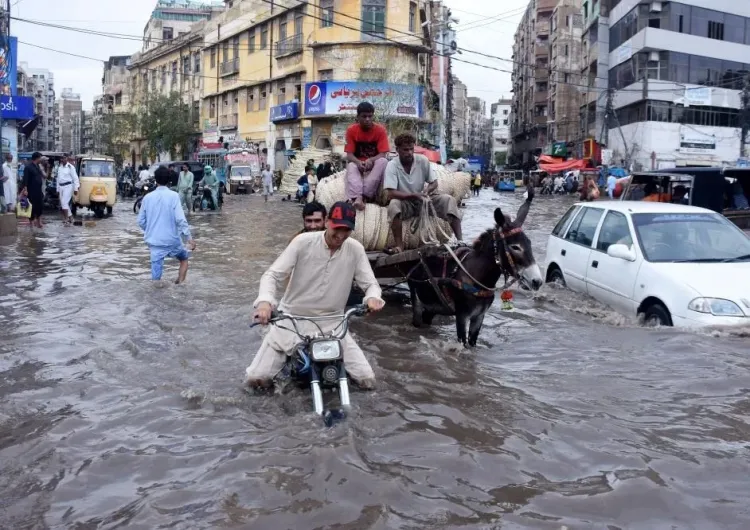
Resource scarcity and climate vulnerabilities are critical issues exacerbated by rapid population growth.
Over 40% of the population lives in poverty, with high illiteracy rates.
The nation must prioritize long-term solutions over temporary fixes.
Political instability hampers investment and economic growth.
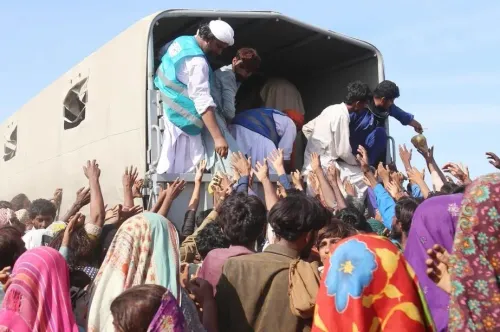
Islamabad, Jan 4 (NationPress) The swift rise in population within Pakistan has raised significant alarms as the nation grapples with resource scarcity, increasing climate vulnerabilities, gender inequality, poverty, and illiteracy, according to a recent report.
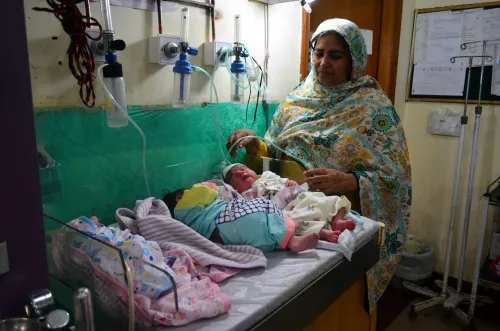
The United Nations Population Fund (UNFPA) indicates that Pakistan is now the fifth most populous country globally. Over the last 80 years, its population has surged from 33.7 million to 255 million, as reported by The Express Tribune. Notably, this figure excludes the populations in Pakistan-occupied Kashmir and Pakistan-occupied Gilgit-Baltistan.
The report highlights, "The rapid population growth in this South Asian nation has been a persistent concern as Pakistan confronts resource shortages, escalating climate threats, gender disparities, poverty, and widespread illiteracy — all while maintaining high fertility rates. On paper, the nation lacks adequate resources to cater to its large population. However, the demographic is relatively young, with an average age of 25.6 years, and is witnessing a gradual improvement in labor market engagement."
As per the findings, Pakistan must adopt a constructive approach for advancement and prioritize its administrative duties and funding towards long-term goals, instead of temporary solutions. This strategy is essential for the country to stabilize against anticipated challenges such as resource shortages, climatic disasters, and an inequitable socioeconomic landscape.
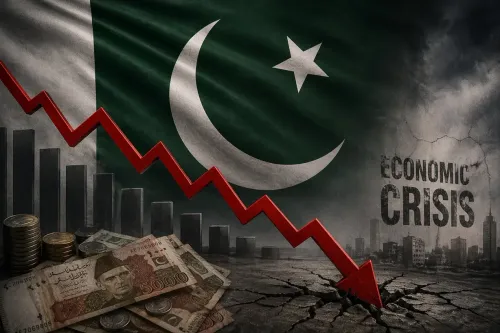
Simultaneously, another analysis indicates that Pakistan faces multiple economic hurdles by 2026, amidst stagnant economic growth, recurring militant threats, and potential climate-related disasters.
A report by Nikkei Asia, authored by Farhan Bokhari, notes that the nation has successfully avoided defaulting on foreign debt payments, thanks to a timely intervention from the International Monetary Fund in 2024, which provided a $7 billion loan through 2027. Nonetheless, it confronts significant challenges this year.
With an annual economic growth rate of only 3 percent, which barely surpasses the population growth rate, the situation appears dire.
The report elaborates that reviving economic growth poses numerous formidable challenges for Pakistan. "The nation must accelerate its internal reforms, particularly addressing the needs of its vast population. Over 40 percent of the approximately 257 million citizens live in extreme poverty, and almost 40 percent of the populace is classified as illiterate," it emphasizes.
Moreover, Pakistan's internal political strife has eroded investor confidence, particularly among those who require long-term stability.
"If the political discord persists, investors are likely to remain reluctant to make medium- or long-term investments. Without an influx of new investments, which are hindered by political divisions, Pakistan risks remaining trapped in a cycle of sluggish economic growth," the report concludes.
Point of View
It is crucial to recognize the underlying issues stemming from Pakistan's rapid population growth. This growth not only strains resources but also intensifies existing social inequities. It is imperative for the nation to adopt a more sustainable approach towards development, focusing on long-term solutions that can foster resilience against future challenges.
NationPress
2 Oct 2026
Frequently Asked Questions
What are the main challenges Pakistan faces due to rapid population growth?
Pakistan faces resource scarcity, climate vulnerabilities, gender inequality, poverty, and illiteracy due to its rapid population growth.
How has Pakistan's population changed over the years?
Pakistan's population has surged from 33.7 million to 255 million over the past 80 years, making it the fifth most populous country in the world.
What is the average age of the population in Pakistan?
The average age of the population in Pakistan is 25.6 years.
What measures should Pakistan take to address its challenges?
Pakistan should focus on long-term administrative responsibilities and funding to address resource challenges and improve socioeconomic conditions.
What is the literacy rate in Pakistan?
Approximately 40 percent of Pakistan's population is considered illiterate.