Is UNFPA's Call to Rethink Pakistan's Population Dynamics Timely?
Synopsis
The UNFPA has issued a timely call for Pakistan to rethink its population dynamics, urging the country to consider its growing population not as a burden but as a potential driver for development. However, the challenge lies in implementing sustained policy changes to address related issues such as gender inequality and access to health services.
Key Takeaways
UNFPA urges Pakistan to rethink its population strategy.
Population growth should be seen as a driver for development.
Integration of population dynamics into broader policies is essential.
Addressing gender inequality is critical for sustainable development.
Reforming the NFC framework can incentivize human development.
Islamabad/New Delhi, Jan 14 (NationPress) The recent appeal from the United Nations Population Fund (UNFPA) for Pakistan to reassess its population dynamics is both timely and constructive, yet the real test lies in implementing sustained policy actions, as highlighted by a media report.
An editorial in the financial daily, Business Recorder, emphasized that the UNFPA calls for the nation to devise a purposeful and evidence-based strategy, rather than perceiving the rising population as an "inevitable burden".
The UN agency pointed out that Pakistan, which houses the fifth largest population globally with over 225 million individuals, should view this growth as a "strategic driver of sustainable and inclusive development".
The editorial stressed the importance of incorporating population dynamics into broader development and climate strategies, noting that Pakistan's high growth and fertility rates are linked to enduring gender inequality and limited access to quality health services.
According to the editorial, the UNFPA's recommendation to amend how population considerations are factored into national planning and financing—especially through the National Finance Commission (NFC) formula—is significant.
The report called for a “reimagined, forward-looking NFC framework that incentivizes advancements in gender equality, climate resilience, balanced population outcomes, and service quality.”
“Such reform could motivate provinces to invest more seriously in human development, enhancing accountability and public service delivery,” it added.
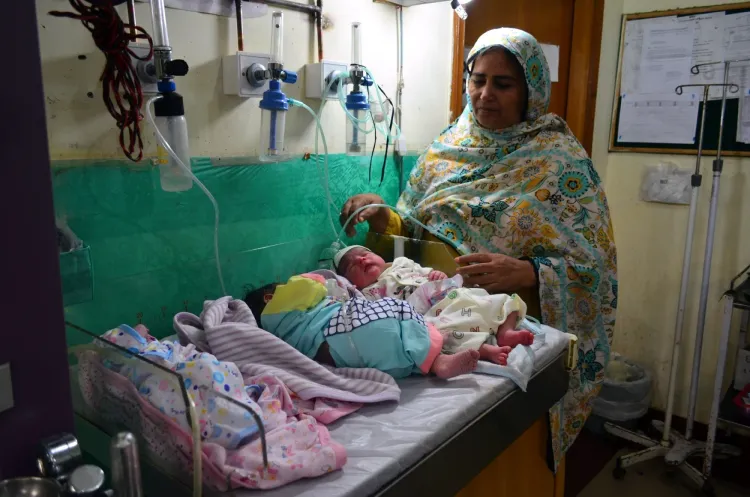
The UNFPA identified challenges such as high maternal mortality, unmet family planning needs, early marriages, gender-based violence, and unequal access to reproductive health services as major obstacles to sustainable development. These issues are further exacerbated by deep-rooted social norms, governance failures, and stark disparities between urban and rural areas.
The report urged for “sustained political commitment and a comprehensive policy overhaul” to tackle these challenges.
It advocated for people-centered approaches and the reform of population policy at both federal and provincial levels while emphasizing the need to prioritize gender equality and broader human development to transform population dynamics into a “source of strength rather than a strain on the national economy.”
Point of View
I believe that the UNFPA's recommendations are crucial for addressing Pakistan's population challenges. The nation's demographic growth presents both opportunities and risks, and it is essential for policymakers to take a proactive approach. Prioritizing gender equality and health services will not only benefit the populace but also enhance the country's economic prospects. Therefore, a comprehensive policy overhaul is not just necessary; it is imperative for a sustainable future.
NationPress
20 Sept 2026
Frequently Asked Questions
What is the current population of Pakistan?
Pakistan's population exceeds 225 million , making it the fifth largest in the world.
Why is the UNFPA calling for a rethink of population dynamics in Pakistan?
The UNFPA believes that Pakistan should view its population growth as a strategic asset for sustainable development rather than a burden.
What challenges does Pakistan face regarding its population growth?
Challenges include high maternal mortality rates, unmet family planning needs, early marriages, and gender inequality.
How can Pakistan transform its population dynamics?
By integrating population policies into national planning and addressing gender equality and health services.
What is the significance of the National Finance Commission in this context?
The NFC can play a vital role in reforming how population factors are included in national planning and financing.