Should Pakistan Rethink Its Population Trends?
Synopsis
The UNFPA urges Pakistan to reconsider its population dynamics, framing growth as an opportunity for sustainable development. This call for action highlights significant policy challenges that require immediate attention. As Pakistan grapples with high population growth, gender inequality, and healthcare access, can it transform these challenges into strengths for the economy?
Key Takeaways
UNFPA calls for a strategic approach to population growth.
High population can drive sustainable development.
Reform needed in national planning and financing.
Gender equality is linked to population dynamics.
Commitment to policy overhaul is essential.
Islamabad/New Delhi, Jan 14 (NationPress) The United Nations Population Fund (UNFPA) recently called upon Pakistan to reconsider its population dynamics, a suggestion that is not only timely but also constructive. However, according to a media report, the real challenge lies in implementing sustained policy actions.
An editorial in Business Recorder, a financial daily in Pakistan, highlighted the UNFPA's urging for the country to devise a purposeful, evidence-based strategy rather than viewing the escalating population as an “inevitable burden”.
The UN agency, noting that Pakistan is home to the fifth largest population globally (over 225 million), emphasized the importance of viewing population growth as a “strategic driver of sustainable and inclusive development”.
Furthermore, the editorial pointed out the necessity of integrating population dynamics into broader development and climate strategies, as the country's high fertility rates and growth are closely linked to ongoing gender inequality and limited access to quality healthcare services.
“The recommendations from UNFPA to reform how population considerations are incorporated into national planning and financing—especially through the National Finance Commission (NFC) formula—are crucial,” it stated.
The report stressed the need for a “reimagined, forward-looking NFC framework” that incentivizes advancements in gender equality, climate resilience, balanced population outcomes, and service quality.
Such reforms could motivate provinces to invest more earnestly in human development while enhancing accountability and public service delivery.
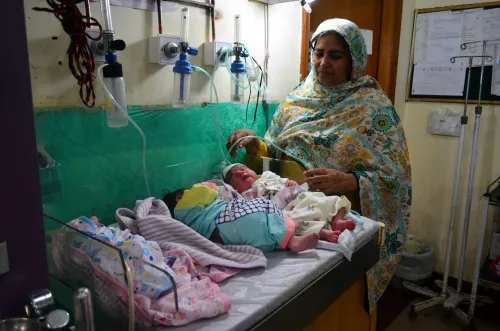
According to the UNFPA, challenges such as high maternal mortality rates, unmet family planning needs, early marriages, gender-based violence, and unequal access to reproductive health services significantly hinder sustainable development. These issues are exacerbated by deeply entrenched social norms, governance failures, and stark disparities between urban centers and rural areas.
The report urged for “sustained political commitment and a comprehensive policy overhaul” to tackle these challenges.
It called for people-centered approaches and reforms in population policy at both federal and provincial levels, emphasizing the importance of gender equality and holistic human development to transform population dynamics into a “source of strength rather than strain for the national economy”.
Point of View
It's essential to recognize the profound implications of the UNFPA's call. Rethinking Pakistan's population dynamics is not merely a policy recommendation; it's a necessity for the nation's future. Aligning population growth with sustainable development can create opportunities for progress, but it requires unwavering commitment from both federal and provincial governments.
NationPress
2 Oct 2026
Frequently Asked Questions
What is the main message from the UNFPA regarding Pakistan's population?
The UNFPA emphasizes the need for Pakistan to rethink its population dynamics, viewing growth as an opportunity for sustainable development rather than a burden.
What challenges does Pakistan face in terms of population growth?
Pakistan faces challenges such as high maternal mortality, unmet family planning needs, early marriages, and gender-based violence, which hinder sustainable development.
How can Pakistan integrate population dynamics into its development strategies?
Pakistan can integrate population dynamics by reforming its National Finance Commission framework and focusing on gender equality and healthcare access.
Why is gender equality important in this context?
Gender equality is crucial as it directly impacts population growth and access to healthcare services, thereby influencing sustainable development.
What steps are necessary for sustainable development in Pakistan?
Sustained political commitment and comprehensive policy reforms are necessary to address population-related challenges and promote human development.