Is Pakistan Facing a Growing Unemployment Crisis?
Synopsis
Pakistan's unemployment crisis is escalating, with official figures masking the reality of a staggering 22% unemployment rate. This situation, fueled by poor policy choices, could lead to a future where millions are jobless and the economy is stagnant. Discover the alarming insights from economists and what it means for the nation.
Key Takeaways
Pakistan's true unemployment rate is around 22% .
8-9 million are openly unemployed.
Annual influx of 2.2 million youth into the labor market.
GDP growth barely absorbs half of new entrants.
2029 could see 20 million unemployed if trends continue.
New Delhi, Jan 4 (NationPress) The government of Pakistan continues to promote a misleading unemployment rate of 7 percent, yet, as highlighted by noted economist Dr. Hafeez Pasha, the true figure is estimated to be approximately 22 percent, according to a report in the local media.
The harsh reality reveals a deeper crisis: between 8 to 9 million Pakistanis are visibly unemployed, while 15 to 18 million are underemployed, confined to low-paying, informal jobs. Each year, over 2.2 million young individuals enter the job market, but the GDP growth of only 2.5 to 3.5 percent accommodates merely half of them. This situation is not a fleeting issue; it represents a persistent and growing backlog of squandered human potential, deliberately overlooked by the government, as reported by the Karachi-based Business Recorder.
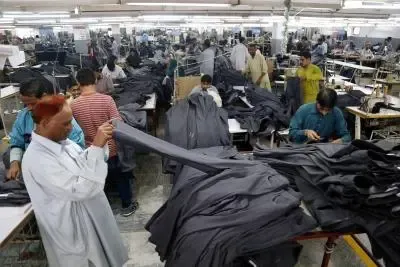
After two decades, Pakistan's export sector remains ensnared in low-value textiles and commodities, with sectors like engineering, electronics, chemicals, and IT services still marginal. Without progress in value-chain migration, robust job creation remains an illusion, the report noted.
The article emphasizes that protective tariffs and subsidies favor rent-seeking entities rather than enhancing productivity. Pakistan is not short on factories; it is lacking in competitive manufacturing facilities. Labour-intensive industries are sacrificed to monopolistic practices.
Moreover, the country’s educational institutions are producing graduates in excess, disconnected from the actual needs of the job market, while technical and vocational education suffers from inadequate funding and prestige. The result is educated unemployment—the most volatile and politically perilous form.
The unemployment dilemma in Pakistan is no mere coincidence. It is not attributable to global pressures or temporary disturbances. This situation is a direct, foreseeable, and engineered outcome—stemming from intentional policy decisions made consistently over the years, lamented the article.
The future outlook is bleak. If the current trajectory remains unchanged, by 2029, Pakistan could witness over 20 million unemployed individuals, with an economy where 60 percent of the workforce is informal and precarious. Simultaneously, the nation will grapple with a lack of skilled labor amid widespread joblessness, remaining ensnared in low exports, low productivity, and stagnant per-capita income. In essence, it could evolve into a constant source of social unrest, where reforms would no longer be driven by policy but rather by panic during a systemic collapse, the article cautioned.
Point of View
We maintain a steadfast commitment to providing an unbiased perspective on national issues. The unemployment crisis in Pakistan is not merely an economic challenge; it poses significant social risks that must be addressed through informed policies and strategic reforms to ensure a stable future for the nation.
NationPress
19 Sept 2026
Frequently Asked Questions
What is the real unemployment rate in Pakistan?
The actual unemployment rate is closer to 22 percent , as opposed to the government's reported 7 percent .
How many people are unemployed in Pakistan?
Approximately 8 to 9 million individuals are openly unemployed in Pakistan.
What factors contribute to unemployment in Pakistan?
Factors include a lack of competitive factories, educational disconnect from market needs, and ineffective government policies.
What is the future outlook for unemployment in Pakistan?
If current policies persist, it is projected that by 2029 , over 20 million people could be unemployed.
How does educated unemployment affect Pakistan?
Educated unemployment leads to political volatility and social unrest, as many graduates struggle to find relevant jobs.