Is Unemployment in Pakistan at a 21-Year High?

Synopsis
Unemployment in Pakistan has reached a staggering 21-year-high, with the rate climbing to 7.1%. Despite government claims of macroeconomic stabilization, the reality is grim for millions who struggle to find work. This situation calls for urgent action to generate employment opportunities and prevent a talent drain.
Key Takeaways
Unemployment in Pakistan has reached 7.1%, the highest in 21 years.
The government’s economic stabilization claims contrast sharply with the reality of rising joblessness.
Social media highlights widespread job-seeking among citizens.
Key areas for job creation include healthcare, tourism, and agriculture.
Dependence on the private sector complicates job absorption.
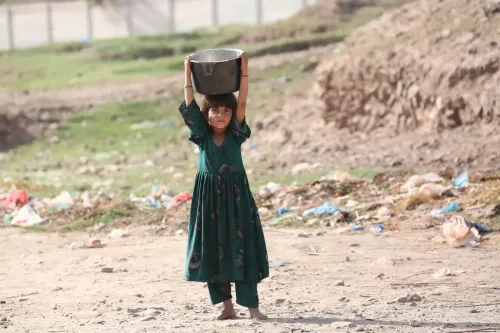
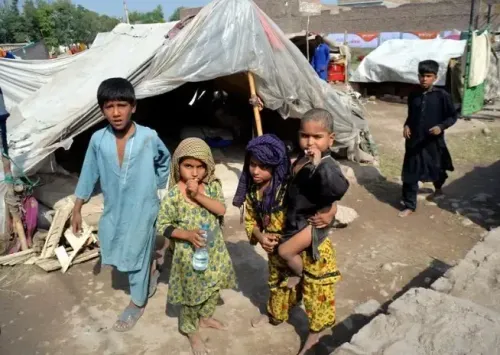
New Delhi, Feb 10 (NationPress) While the government of Pakistan asserts that it has initiated a phase of macroeconomic stabilization, the uncomfortable truth is that unemployment is surging, leaving millions of Pakistanis facing economic uncertainty. The 2025 Labour Force Survey reveals a troubling statistic: unemployment has increased to 7.1 percent, marking the highest rate in over two decades. This alarming figure should temper any premature celebrations, yet it has been largely overlooked in official communications. The impact of this negligence goes beyond mere numbers; it affects people unable to secure jobs, families forced to cut back on necessities, and youth whose dreams are diminishing in an economy unable to support them, as highlighted by an article in The News International.
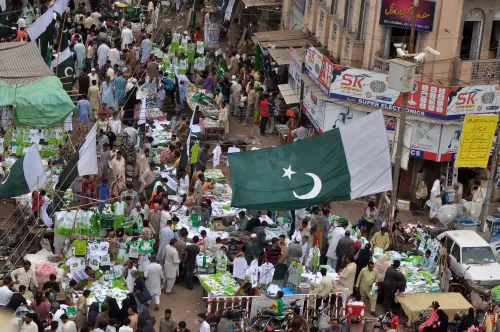
This crisis is not hidden from public view. Policymakers need not conduct extensive studies to grasp the severity of the situation. Social media is replete with pleas from citizens searching for employment, while the emerging gig economy illustrates the precarious nature of available jobs.
In this scenario, the warning from World Bank President Ajay Banga that Pakistan must generate up to 30 million jobs in the next ten years serves as a crucial wake-up call. Approximately three million young individuals enter the labor market annually, equipped with education and skills but facing dwindling opportunities. The future of this youth population hinges on the state's ability to create substantial employment. Failing to do so risks not only domestic instability but also a talent drain, as noted in the article.
The mass departure of nearly 4,000 doctors in 2025 exemplifies this trend. These healthcare professionals are not leaving out of choice but due to a lack of professional respect and economic security. Even salaries deemed competitive often fall short of meeting the growing cost of living, complicating long-term retention. Banga has rightly identified labor-intensive sectors such as primary healthcare, tourism, and small-scale agriculture as having substantial employment potential. These areas could absorb many workers while providing social benefits, but they require focused support, investment, and coherent policy direction. Absent such backing, their job-creating capacity remains unrealized, leading to lost opportunities.
Furthermore, Pakistan’s dependence on the private sector to accommodate its workforce exacerbates the issue. Recent events indicate that this sector is under significant pressure. Who truly benefits from macroeconomic stability when factories shut down, manufacturers relocate abroad, and public-sector employees face layoffs? Stability that only exists on paper, while productive capacity declines, is neither sustainable nor inclusive.
Point of View
It is imperative to highlight the pressing issue of rising unemployment in Pakistan. The state must prioritize job creation to ensure a stable and prosperous future for its youth. The risks of inaction are profound, not just for individuals but for the entire nation.
NationPress
20 Sept 2026
Frequently Asked Questions
What is the current unemployment rate in Pakistan?
The current unemployment rate in Pakistan has risen to 7.1%, the highest level in 21 years.
What are the main sectors that could create jobs in Pakistan?
Key sectors with potential for job creation in Pakistan include primary healthcare, tourism, and small-scale agriculture.
How many young people enter the labor market each year in Pakistan?
Approximately three million young individuals enter the labor market annually in Pakistan.
What is the impact of rising unemployment on families?
Rising unemployment forces families to cut back on essential expenses and diminishes the aspirations of young people.
What does the World Bank recommend for Pakistan's job market?
The World Bank recommends that Pakistan must create up to 30 million jobs over the next decade to address the growing employment crisis.