Is Rising Unemployment and Economic Struggles Endangering Pakistan's Young Generation?
Synopsis
A new report reveals that Pakistan's youth are facing a daunting future characterized by high unemployment and economic challenges. With rising inflation and dwindling job opportunities, many young people are prioritizing stability over ambition. This situation calls for urgent policy changes to support the aspirations of Generation Z.
Key Takeaways
High youth unemployment remains a major concern in Pakistan.
Inflation is significantly impacting the purchasing power of young adults.
Many young individuals are prioritizing stability over ambition due to economic uncertainty.
The education system is failing to prepare youth for a competitive job market .
Urgent policy reforms are needed to empower and support the youth.
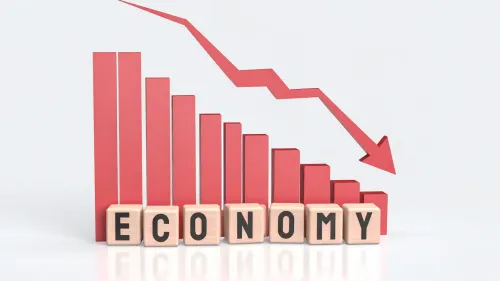
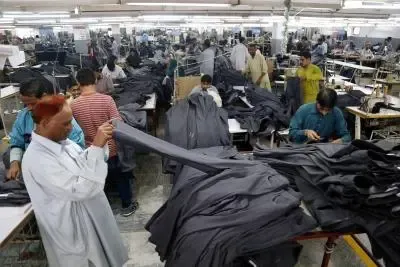
Washington, Jan 26 (NationPress) Pakistan is grappling with a significant youth unemployment crisis, as inflation continues to diminish purchasing power, and secure employment opportunities in the formal sector are becoming increasingly rare. For many young individuals, the transition to adulthood is characterized by a focus on risk aversion rather than ambition, as they prioritize stability and predictability over aspirations, according to a report released on Monday.
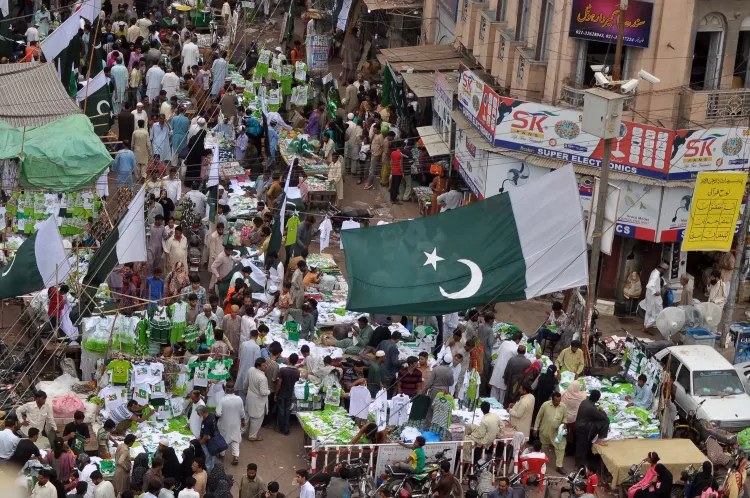
With approximately 60 percent of its population aged under 30, Pakistan faces a generational challenge that could prove crucial for its economic, political, and social future. Generation Z—the country’s largest and most digitally engaged group—holds the capacity to redefine the nation’s path. However, this potential is hindered by a mix of economic stagnation, political instability, and increasing restrictions on freedom of expression, which are driving many young people towards disengagement or even emigration, as detailed in a report by The Media Line.
Additionally, the surge in migration has led to a diminishing middle class in Pakistan, reinforcing the belief that hard work and education do not necessarily result in upward mobility.
Education—once regarded as a route out of poverty—is failing many young individuals: literacy rates remain low, millions are outside formal education, and gender disparities persist as girls frequently leave school due to domestic pressures or early marriages, while boys often enter the workforce prematurely. This has resulted in a widening skills gap, leaving many young Pakistanis ill-equipped for a competitive, technology-driven economy—particularly in marginalized regions like Balochistan, where unemployment and longstanding grievances exacerbate exclusion.
Trust in state institutions has diminished, and fears of repression stifle sustained activism. Social media serves as a vital outlet for expression, despite increasing restrictions, and for some, silence or emigration appears to be a safer choice than confrontation. These pressures are further heightened by rising mental health challenges, climate-related disasters, and constant digital exposure, which deepen feelings of anxiety, isolation, and a sense of falling behind.
In an interview with The Media Line, a Gen Z graduate, speaking on condition of anonymity, noted that a recent survey revealed that 67 percent of Pakistani youth are contemplating leaving the country, emphasizing the urgent need for policies to support and empower this generation.
This individual also stated, “Many young people are struggling with rising unemployment, inflation, and limited economic prospects, creating profound uncertainty about their futures.”
The report suggests that these challenges—coupled with broader social and political pressures—highlight the necessity for policies aimed at expanding access to education, employment, and meaningful opportunities for youth participation.
Anum J Khan, an independent analyst based in Lahore, conveyed to The Media Line that although nearly 60 percent of Pakistan’s population is under 30, Gen Z faces considerably fewer opportunities for education, employment, and economic progression than their numbers, skills, and expectations would suggest.
Point of View
It is our responsibility to highlight the challenges faced by Pakistan's youth, with a population largely composed of Gen Z. This report underscores the urgent need for comprehensive policy reforms that address unemployment, educational shortcomings, and political instability. Investing in our youth is not just a necessity; it is essential for the nation's future prosperity.
NationPress
25 Sept 2026
Frequently Asked Questions
What is the current youth unemployment rate in Pakistan?
The youth unemployment rate remains alarmingly high, with many young individuals struggling to find stable employment in the formal sector.
How is inflation affecting young people in Pakistan?
Inflation is significantly eroding the purchasing power of young individuals, making it increasingly difficult for them to secure a stable financial future.
What are the main challenges faced by Generation Z in Pakistan?
Generation Z in Pakistan faces challenges such as high unemployment, limited educational opportunities, and political instability, which hinder their economic advancement.
What percentage of youth are considering emigration?
A recent survey revealed that approximately 67% of Pakistani youth are contemplating leaving the country due to rising challenges.
What policies are needed to support youth in Pakistan?
There is a pressing need for policies that expand access to education, create job opportunities, and promote active youth participation in societal development.