Is Gen Z in Pakistan Facing Inflation, Unemployment, and Discontent?
Synopsis
Pakistan's youth, making up nearly 60% of the population, are grappling with significant challenges. Economic struggles, political unrest, and educational shortcomings create a disillusioned Generation Z, leading many to consider emigration. This report delves into their struggles and the implications for the nation’s future.
Key Takeaways
60% of Pakistan's population is under 30.
Youth unemployment remains a critical issue.
Inflation is significantly impacting purchasing power.
Many young people are considering emigration .
The education system needs urgent reform.
Trust in governmental institutions is declining.
New Delhi, Jan 26 (NationPress) With almost 60 percent of its populace being under the age of 30, Pakistan finds itself at a pivotal juncture that may influence its economic, political, and social future, according to a recent report.
Generation Z, recognized as the nation’s most extensive and digitally savvy cohort, possesses the capacity to instigate significant change.
Nevertheless, persistent economic struggles, political instability, and increasing restrictions on free expression have left many young citizens feeling disenchanted and more inclined to emigrate, as highlighted in The Medialine report.
Often referred to as a “youth bulge,” Pakistan’s young demographic is transitioning into adulthood in an era characterized by more insecurity than optimism.
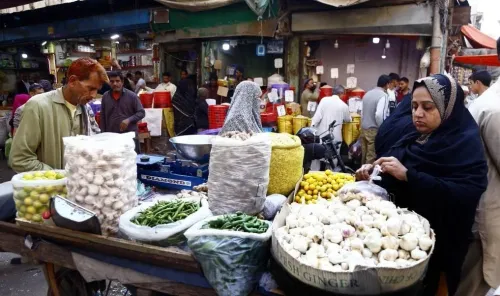
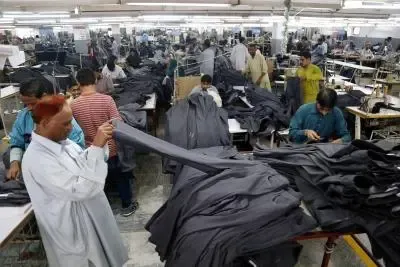
Youth unemployment remains elevated, inflation has diminished purchasing power, and steady jobs are becoming increasingly elusive.
For numerous young individuals in Pakistan, the pursuit of survival and stability has overtaken ambitions or long-term aspirations.
The migration trend is also shifting perceptions. As a growing number of people, particularly from the middle class, choose to leave, a prevailing belief is emerging that education and hard work no longer assure progress.
The education system itself is in turmoil. Literacy rates are still low, millions of children remain uneducated, and gender disparities endure as many girls drop out due to early marriages or domestic responsibilities, while boys frequently leave school prematurely to support their families.
This situation has intensified the skills gap and left many youth unprepared for a modern, technology-centric economy, especially in less developed areas like Balochistan.
Trust in governmental institutions has waned, and fears of repercussions have stifled open political discourse.
While social media serves as a vital platform for self-expression, stricter regulations have driven many young people towards silence or emigration.
These challenges are compounded by mental health issues, climate-related disasters, and relentless digital exposure, all of which have heightened anxiety and a sense of hopelessness among the youth.
The disparity between official narratives and the lived experiences of youth became evident earlier this month when an opinion piece authored by Zorain Nizamani, a Pakistani PhD student based in the United States, was retracted from The Express Tribune shortly after its release.
The article outlined the hardships encountered by Gen Z and was perceived by some as critical of Pakistan’s power structures, according to the report.
Although Nizamani did not endorse any political party, authorities reportedly took the piece seriously, leading to its removal by the newspaper.
Point of View
It's essential to acknowledge the profound struggles faced by our youth. They represent a critical demographic that can shape our nation's destiny. It's crucial for us, as a society, to recognize their challenges and work towards creating an environment that fosters hope and opportunity.
NationPress
28 Aug 2026
Frequently Asked Questions
What are the main challenges faced by Gen Z in Pakistan?
Gen Z in Pakistan is dealing with high youth unemployment, inflation affecting purchasing power, and an education system that is struggling to meet their needs.
Why are young people considering emigration?
Many young individuals are disillusioned by the lack of opportunities and believe that education and hard work do not guarantee progress in Pakistan.
What impact is social media having on youth expression?
Social media offers a platform for expression, but increasing restrictions have led many to silence their voices or consider leaving the country.
How is the education system failing the youth?
The education system faces low literacy rates, high dropout rates, especially among girls, and a lack of preparation for a technology-driven economy.
What is the current sentiment towards political institutions?
Trust in state institutions has declined, leading to reduced openness in political engagement and expression among young people.