Is Pakistan's Economy Transitioning from Growth to Survival?
Synopsis
Pakistan's economic landscape is shifting dramatically, with households now spending a staggering two-thirds of their income on basic necessities. This transformation from growth to survival raises critical questions about the nation's future. With over 40% of the population living in poverty, urgent reforms are necessary to address these challenges and secure stability.
Key Takeaways
Households spend 63% of their income on essentials.
Food expenses have surpassed 33% of household budgets.
Education spending has dropped to 2.5%.
Over 40% of the population lives in poverty.
Urgent reforms are needed to stabilize the economy.
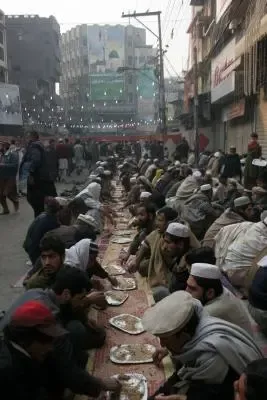
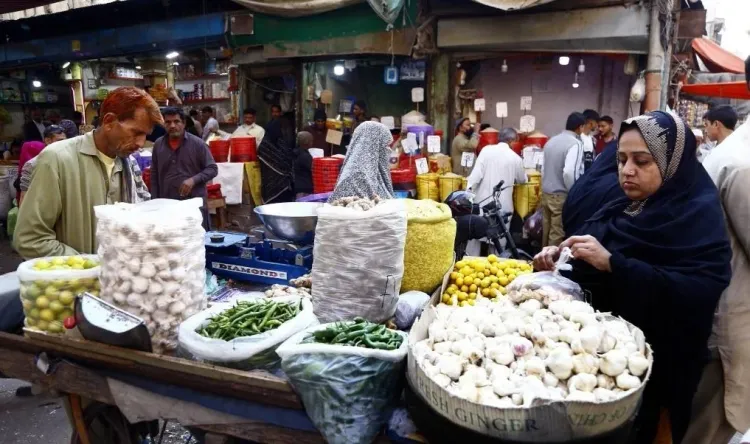
Islamabad, Jan 5 (NationPress) As Pakistani families find themselves allocating nearly two-thirds of their income towards essential expenses like food and electricity, the economy has shifted from a focus on growth to one of mere survival, according to a recent report released on Monday.
The report, referencing the latest Household Integrated Economic Survey from the Pakistan Bureau of Statistics, indicates that life in Pakistan increasingly revolves around fundamental survival needs.
“More than a third of household income is now consumed by food alone, while an additional quarter is spent on housing, electricity, and gas. Altogether, these basic necessities account for 63% of total household expenditure. This trend is a direct consequence of sustained inflation and policy decisions that have consistently increased the costs of essential goods. While average incomes may appear to have risen over the last six years, household expenses have escalated at a faster rate. Families are losing purchasing power as their nominal income gains are offset by soaring prices,” the Express Tribune reported.
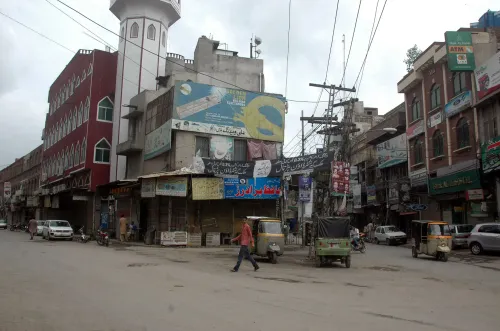
The report emphasizes that the diminishing purchasing power of the Pakistani rupee is evident in the luxuries households can no longer afford.
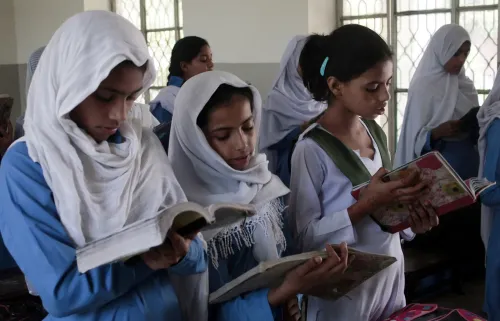
“Spending on education has plummeted to just 2.5%, which is now less than half the expenses on housing and utilities. Together, health and recreation expenditures barely register a few percentage points. A society that scales back on education and health is trading its future for temporary stability,” it stated.
This situation is characterized as not resilience, but rather, a fragility masked as coping.
The report outlines necessary actions: “First, making the stabilization of food and energy costs a top economic priority is essential. Second, we must go beyond interest rate adjustments for inflation control; addressing supply-side failures in food markets is imperative. Lastly, education and health funding should be shielded from economic shocks. Household finances are under severe threat.”
“If policies continue to view survival as an acceptable status quo, the long-term repercussions will overshadow current fiscal discomfort,” it added.
A recent report from the Japan-based Nikkei Asia pointed out that Pakistan is facing numerous economic hurdles in 2026, with persistent low growth rates, ongoing militant threats, and potential climate change-related disasters.
“Pakistan must accelerate internal reforms, particularly addressing the dire conditions faced by the majority of its population. Over 40% of the approximately 257 million citizens live in extreme poverty. Additionally, the nation grapples with a staggering illiteracy rate, with nearly 40% of the population deemed illiterate,” the report underscored.
Point of View
It is vital to acknowledge that Pakistan's current economic situation reflects a troubling trend towards survival rather than growth. The ramifications of high inflation and rising living costs are felt by families across the nation. Moving forward, it's crucial for policymakers to prioritize stability and invest in essential services, ensuring that the well-being of citizens is not compromised.
NationPress
16 Oct 2026
Frequently Asked Questions
What is the current economic situation in Pakistan?
Pakistan's economy is transitioning from growth to survival, with households spending nearly two-thirds of their income on essentials.
What are the main factors contributing to this economic crisis?
Prolonged inflation and policy decisions have driven up the costs of essential goods, outpacing income growth.
How is the purchasing power of the Pakistani rupee affecting households?
The decreasing purchasing power is evident as families struggle to afford basic necessities, leading to reduced spending on education and health.
What actions are recommended to address these issues?
Stabilizing food and energy costs, addressing supply-side failures, and protecting education and health funding are critical steps.
What is the long-term outlook for Pakistan's economy?
If survival remains the accepted status quo, the long-term costs could far exceed current economic discomfort, necessitating urgent reforms.