Pakistan's Poverty Crisis: The Burden of Government Policy Errors
Synopsis
A recent report reveals that Pakistan's soaring tariffs are not just electricity costs but a recovery mechanism for past policy blunders, impacting millions. Explore how these structural issues are deepening poverty across the nation.
Key Takeaways
Poverty in Pakistan is structural, not cyclical.
Electricity tariffs have quadrupled since 2018.
Government policies significantly influence food and education choices.
Rising costs are pushing millions into poverty.
Past policy errors are being recovered through current tariffs.
Islamabad, April 7 (NationPress) The issue of poverty in Pakistan is deeply rooted in structural factors rather than being merely cyclical. A recent report indicates that the tariffs shouldered by citizens today are not reflective of the actual cost of electricity but rather a means of recovering from past multi-billion dollar policy missteps.
As per the Ministry of Planning, Development and Special Initiatives, approximately 50 million individuals were living below the poverty line in 2018. This figure surged to about 70 million by 2024.
"Back in 2018, the average electricity tariff was around Rs 11 per unit. Currently, households face charges of about Rs 50 per unit. This isn't just an adjustment; it's a structural shock. When electricity costs quadruple – food prices escalate, real wages decline, manufacturing slows down, and small businesses close. That is how a tariff can lead to structural poverty," reported the 'Pakistan Observer.'
In Pakistan, the rising power tariff has triggered five major outcomes: it has redefined survival, transformed utility into a burden, turned light into a monthly negotiation with hunger, dictated food choices, and shifted the financial burden from balance sheets to dinner tables.
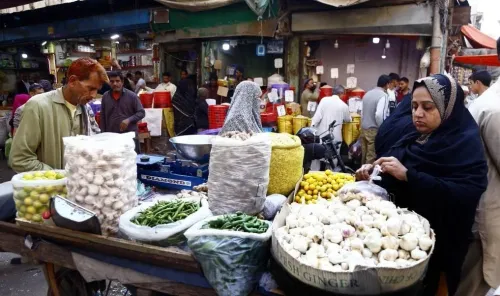
The government's policies dictate what people consume. When electricity bills rise from PKR 6000 to PKR 22,000, protein becomes the variable adjusted. Households opt for lentils instead of chicken, dilute milk, and reduce fruit intake, as electricity costs remain fixed while nutritional choices can be altered.
The report also mentions that government policy influences what is postponed; school fees are delayed, medical appointments are pushed back, and broken fans remain unrepaired. Furthermore, it decides what is abandoned altogether. A child might stop attending school after receiving reminders about fees. The education is sacrificed for income, and the same child who once pursued education now works in a workshop or at a tea stall. Childhood becomes a casualty when fixed costs escalate faster than incomes.
"Food must adjust. Education must adjust. Health must adjust. This is how tariffs lead to structural poverty. In 1995, Roush (Pakistan) Power Limited (RPPL) entered a Power Purchase Agreement with WAPDA, costing $560 million. Currently, the generation cost is Rs745.05 per kWh," noted the report in the Pakistan Observer.
"In 2017, the China Power Hub Coal Power Project was established at a cost of $1.995 billion, with a generation cost of Rs 349.92 per kWh and annual capacity charges of Rs142 billion. The capacity payment for Port Qasim is Rs 122 billion, with the plant operating at just 18 percent capacity," the report added.
These initiatives stem from government policy. Increased capacity payments result in higher electricity prices, which subsequently raise production costs, leading to more expensive food, transport, and overall living expenses, according to the report.
"The tariffs that citizens pay today are not reflective of electricity costs; they are the recovery of past multi-billion dollar policy blunders. This is how middle-class households in Pakistan have fallen into poverty as a direct result of government policy," the report elaborated.
Point of View
Pushing millions below the poverty line. This analysis aims to foster a national dialogue on reforming these policies for a sustainable future.
NationPress
16 Oct 2026
Frequently Asked Questions
What is the current poverty rate in Pakistan?
As of 2024, approximately 70 million Pakistanis are living below the poverty line.
How much has the electricity tariff increased?
The average electricity tariff rose from around Rs 11 per unit in 2018 to approximately Rs 50 per unit today.
What are the consequences of high electricity tariffs?
High tariffs have led to increased food prices, reduced real wages, and the closure of small businesses.
How does government policy affect food choices?
As electricity costs rise, households often adjust by consuming cheaper sources of protein, like lentils, instead of meat.
Why are children dropping out of school?
Financial pressures from rising costs lead families to prioritize income over education, resulting in children leaving school.