Pakistan's Electricity Tariff Increased Following Fuel Price Surge
Synopsis
In a surprising move, NEPRA has announced a significant rise in Pakistan's electricity tariffs, citing increased fuel costs. This decision adds to the financial strain on consumers amidst ongoing global energy uncertainties.
Key Takeaways
Electricity tariff increased by Rs 1.42 Approx.
Rs 10.57 billion additional burden on consumers Sector's challenges predate global fuel price fluctuations Significant losses in power distribution sector Austerity measures introduced amidst Middle East conflict
New Delhi, April 12 (NationPress) The National Electric Power Regulatory Authority (NEPRA) of Pakistan has stunned consumers by announcing an electricity tariff hike of Rs 1.42 per unit as part of the monthly fuel cost adjustment, attributing this change to fluctuations in fuel prices for February 2026.
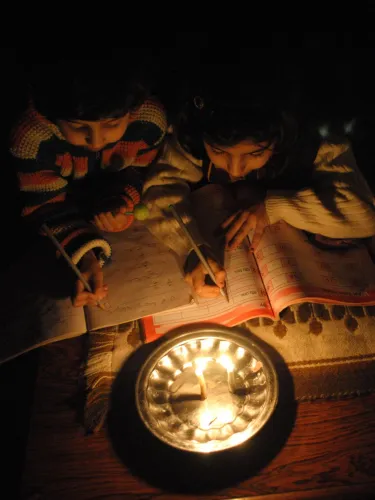
This increase will be reflected in the April bills, with reports indicating that the total additional financial burden on consumers amounts to approximately Rs 10.57 billion, as highlighted in an editorial by The News International.
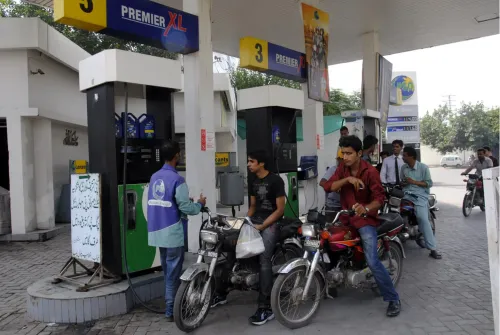
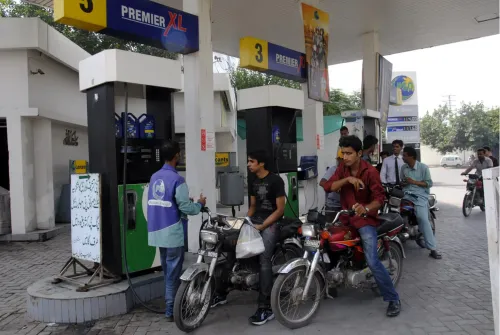
In response to the ongoing Middle East conflict, the government has introduced austerity measures aimed at promoting fuel conservation and helping citizens save money. Yet, in Pakistan, residents find it challenging to escape escalating prices and tariff increases, whether at the gas station or in their homes.
Currently, the global energy landscape remains uncertain. Consequently, it is likely that Pakistanis will face higher prices for both fuel and electricity throughout this month, raising concerns among consumers.
The implications for the country's struggling industrial sector are also significant. A representative from the Federation of Pakistan Chambers of Commerce and Industry (FPCCI) has pointed out that the industrial sector has already incurred an overwhelming burden of Rs 564.7 billion over the last three years, warning that any further increases could jeopardize sustainability and viability.
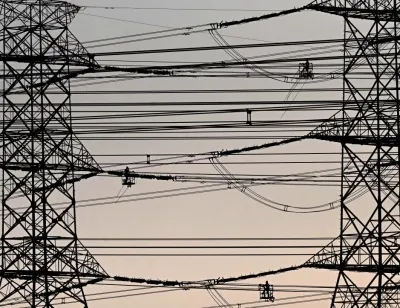
However, the issues plaguing Pakistan's power sector predate the recent Middle East unrest. In the fiscal year 2024-25, the power distribution sector suffered a staggering loss of Rs 397 billion due to inefficiencies in transmission and distribution, as well as poor bill recoveries. Such matters should be under the control of authorities, particularly the excessive fixed payments to power producers irrespective of their output and the underutilization of power plants.
Point of View
It is essential to view this development through a lens that prioritizes the nation's welfare. While the tariff hike is a reaction to fluctuating fuel prices, the long-standing inefficiencies in the power sector must also be addressed to ensure sustainable energy solutions for the future.
NationPress
29 Sept 2026
Frequently Asked Questions
What is the reason for the electricity tariff increase in Pakistan?
The increase of Rs 1.42 per unit is due to changes in fuel costs as part of the monthly fuel cost adjustment.
How much will consumers be affected financially by this tariff hike?
The overall additional burden on consumers is approximately Rs 10.57 billion.
What are the implications for Pakistan's industrial sector?
Further increases in tariffs could jeopardize the sustainability and viability of the industrial sector, which has already faced significant financial burdens.