Is Pakistan’s Power Sector in Crisis? Regulatory Report Reveals Major Issues
Synopsis
A recent report from Pakistan's National Electric Power Regulatory Authority paints a dire picture of the country's power sector, highlighting significant governance failures, rising circular debt, and the adverse effects on industry and consumers. This alarming situation raises questions about the future of energy management in Pakistan.
Key Takeaways
Poor governance in the power sector is leading to significant losses.
Transmission and distribution losses exceed acceptable limits .
High utility tariffs are a result of cross-subsidies .
Circular debt is on the rise, impacting the economy.
Regulatory bodies must be empowered to protect consumer interests .
New Delhi, Jan 23 (NationPress) The National Electric Power Regulatory Authority (Nepra) of Pakistan has published a scathing report regarding the performance of the nation’s power sector.
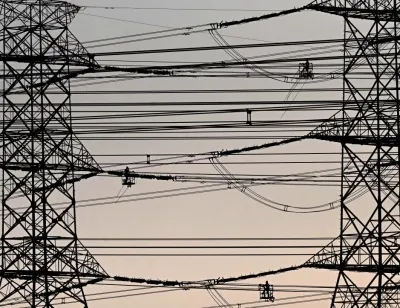
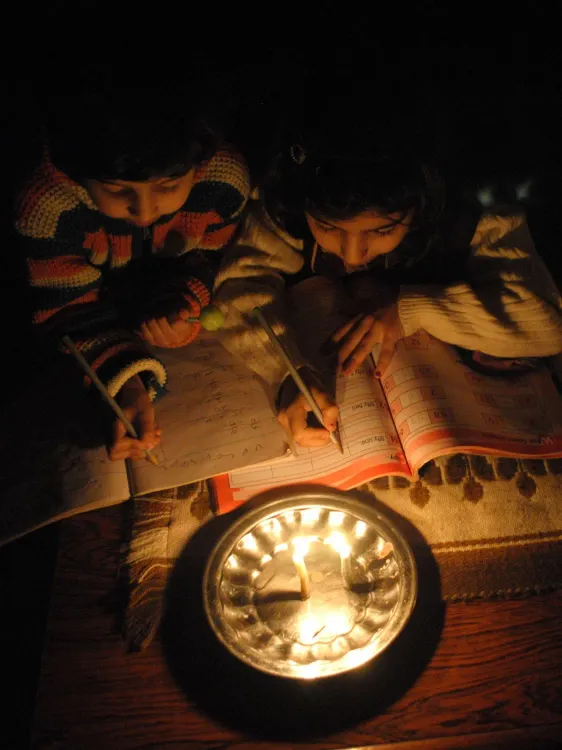
Nepra highlighted that distribution companies are plagued by inadequate governance, with transmission and distribution losses surpassing acceptable thresholds, poor bill recovery rates, and load-shedding driven by Aggregate Technical and Commercial losses.
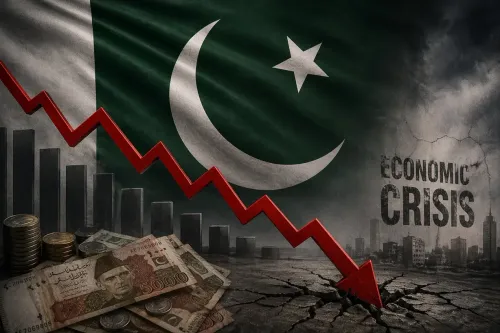
The report pointed to the Debt Service Surcharge resulting from poor governance in the power sub-sectors, which contributes to elevated utility tariffs. Industries are lamenting that cross-subsidies have inflated energy costs, making them higher than the regional average, which has negatively impacted exports. Furthermore, circular debt has escalated.
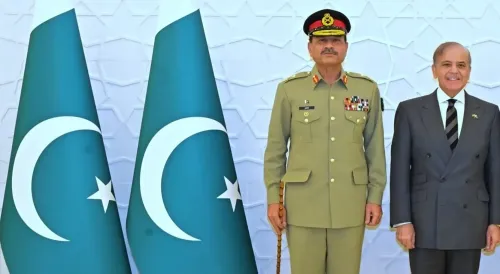
“This report undermines Prime Minister Shehbaz Sharif’s consistent praise for the power sector team, leading Federal Minister for Power Awais Leghari to publicly dismiss the report, claiming it is based on incomplete and misleading data, causing widespread misconceptions,” the Karachi-based Business Recorder reported.
The government, according to Sharif, is pursuing a six-year initiative aimed at entirely eradicating circular debt, which involves scrapping 8,000MW expensive projects that would have saved the country $17 billion (a saving that is not realized because these projects never commenced), and disputing the assertion that load-shedding is based on commercial losses.
Reports indicate that the government has secured loans totaling 1.25 trillion rupees from the commercial banking sector at rates lower than the funds held by the Holding Company, in light of the discount rate reduction from 22 percent in 2022 to 10.5 percent today.
While borrowing at lower rates to pay off prior loans incurred at higher rates is beneficial, the report emphasizes that such borrowing, which reflects poor performance and will ultimately burden consumers, is unlikely to reassure the general populace.
The Power Minister expressed concern that Nepra disregarded data submitted by his Ministry—a troubling assertion given that regulatory authorities like Nepra and the Oil and Gas Regulatory Authority (Ogra) exist to protect consumers rather than align their data with governmental releases. Furthermore, these regulatory bodies are essential for safeguarding public welfare and ensuring quality services while preventing fraud and anti-competitive practices.
Regulatory authorities play a vital role by protecting public welfare through consumer advocacy, ensuring the quality of products/services, fostering fair competition, preventing fraud and anti-competitive practices, and creating clear industry frameworks that contribute to trust, market efficiency, innovation, and economic stability.
From a consumer perspective, it is alarming that the government has reportedly finalized amendments to the Nepra Act 1997, which aim to subordinate Nepra to the Power Division—a claim the government has yet to deny.
Moreover, regulatory bodies such as Nepra fulfill critical functions and must be empowered to continue safeguarding consumer interests. The current government's attempts to suppress multiple entities tasked with public service through legislation must be reversed to promote a more transparent and participatory function, laying the groundwork for a system capable of evolving beyond the need for borrowing.
Point of View
We stand firmly with the public interest, advocating for transparency and accountability in the power sector. Our commitment to enlightening readers about the challenges facing the energy landscape in Pakistan remains unwavering.
NationPress
20 Sept 2026
Frequently Asked Questions
What is the main finding of the Nepra report?
The main finding is that Pakistan's power sector is suffering from poor governance, high transmission losses, and increasing circular debt.
How does the report affect consumers?
The report suggests that consumers will face higher utility costs and increased load-shedding due to the poor management of the power sector.