Has Pakistan's Power Sector Fallen Into a Crisis?
Synopsis
Pakistan's power sector is in dire straits, leaving consumers burdened with high bills and constant outages. Mismanagement and corruption plague the system, hindering effective reforms. What does this mean for the future of electricity in Pakistan?
Key Takeaways
Pakistan's power sector is facing a significant crisis.
Consumers are burdened with high electricity bills.
Frequent outages exacerbate the situation.
Mismanagement and corruption are key factors.
Urgent reforms are needed for recovery.
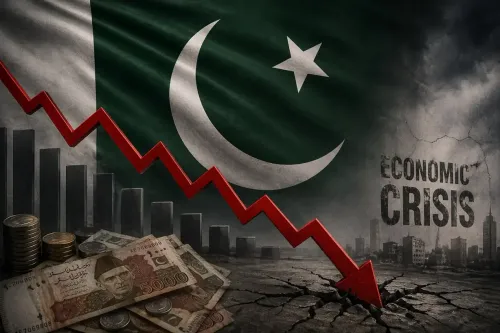
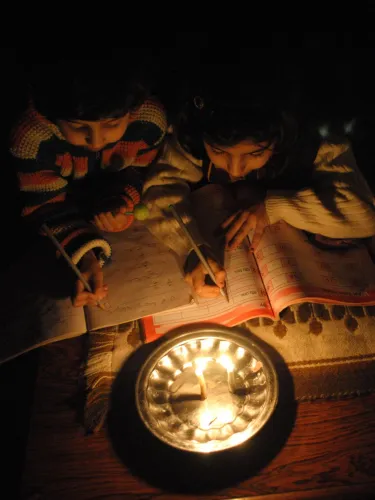
New Delhi, Jan 19 (NationPress) Pakistan’s electricity sector has descended into a significant crisis, with consumers facing exorbitant electricity bills while enduring frequent outages, as reported.
The turmoil is attributed to mismanagement, corruption, underinvestment, and erratic policy, according to media reports originating from Pakistan.
The credibility of the power sector is at a historic low, as numerous policy revisions have failed to remedy the situation. It is no wonder that any financial benefits gained from private power producers through coercive measures and renegotiations have been rapidly consumed by entrenched inefficiencies elsewhere in the system, as noted in an article from Dawn.
Despite numerous policy measures, including the unbundling and corporatization of state-owned enterprises (SOEs) and private investments in power generation, the sector continues to grapple with challenges that hinder its efficiency and diminish its contribution to national economic growth, rather than offering relief to consumers across various demographics.
Electricity remains unaffordable, supply is inconsistent, and a significant portion of generation capacity remains unused, forcing consumers to cover losses resulting from systemic failures. The scale of these challenges and their repercussions for consumers is highlighted by the fact that distribution companies have added about Rs 400 billion (Pakistan's currency) to the circular debt, while consumers paid around Rs 235 billion in debt servicing surcharges during the last fiscal year, as the sector's inefficiencies have been allowed to persist and propagate throughout the supply chain—from generation to transmission to distribution, the article laments.
Regulatory authority has been progressively weakened due to administrative meddling and prolonged legal disputes, making enforcement actions sluggish, reversible, and largely symbolic. The article emphasizes that the power sector, plagued by weak governance and a lack of accountability, cannot be rectified merely through pricing adjustments and contract modifications.
The sector is not devoid of actionable reform plans. What is urgently needed is political will to implement these plans, enhance governance and accountability, resolve policy uncertainty, and fortify the regulatory framework, the article concludes.
Point of View
We recognize the dire circumstances facing Pakistan's power sector. The ongoing crisis, driven by mismanagement and lack of accountability, demands urgent reform and decisive action to safeguard the interests of consumers. We stand firm that effective governance and transparency are critical for the sector's revival.
NationPress
1 Oct 2026
Frequently Asked Questions
Why is Pakistan's power sector in crisis?
The crisis is primarily due to misgovernance, corruption, underinvestment, and erratic policies that have led to inefficiencies in the system.
What are the financial implications for consumers?
Consumers are facing high electricity bills while also bearing the costs of systemic failures, contributing to the circular debt.
What reforms are needed in the power sector?
The sector needs a strong political will to execute actionable reform plans, improve governance, and enhance accountability.
How has regulatory power been affected?
Regulatory authority has been undermined by administrative interference, making enforcement actions slow and largely ineffective.
What is the future outlook for Pakistan's electricity supply?
Without significant reforms and improvements in governance and policy stability, the outlook remains grim for electricity supply in Pakistan.